-

How Do Mice Reproduce? An Analysis of the Reproduction Process and Patterns
Mice are not an animal that people welcome; to wear down their teeth, mice often gnaw on doors, wardrobes and the like. In the fields, mice frequently steal grain, dig up farmland and destroy trees, causing harm to the development of both forestry and agriculture. Yet it is said that mice are the
-
A detailed explanation of the patterns of African swine fever onset, explained in one article
African swine fever is a fatal pain point for many farmers, with no way to save the animals, and by the time it is discovered it is already too late. So do you know the patterns of African swine fever onset? Let's take a look together! 1. Patterns of African swine fever onset According to relevant data, Af
-
A Detailed Explanation of Elephants' Habits, Characteristics and Patterns of Life
Elephants inhabit a variety of habitats, and are especially fond of jungles, grasslands and river valley areas. They are led by female elephants and like to live in groups, while males occasionally live alone. They feed on plants and have an enormous appetite; a single adult elephant eats around 300 kg per day. Their average lifespan is around 80 years.
-
What are the habits of snakes? A full analysis of their daily patterns and characteristics
Snakes are cold-blooded animals and are relatively sensitive to the temperature of their surroundings. An outside temperature of 20-30°C is suitable for snake growth; when the temperature is around 25-32°C, they come out of their dens and are fairly active; when the temperature drops to 20-13°C, snakes instinctively seek out warm places;
-
What are the habits of spiders? A comprehensive look at the life patterns of spiders
Spiders mostly live under the eaves or among grasses and trees. They often spin webs facing places that let in light and air, because such places have more insects passing through, allowing them to catch more insects as food. What food do spiders like to eat? Spiders mostly feed on insects, other spiders
-
What are the occurrence patterns and control measures of the tea tussock moth?
The tea tussock moth is an important pest in China's tea-growing regions, an insect of the genus Euproctis in the family Erebidae of the order Lepidoptera, also known as the tea yellow tussock moth, head-swinging worm, etc. It is distributed in all tea-producing provinces of China, mainly damaging tea leaves, and can also damage tea-oil camellia, citrus, etc. When outbreaks are severe, tea plant
-
What are the growth and development patterns of finishing pigs
On the basis of understanding the physiological characteristics of finishing pigs, it is very important to grasp the growth and deposition changes of body tissues during the growth and development of finishing pigs. On the one hand, the corresponding
-
Detailed Explanation of the Growth and Development Patterns of Growing-Finishing Pigs
On the basis of understanding the physiological characteristics of finishing pigs, it is very important to grasp the changes in growth and deposition of body tissues during the growth and development of finishing pigs. On the one hand, the corresponding
-
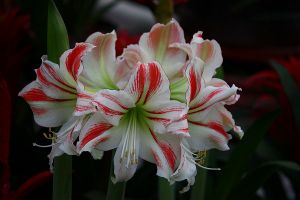
How Many Times a Year Does Amaryllis Bloom? A Detailed Guide to Its Blooming Patterns
When you see this name, do you naturally assume its flowers are red? But we shouldn't be fooled by its name. Not all of its varieties are red; some are white too. It is said that the earliest white variety was bred in the United States in the early twentieth century. In addition, Japan and the Netherlands are also breeding new varieties. Its flowers are of course the part we mainly admire, so how many times a year does it bloom?
-
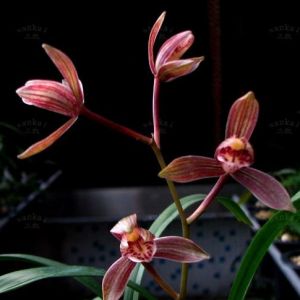
How many times a year does Cymbidium ensifolium sprout? A detailed explanation of orchid sprouting patterns
Produced in Sichuan, medium-short leaf material, leaf posture semi-arching, water-ripple pattern on the leaf surface fairly obvious, large-flowered narcissus-type petal 4CM-4.5CM, color purplish-red leaning to black, the pouch and tongue remain unchanged in shape until withering. Because this flower came from very weak seedlings, the sprouting rate was not high, and it only regained vigor last year; the current quantity is around twenty growths.
条件筛选