-

Occurrence Patterns and Control Methods of the Rice Water Weevil
The rice water weevil is an internationally recognized agricultural plant quarantine pest. It first occurred in the Americas, and the countries in Asia where it occurs include Japan, South Korea, North Korea, and others. The place where the rice water weevil was first discovered in China was Tanghai County, Hebei Province, in 1987. The area where the rice water weevil was first discovered in our province was Ji'an City in the Tonghua region in August 1993. At present, this pest occurs to varying degrees in most areas of Heilongjiang Province. I. Degree of damage caused by the rice water weevil. The rice water weevil mainly damages rice, and also damages some
-
A Detailed Explanation of the Occurrence Patterns and Control Methods of the Ginger Stem Borer
The ginger stem borer (also known as the corn borer, belonging to Lepidoptera, Pyralidae) is a major pest harming ginger. It has a very mixed diet; when causing damage, the larvae bite and feed on the tender stems, then bore into the stem (with frass and insect droppings accumulating at the entry hole), blocking the transport of water and nutrients, causing the stems and leaves above the bore hole to turn yellow and wilt, and they break very easily under external force. 1. Occurrence patterns. The ginger stem borer generally occurs 3-4 generations per year in our area, and the concentrated damage period coincides exactly with the vigorous growth period of the ginger plants. The larvae move from plant to plant causing damage, and finally the mature larvae
-
Occurrence Patterns and Control Methods of the Ginger Stem Borer
The ginger stem borer (also known as the corn borer, belonging to Lepidoptera, Pyralidae) is a major pest harming ginger. It has a very diverse diet; when causing damage, the larvae bite and feed on tender stems, then bore into the stalks (with frass and insect droppings accumulating at the entry holes), blocking the transport of water and nutrients, causing the stems and leaves above the bore holes to turn yellow, wither, and droop, and making them extremely easy to break under external force. 1. Occurrence patterns. In our area, the ginger stem borer generally produces 3-4 generations per year, and the concentrated damage period coincides exactly with the vigorous growth period of ginger plants. The larvae move between plants to cause damage, and finally the mature
-
Occurrence Patterns and Control Methods of the Rice Water Fly in the Aksu Region
The rice water fly (Ephydra macellaria Egger) belongs to the order Diptera, family Ephydridae. It occurs extremely severely in newly reclaimed salinized rice areas and is one of the major pests in rice production in the Aksu region. The insect gnaws on primary and secondary roots, causing poor development of rice seedlings or floating seedling death. Surveys of rice in the Aksu region from 2002 to 2003 found that yield losses in lightly infested fields reached 5.8%-8.1%, and in heavily infested fields reached 40.5%-56.1%, seriously affecting
-
A Detailed Explanation of the Occurrence Patterns and Control Methods of the Ginger Borer
The ginger borer (also known as the corn borer, belonging to the Lepidoptera order and the Pyralidae family) is a major pest harming ginger. It has a very diverse diet; when causing damage, its larvae bite and feed on tender stems, then bore into the stalk (with frass and insect droppings accumulating at the entry hole), obstructing the transport of water and nutrients, causing the stems and leaves above the bore hole to turn yellow and wilt, and to break very easily under external force. 1. Occurrence patterns. The ginger borer generally produces 3-4 generations per year in our area, and its concentrated damage period coincides exactly with the vigorous growth period of ginger plants. Larvae move between plants to cause damage
-
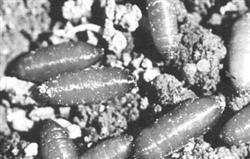
A Detailed Explanation of the Occurrence Patterns and Control Methods of Garlic Root Maggots
Root maggots is the collective term for the larval stage of Diptera pests that damage garlic and other crops. In recent years, the occurrence of garlic root maggots has shown a trend of increasing year by year. Root maggot damage can cause garlic yield reduction and has a major impact on garlic quality, with severe damage leading to serious economic losses. Garlic root maggots (larvae) generally gather on garlic roots and...
-

How to fertilize napa cabbage? Master the fertilization patterns and methods
Fertilization patterns and methods for napa cabbage
-
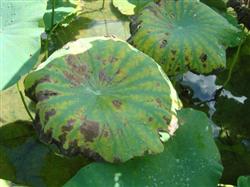
Occurrence Patterns and Control Methods of Lotus Root Brown Spot Disease
Brown spot disease is a major disease of lotus root, widely distributed, and can occur in spring, summer, and autumn. Generally, diseased plants account for 30%-50%, and in severe cases, the incidence rate can reach over 80%, significantly affecting lotus root yield and quality. 1. Symptoms This disease mainly affects the leaves and leaf stalks of lotus root. In the early stage of leaf infection, small brownish-green...
-
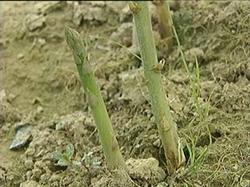
Occurrence Patterns and Control Methods of Asparagus Stem Rot
I. Symptom Characteristics Asparagus stem rot mainly affects young spears. Young spears may be infected as soon as they emerge from the soil. Water-soaked, irregular lesions appear on the young stems, expand around the stem, causing the stem tissue to disintegrate and rot, ultimately leading to the death of the young spears. Even if mildly affected plants do not die, their vigor is greatly reduced, the above-ground stems and leaves are weakened, the young stems are thin and weak, and the yield...
-
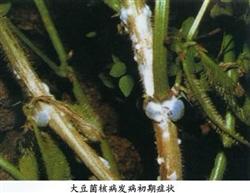
Occurrence Patterns and Control Methods of Soybean Sclerotinia Stem Rot
Soybean Sclerotinia stem rot is a common disease on soybean crops, mainly causing stalk rot, with pale white lesions, hollow stems containing black sclerotia, and easy breakage. In the past two years, soybean Sclerotinia stem rot has shown a trend of increasing severity year by year. Causes and characteristics: 1. Large number of sclerotia in the field. The pathogen of soybean Sclerotinia stem rot is a fungus...
条件筛选