-
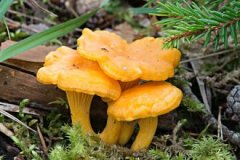
Are chanterelles poisonous? Toxicity level and price per jin explained
What kind of mushroom is the chanterelle? Some people say it is poisonous, so is it actually poisonous or not? It does have a certain level of toxicity, but at the same time it is also an edible mushroom, and people with itchy skin should avoid it. In the wild mushroom trading market, chanterelles currently cost 100 yuan per kilogram
-
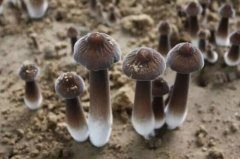
A Detailed Guide to Black-Skin Chicken-Foot Mushroom Cultivation Techniques, Price per Jin, and Investment per Mu
Large-scale artificial cultivation of the black-skin chicken-foot mushroom has low production costs, a short cycle, and high yields, and can meet people's market demand for the black-skin chicken-foot mushroom. So how do you grow the black-skin chicken-foot mushroom? The price of the black-skin chicken-foot mushroom is 35 yuan per jin, and prices vary somewhat from region to region.
-
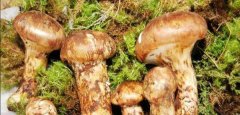
Can matsutake be cultivated artificially? Differences from wild ones and how much per jin
Can matsutake be cultivated artificially? Yes, it can, but artificially cultivated matsutake is very different from wild matsutake, so let's take a look at their differences below. Also, the prices of fresh and dried matsutake. Differences between artificial matsutake and wild matsutake: the color is different; wild matsutake
-
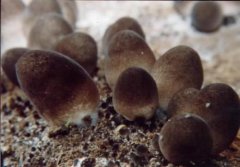
Straw Mushroom Spawn: The Difference Between Straw Mushrooms and Shiitake Mushrooms, How Much Do Straw Mushrooms Cost Per Jin, and Do Straw Mushrooms Need Blanching?
Do you know what straw mushrooms look like? What difference is there between them and shiitake mushrooms? How much do straw mushrooms cost per jin, and when cooking them, do they need to be blanched in advance? Straw mushrooms and shiitake mushrooms grow in different environments, which is the biggest difference between the two. Wild straw mushrooms mostly grow on
-
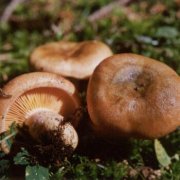
Chongyang mushroom planting methods, price per jin, and detailed explanation of its benefits and nutritional value
Chongyang mushroom is a fungus that currently cannot be cultivated artificially and is a purely natural fungus species. It is very particular about its growing environment, so artificial cultivation is very difficult to achieve, and it may be impossible to grow, which would result in significant losses. How much is Chongyang mushroom per jin? This depends on
-
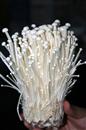
How should enoki mushrooms be cultivated to harvest mushrooms in one go?
How do you harvest enoki mushrooms in one go? Here is an introduction to the one-time harvest cultivation method, with a biological conversion rate as high as 192.60%, a cultivation cycle about 40 days shorter than traditional cultivation, an increase in economic benefit of 78%, and more mushroom stems and taller stalks, greatly improving commercial quality. The key technical points are: 1. According to...
-
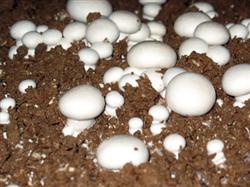
Detailed Explanation of the New Technology for Two Crops of Button Mushrooms in One Year
1. Mushroom shed treatment. In the past, most mushroom sheds used were simple greenhouses with a single-slope design, or simple semi-underground sheds. During low-temperature seasons, it was difficult to use sunlight to raise the temperature, so after cultivation entered November, the shed temperature dropped along with the air temperature. When the lowest shed temperature reached 8°C, mushrooms stopped fruiting, and it was only after the air temperature rose again in March of the following year...
-

How to Make Braised Bailing Mushrooms in Abalone Sauce and Cooking Tips
Ingredients: Authentic canned "Lingzhi Brand" Bailing mushrooms. Also prepare an appropriate amount of fresh broccoli for lining the plate. Seasonings: an appropriate amount of abalone sauce, Baowei'er beef juice, dark soy sauce, light soy sauce, salt, and German-made golden yellow powder (a food coloring brand). Other: Beat the egg whites with an egg beater into an egg batter, and evenly sprinkle an appropriate amount of salted egg yolk on top for decoration. Method: 1. After removing the Bailing mushrooms, take superior stock, add an appropriate amount of salt, and simmer the Bailing mushrooms over low heat until fully flavored, then set aside.
-
Detailed explanation of year-round production technology for multiple mushroom species in one greenhouse
In 2001, our county began large-scale promotion of white beech mushroom (Pleurotus nebrodensis) production technology throughout the county. The white beech mushroom belongs to the medium-low temperature type of edible fungi, fruiting within the range of 5-20°C. Before fruiting, the white beech mushroom must undergo a low-temperature stimulation process, which determines that the fruiting period in our county is from late November to late March of the following year, causing the mushroom greenhouse to sit idle from April to November around summer, and the biological conversion rate of the white beech mushroom is also relatively low. Starting from 2002, our county began trial
-
Three key steps must be done well during the dehydration of shiitake mushrooms
Timely harvesting is the foundation for the bright color of the finished mushrooms. One of the main reasons shiitake mushrooms change color during drying is that the mushroom bodies are injured before drying. To overcome this shortcoming and enhance the resistance of the mushroom bodies to external pressure, timely harvesting is very important. When the veil has fully split and the cap has curled upward like a copper gong, they should be harvested. Do not spray water within 2 hours before harvesting. Use the "twist-harvest method" to pick them. After harvesting, handle them gently, remove debris and stems, and immediately send them to the nearest dehydration room for dehydration. Generally, from harvest to entering the drying stove, the distance should preferably not exceed 5
条件筛选