-

"Wood ear fungus: what trees does it grow on? Is it a "feng-wu" (trigger food)? How long can it be soaked before it becomes toxic? What symptoms appear after eating it?
Wood ear has a delicious taste, can be prepared as a vegetarian or meat dish, and is rich in nutrients. Wood ear is sweet in flavor and neutral in nature, and has many medicinal benefits. So, what trees does wood ear grow on? Is it a "feng-wu" (trigger food)? How long can it be soaked before it becomes toxic? What symptoms appear after eating it? 1. What trees does wood ear grow on?
-
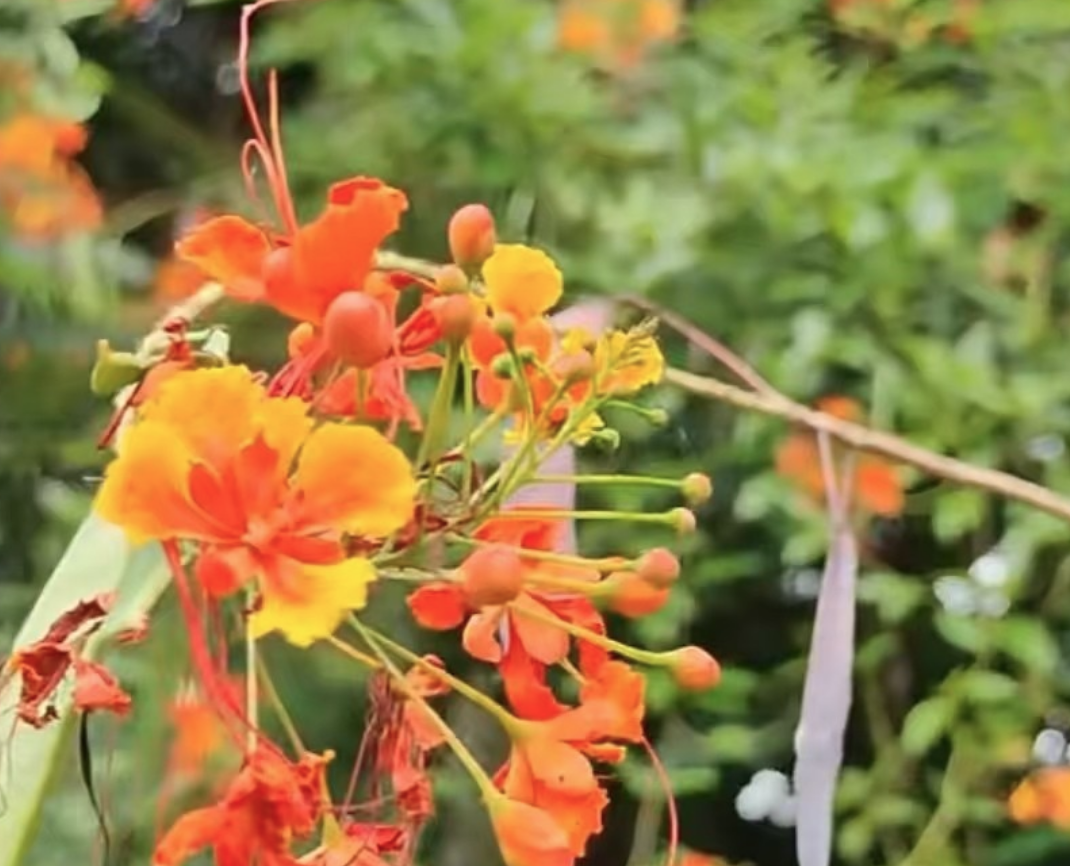
How toxic is Caesalpinia pulcherrima?
Today, I'd like to introduce to you a beautiful flower that combines beauty and danger, and it is "Caesalpinia pulcherrima". Before the 17th century, an artist
-

How Toxic Is the Peacock Flower? Cultivation Methods and Precautions Explained in Detail
Today we introduce a beautiful flower where beauty and danger coexist: the "peacock flower" (Caesalpinia pulcherrima). Before the 17th century, an artist recorded the danger of the peacock flower; at that time, African slaves and Indigenous peoples who wanted to abort would eat its seeds to end their pregnancies. However, although the seeds of the peacock flower are
-

This is how to grow oleander so it thrives, and the toxicity explained clearly in one go
Today I recommend introducing a plant whose entire plant is toxic, but which is very beautiful once it blooms: oleander. Generally speaking, it mostly appears in courtyards, beside greenways, and as a pollution-resistant plant in mining areas. In color it resembles peach blossoms, with red, pink, white, yellow and so on. Although the whole oleander plant is toxic, because
-

How toxic is heavenly bamboo (Nandina domestica), and why do its leaves not turn red
Heavenly bamboo (Nandina domestica) is an evergreen shrub whose leaves change from green to red under the different climates of the four seasons, and it is loved for this unique charm. However, some friends say that the heavenly bamboo they bought does not turn red in autumn and winter - why? In fact, the color change of heavenly bamboo leaves is caused by many factors, and it may be
-
How to Grow Cuban Oregano: Care Tips and Precautions, Is It Toxic, and Dealing with Yellow Leaves
Cuban oregano is also known as yimo xiang, chuliu xiang (Chu Liuxiang), and velvet-scented herb, among other names. It is a fairly common green plant in household potted collections, and its unique fragrance makes many flower lovers adore it. So what are the growing methods and precautions for Cuban oregano? Is it toxic? Yellow leaves
-
How to Grow Calla Lily (Zantedeschia, Araceae): Toxicity, Reasons for Not Blooming, and Precautions
The calla lily is also known as arrowleaf elephant ear flower, water taro, wild taro, arrowhead flower, calla lily, and flower taro. It is native to southern Africa and is a perennial bulbous flower of the Araceae family. So what are the cultivation methods and precautions for calla lily? The calla lily is native to southern Africa and belongs to the Araceae
-
How to Completely Eradicate Millipedes (Thousand-Leggers)? Diet, Toxicity and Natural Enemies Explained
Millipedes, also called thousand-leggers, hundred-leggers, or "scale-pole bugs," like to move about in groups and generally live in dark, damp places, such as piles of dead branches and fallen leaves or under rubble and stones. They feed exclusively on fallen leaves and humus, though a few species eat the young buds and tender roots of plants, making them agricultural pests.
-
How much does an axolotl cost? A detailed guide to its toxicity, protected status and how to keep it
The axolotl is also called the Mexican salamander or the six-horned dinosaur. It is very long-lived, generally around 15 years, and feeds mainly on molluscs, worms, insect larvae, crustaceans and certain fish. So how much does an axolotl cost? Is it poisonous? Is it a protected
-
How to Completely Eliminate Millipedes (Julus Species)? Treatment for Bites and Answers on Their Toxicity to Humans
The millipede, also known as the Beijing millipede, hundred-legged worm, thousand-legged worm, comb worm, hundred-jointed worm, stuffy-stick worm, hollow-tube worm, has a long and slightly flattened body, about 35 mm long, dark brown, with the sides of the back and walking legs reddish-yellow. It is a type of millipede, inhabiting moist farmland or stone piles
条件筛选