-

The First Bonsai, Ornamental Stone and Root Art Masterpieces Expo Held in Yantai, Shandong
Today, the First Bonsai, Ornamental Stone and Root Art Masterpieces Expo of Yantai, Shandong opened at the Yellow Sea Amusement City, which is open to citizens free of charge. This grand event is jointly hosted by the Yantai Municipal Government and the Shandong Provincial Flower, Bonsai and Ornamental Stone Artists Association.
-
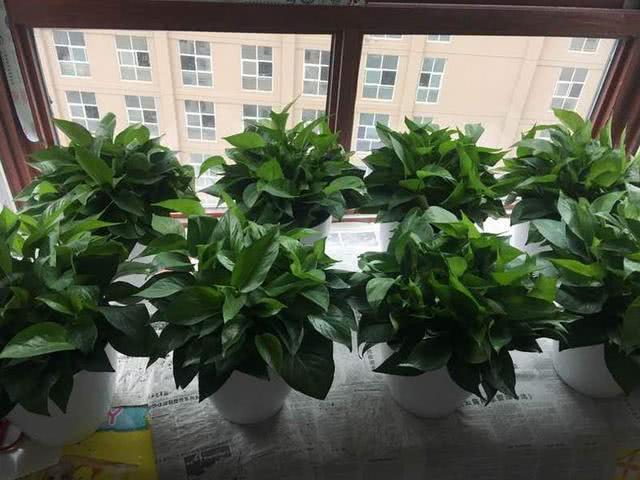
Master these five tips for growing pothos at home, and its leaves will grow big and wildly, covering the whole wall
With playful single leaves and a whole plant in vivid green, plus the special ability to purify the air, when it comes to pothos, we always think of many positive adjectives. Indeed, as one of the most popular houseplants, pothos has long found its way into thousands of homes...
-
How to grow potted orchids? Master three key cultivation and management points
I. The three elements of a good substrate The so-called three elements are potting soil, water and fertilizer. (1) Potting soil. Orchids are perennial-root plants and require soil rich in humus, fertile and loose, with a pH of 5.5 to 6.5. For potting soil, use leaf mold, yellow clay, sawdust, pig and cow manure and a certain amount of compound chemical fertilizer, composted
-
How to grow potted orchids? Master their growth habits and key cultivation and care points
1 The history of orchids. Orchids have a long history of cultivation in our country, with a history of several thousand years. They are cultivated everywhere in our country, especially flourishing in the southwest and Taiwan, China. They enjoy the reputation of "the finest fragrance under heaven" and "fragrant beauty." Orchid flowers are pure and unadorned, soft and elegant, and pleasantly fragrant, making them a uniquely personified flower in the world.
-
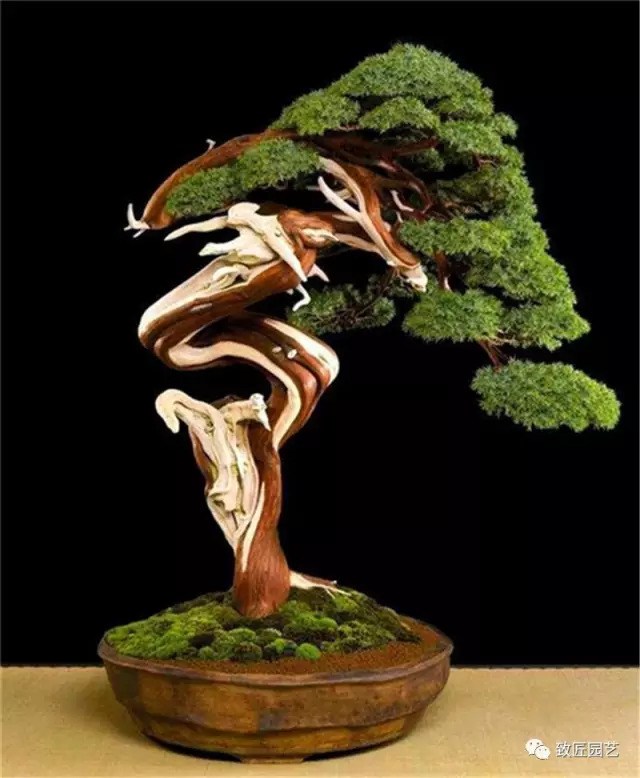
What are the quick ways to master bonsai knowledge
[pén jǐng] Bonsai, also known as penjing, is one of China's outstanding traditional arts; it is an artwork that uses plants and rocks as basic materials to express natural landscapes within a pot. Using plants, rocks, soil, water and other materials, through artistic creation and horticultural cultivation...
-
Zhao Fuwen Profile: Senior Art Master of Chinese Penjing
Zhao Fuwen, Senior Art Master of Chinese Penjing: Love at First Sight, a Life Bound to Penjing--Zhao Fuwen is the secretary-general of the Beijing Penjing Association. Every time you go to Jingshan Park and pass by his penjing care base, you can see many penjing enthusiasts drinking tea and chatting there. This October
-
How to fertilize Phalaenopsis orchids? Master the right method for more vigorous blooms
When fertilizing Phalaenopsis orchids, applying a small amount of fertilizer in spring is enough; stop fertilizing during the flowering period, and once new shoots begin to grow again, you can apply liquid fertilizer once more. In summer, when it grows vigorously, you can apply liquid fertilizer once a week. In autumn, as the plant's growth slows, reduce fertilization. In winter, stop fertilizing. In addition, during the hot, stuffy days of summer, stop fertilizing for a period of time.
-
How to propagate magnolia by cuttings? Master the method for a high survival rate
For magnolia cuttings, choose the time from May to June, select healthy branches as cuttings, keep two leaves at the top of each cutting, cut off 1/3 of the leaf surface of each leaf, dip the base of the cutting in rooting powder or plant ash, then insert it into the soil for care. In addition, cuttings should be taken in a warm environment, the cutting medium should be kept moist, and ventilation should also be ensured.
-
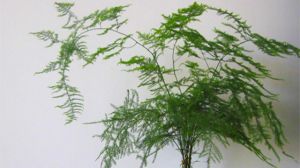
How to fertilize asparagus fern? Master the right method for fuller branches and leaves
When fertilizing asparagus fern, it is best to choose fermented and composted organic fertilizer as the main type. During spring and autumn, apply it about once a week, and in winter, apply it about once every 15 to 20 days. During the high temperatures of summer, stop fertilizing. In addition, when fertilizing, it is best to apply frequently but in small amounts, and do not apply concentrated fertilizer.
-
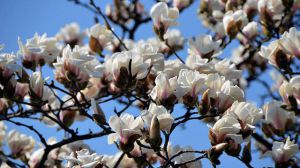
How to prune a magnolia? Master the correct pruning method
Before planting, cut off all senescent and damaged branches. When digging up the seedling, prune its root system. After planting, keep 5 to 6 main branches per plant, and keep 7 to 8 short buds on each main branch. Before overwintering, also cut off the dense and redundant branches. In addition, when pruning, apply Bordeaux mixture to the cuts to prevent pest and disease damage.
条件筛选