-

How to care for carnations during the flowering period? Detailed introduction to care methods
During the flowering period, we need to provide it with growing conditions of 14-21°C, highly hydrophobic flower soil and sufficient water. During this time, we can increase the application of P and K fertilizers, reduce the application of N fertilizer and promptly cut off diseased and weak flower branches.
-
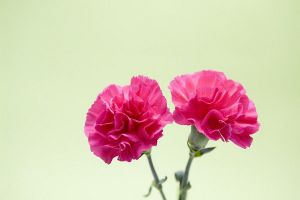
How do you care for carnations so they bloom quickly?
If you want carnations to bloom quickly, you need to give them good growing conditions. Specifically, that means 13-35°C, 6-8 hours of light per day, an appropriate amount of water, humidity of around 75%, and a certain amount of flower fertilizer. In addition, it is best to prune the branches at the right time, which can make it produce more flowers.
-
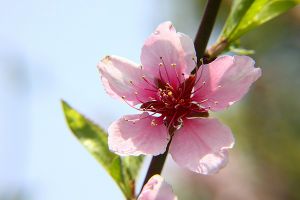
How to extend the blooming period of peach blossoms? Practical care methods to share
Peach blossoms generally bloom in the third month of spring. During the blooming period, they must not be placed in a cold, dark place; keep the room temperature at 18 to 23°C, and also give them enough hours of sunlight to ensure that daily photosynthesis produces sufficient nutrients - specifically, twelve hours a day is enough. As for watering, we need to keep the soil breathable and dry, not overly moist, and control the amount of water carefully; if water accumulates, it will cause root oxygen deprivation and thus rot. Peach blossoms like to grow in acidic flower soil; a soil pH below 4 or above 8 will seriously affect growth, so it is best to choose a light, acidic loam soil that is not sticky in texture for cultivation.
-
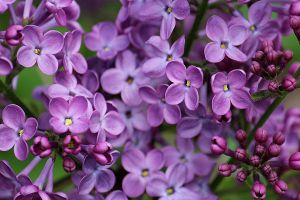
How to graft lilac? Detailed explanation of grafting methods and steps
There are quite a few propagation methods for this plant, and grafting is one of them, and there are also several ways to graft, including bud grafting, branch grafting and approach grafting.
-
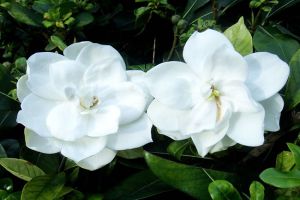
How to care for gardenia in spring? A full breakdown of spring care methods
First of all, make sure its roots stay in suitable soil. It prefers acidic soil, so a sandy loam red soil with a pH between 5 and 6, rich in humus, is ideal; alkaline soil must be avoided. Spring temperatures are relatively warm, which is very suitable for gardenia growth; when temperatures occasionally drop, just make sure to keep it warm. It likes plenty of water, but while keeping the soil slightly moist, be careful not to let water accumulate in the pot, to prevent root rot. Its demand for fertilizer is not great, but it does like fertilizer, and since it grows in acidic loam, a little ferrous sulfate should be added each time you fertilize to adjust it; fertilizing once every half month is enough.
-
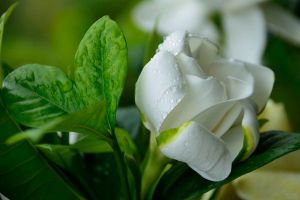
How to Prune Gardenia? Detailed Guide to the Correct Methods and Techniques
There are two periods when gardenias can be pruned: one is between May and July, and the other is around December. The pruning methods differ for each period. From May to July, the main focus is on dealing with lush branches and nutrient-deficient branches; after cutting away unnecessary branches, the remaining branches can receive enough nutrients. In December, there are mainly three methods: heading back, thinning out, and renewal pruning. Pruning this way helps regulate the balance of the plant and enables it to grow better.
-
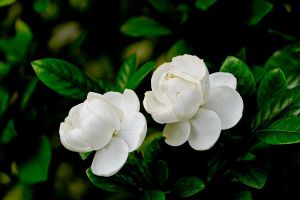
How to acclimatise a gardenia after transplanting? A detailed guide to care during the acclimatisation period
So-called acclimatisation is the process by which a freshly transplanted plant adapts to its new environment. Generally speaking, there are five main aspects. The first is watering: moisture must be sufficient, and if necessary you can judge by touching the soil. Second, humidity should also be higher; you can spray water to raise it. Third is ventilation, but do not place it where it gets blown by a draught. Fourth is about improving the soil. The most commonly used method is fermented rice-washing water, diluted and then poured on. Last is light: do not expose it to direct blazing sun. First put it in a shady place for a few days to acclimatise, then let it receive diffused light.
-
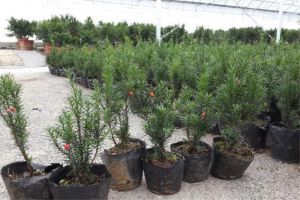
How to Pollinate Yew? A Detailed Guide to the Correct Pollination Method
Many gardening enthusiasts are not quite sure how to pollinate yew. Actually, it is not difficult. First, we need to collect male flowers and screen them to obtain pollen, then choose around 9 a.m. or 3 p.m., soak it in clean water, and add a little borax and white sugar. Then put it into a sprayer for spray pollination, or put it into gauze for wind pollination.
-
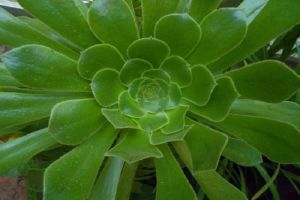
How to grow Aeonium arboreum 'Zwartkop'? Detailed care methods and precautions
In terms of temperature, it can live in temperatures from -2°C to 45°C, and it likes warm, bright areas. The soil should be rich, well-draining and airy. Pruning it can make it look better, watering should be adjusted according to the different seasons, and do not get the flowers and leaves wet.
-
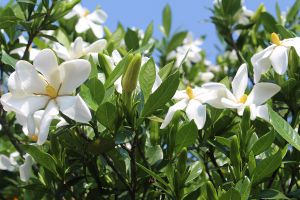
Reasons Why Gardenia Flowers Turn Yellow and How to Fix It
The most likely reason gardenia flowers turn yellow is a lack of water, so you should give them a bit more water. Another cause is too much light. This not only makes the leaves droop from sun exposure, but the flowers may also turn yellow. Normally, just two hours of light a day is enough. In addition, there is another possibility: the flowers are about to fade. Because this plant differs from other kinds, its flowers also turn yellow when they are close to fading.
条件筛选