How to acclimatise a gardenia after transplanting? A detailed guide to care during the acclimatisation period
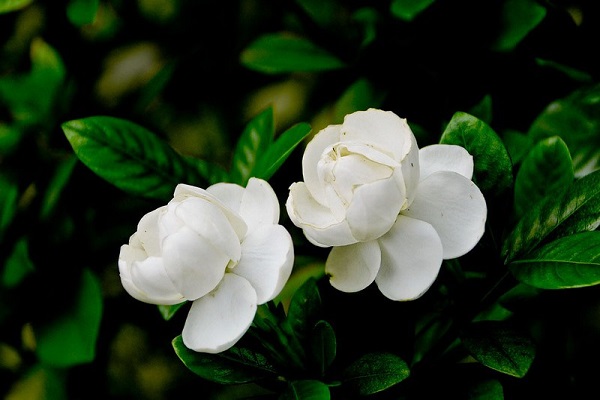
1. What is acclimatisation
Some friends may not quite understand this term. It carries the meaning of recovery. That is to say, when a plant has been transplanted and its environment changes, it needs a period of time to re-adapt to the new environment. This process is called acclimatisation.
2. Care during this period
(1) Watering: right after transplanting, it needs a thorough watering. After that, moisture must never be lacking. However, you also cannot water however much you like at will. If you are unsure, you can touch the soil to check its condition and use that to judge whether it lacks water.
(2) Humidity: this refers to the air humidity in the environment. During the acclimatisation period, to ensure normal humidity, you can use a spray bottle to sprinkle some water on the plant's leaves more often.
(3) Ventilation: especially during the period right after transplanting, ventilation is very important. However, this does not mean you can put it where it gets blown by a draught. Appropriate ventilation is enough.
(4) Soil: here this refers to improving the soil's acidity. The most commonly used method is rice-washing water. Collect some rice-washing water, put it in a drink bottle and seal it. Then, leave it under the sun to bake. After about a week, it will have fermented well. If you find the smell unpleasant, you can also add some orange peel to it. After diluting it, you can water the plant with it.
(5) Light: right after transplanting, it certainly cannot be exposed to blazing sun and must be placed in a shady spot. After a few days, it can be moved to a place with diffused light for growing. Because it is relatively shade-loving, it must never be exposed to strong sunlight.