-

How to care for flowers and plants in June? Save this guide
By June, temperatures rise further. For some flowers that go dormant or semi-dormant in summer and for the vast majority of bonsai, care should be taken with particular care, so as to avoid root rot caused by excessive rain, or excessive growth caused by insufficient light, which disrupts the shape...
-
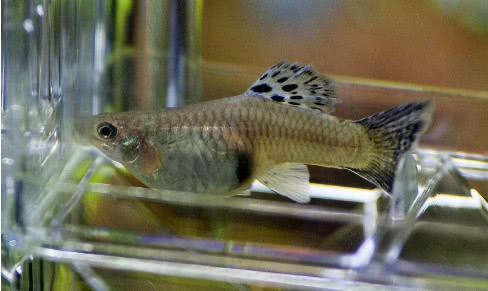
How can you care for fish after they give birth so that mother and babies can coexist?
What should you do when tropical fish give birth? Tropical fish giving birth is a lively event, and in this way the aquarium gains a new life. But some tropical fish die after giving birth, which is very puzzling and also very sad for their owner. Perhaps the environment for the tropical fish giving birth was not good enough, or the tropical fish's usual nutrition could not keep up, and so on.
-
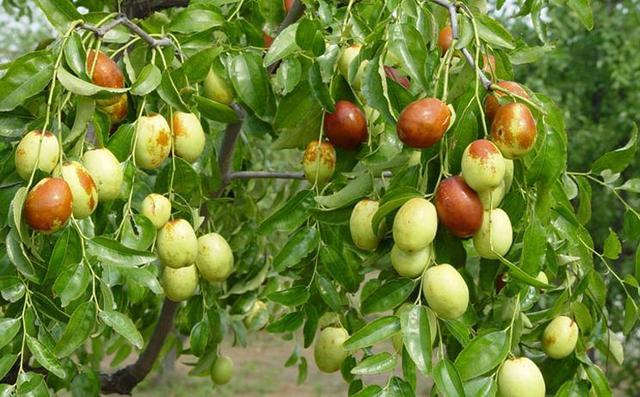
How to Improve the Low Fruit Set Rate of Winter Jujube? Practical Methods Shared
How to improve the fruit set rate of winter jujube? 1. Reasonable pruning. Winter pruning means fine pruning of the fruiting branch groups. Remove the weak branches on the underside of the limb; fruit on such branches is small and of low commercial value. Fruit on excessively vigorous upright branches is large but the fruit set rate is low...
-
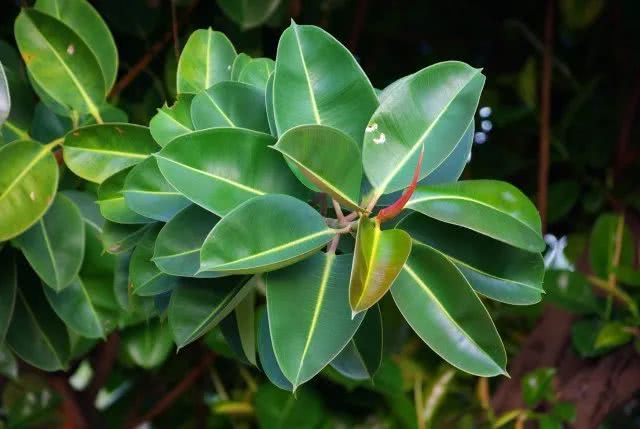
The rubber plant looks awful as a single bare trunk. How do you shape it? Try the "three forks, nine tops" method
How to prevent the rubber plant's main trunk from growing too tall. It must be said, the rubber plant has an extremely strong apical dominance! If it is not pruned, the apical buds of the rubber plant will keep sprouting in succession, the main trunk will grow taller and taller, while its axillary buds remain dormant for a long time, turning the main trunk...
-

How do you save an asparagus fern with root rot? Here are a few practical remedies
There are many causes of root rot in asparagus fern (Asparagus setaceus): if it is caused by too much or too frequent watering, then control the amount of water and do not water too much. If it is caused by over-fertilizing, then reduce the amount of fertilizer and do not fertilize frequently. If it is caused by low temperatures, then raise the temperature appropriately. If it is caused by not repotting for a long time, then repot once every 2-3 years.
-

How to rescue an orchid with root rot? Master these few tricks and the orchid can still be saved
There are many causes of orchid root rot: if it is caused by insufficient light, then appropriately increase the light, but do not expose it to scorching sun. If it is caused by a poorly ventilated growing environment, then appropriately increase ventilation. If it is caused by too much watering, then reduce the amount of watering, and water only after the potting soil has dried out. If it is caused by too much fertilizer, then reduce the amount of fertilizer, applying light fertilizer frequently.
-

How to deal with rotten roots in lilies? Practical solutions shared
To solve the problem of rotten lily roots, first take it out and clean the roots thoroughly, use sterilized scissors to cut off the rotten roots, then disinfect the roots, and after disinfection rinse them clean with water and let them dry. Then choose hydroponics or soil culture according to your needs.
-

How to rescue a peony with root rot? Learn these methods and you can still save it
There are many causes of root rot in peonies: if it is caused by excessive watering, then water reasonably, and it is best to wait until the soil becomes dry before watering. If it is caused by root rot disease, then promptly cut off the diseased roots and disinfect them, and fertilize appropriately to increase disease resistance. If it is caused by too much fertilizer, then fertilize in moderation, and do not fertilize too much or too frequently.
-

How to save a crabapple with root rot? A detailed guide to practical solutions
There are many causes of root rot in crabapple: if it is caused by soil that is not breathable, then you need to replace it with suitable soil and loosen the soil properly. If it is caused by too much fertilizer, then you need to water heavily to wash away the excess fertilizer. If it is caused by water accumulating in the pot soil, then tilt the pot to let the standing water drain out. If there is no way to save it, then you will need to replant it.
-

How to save a camellia with root rot? Here's the correct way to handle it
There are many causes of root rot in camellias: if it is caused by poorly aerated soil, then replace it with loose, well-aerated soil. If it is caused by overwatering, then control how much you water and do not water too much. If it is caused by too much fertilizer, then reduce the amount of fertilizer and do not fertilize frequently. Once root rot is noticed, promptly cut off the rotted parts and replant.
条件筛选