How to care for flowers and plants in June? Save this guide
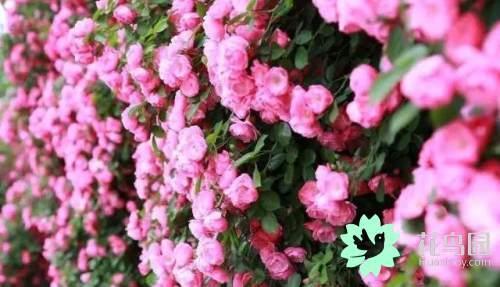
By June, temperatures rise further. For some flowers that go dormant or semi-dormant in summer and for the vast majority of bonsai, care should be taken with particular care, so as to avoid root rot caused by excessive rain, or excessive growth caused by insufficient light, which disrupts the shape or affects the normal flowering and fruiting of ornamental plants. June is the rainiest season of the year, with frequent long periods of continuous rainfall.
Watering
When watering potted flowers in June, pay attention to the following aspects
1) Watering time: 10 a.m. or 5 p.m. is best; under normal circumstances, watering once a day is enough;
2) Watering temperature: the water used for watering and the pot soil temperature should be kept basically consistent; if the difference between water temperature and soil temperature is too great, it will stimulate the root system and leaves of potted flowers and thereby affect their growth;
3) Combine watering and spraying: when there are several days without rain, in addition to watering the pot, also spray water on the leaf surface and around the potted flowers, so as to increase the humidity of the local space.
If there is continuous rainfall, after the rain stops, comprehensively check the potted flowers. If water accumulation is found in the pot, pour it out as soon as possible, and after the pot soil dries, loosen the soil, so as to avoid root rot.
Fertilizing
1) For vigorously growing species, such as monstera, spider plant, arrowhead plant, bamboo orchid types, and sword fern, apply a topdressing of fully fermented dilute cake fertilizer water once every half month; for species currently in bloom, also apply an appropriate amount of phosphorus and potassium fertilizer;
2) For those flower species in dormant and semi-dormant states, fertilizing must be stopped; especially for those succulent flower species, such as jade plant, Christmas cactus, and sedum types.
Pruning
1) Vigorously growing species: such as Chinese plum yew and Buddhist pine, branches that affect the shape should be pruned or cut back early, which can keep the plant clearly layered and in good shape;
2) Bud pinching: for flowers such as jasmine, bead orchid, and Chinese rose, faded flowers and withered stems should be removed in time, and the branches that have bloomed should be appropriately cut back, to encourage the lower side branches or flower buds to bloom again.
Shading
1) For flowering trees that prefer shade or partial shade, in June they must be moved under a shade shed, to prevent damage to the plants from scorching sun exposure.
2) For flower species that prefer light, sufficient light must be given, such as pomegranate, wisteria, five-needle pine, and Buddhist pine.
Pest prevention
1) Plants vulnerable to damage by trunk-boring longhorn beetles: Chinese juniper, Taiwan juniper, Chinese elm, papaya, firethorn, Buddhist pine, crabapple types, etc., should promptly be controlled by using poison sticks to block them;
2) Plants prone to powdery mildew and brown spot disease in the plum rain season: Chinese rose, rose, and rugosa rose, etc., should be sprayed early with Bordeaux mixture for control;
3) Plants vulnerable to aphid damage: white orchid, plum blossom, wintersweet, etc., should be sprayed early with suitable pesticides to kill them;
4) Plants whose leaves are prone to anthracnose infection: orchid types, should be sprayed early with fungicides such as carbendazim for control.