-
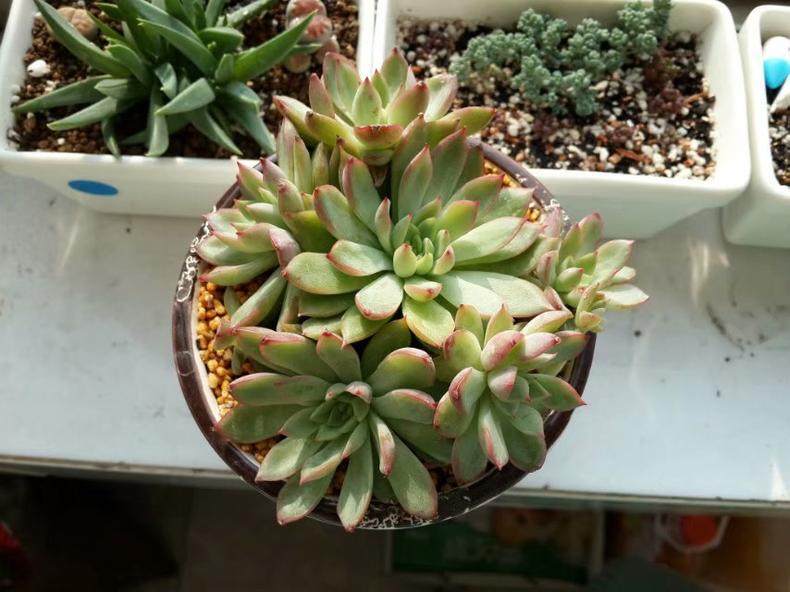
This is how succulents grow in Guiyang, the Rainy Capital
A couple of days ago I saw a fellow succulent grower from Guiyang showing off their succulents in the community. They said that in Guiyang, where they live, the number of rainy days last year reached 257. Yep, you heard that right. I specifically looked it up and it's true. No wonder everyone...
-
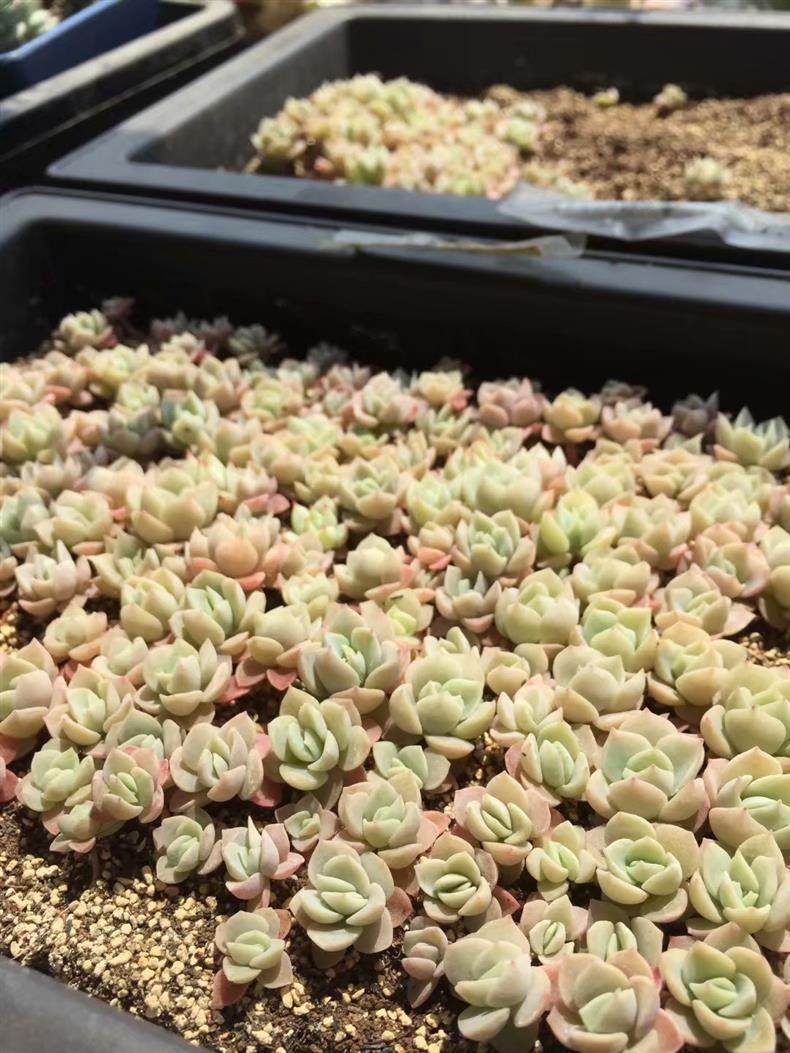
How to Keep Succulents From Losing Their Color in Summer? Sharing 3 Years of Care Experience
Keeping succulents alive through summer is hard, especially in the "free-shipping region," and it can no longer be described as merely "the pain of cabbage colors." Growing succulents requires flexibly referring to the advice of all the experts; once your care skills are up to par, even in the free-shipping region, where getting through summer is so hard, you can still bring out their colors...
-
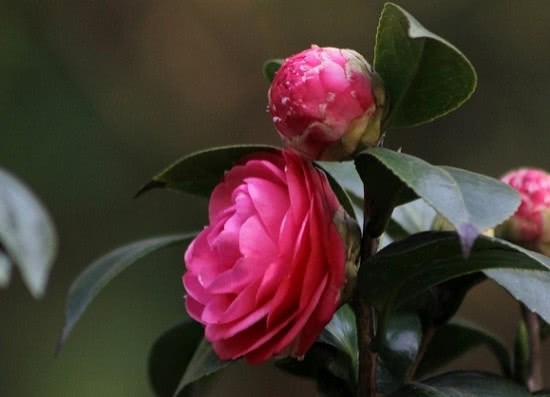
How Do You Graft Camellias? A Step-by-Step Detailed Guide to Camellia Grafting Techniques
Many beginner flower growers want to know how camellias are grafted. Here, Guzhujun has put together a detailed illustrated guide to camellia grafting so you have a reference when grafting your own camellias. The rootstock commonly used for grafting camellias is the oil tea tree (Camellia oleifera),...
-
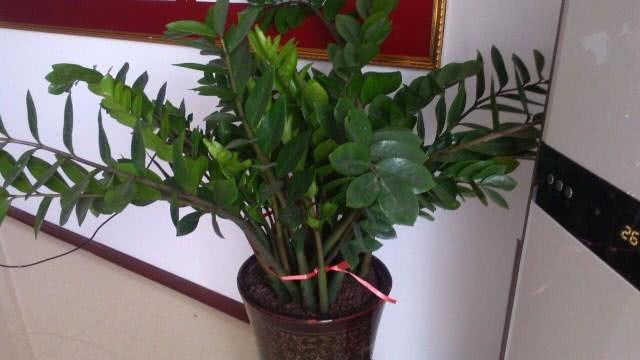
How to care for a money tree? Master these few tricks and the leaves will stay put and grow vigorously
Money trees drop leaves for many reasons: if it is caused by too much light, you need to reduce the light; if it is caused by overwatering, you need to water less; if it is caused by dry air, you need to increase the air humidity; if it is caused by too low a temperature...
-
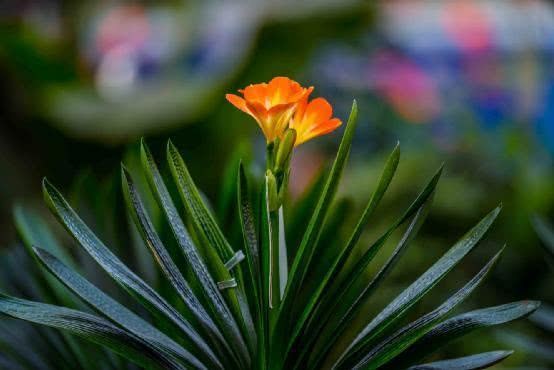
This is how to fertilize clivia efficiently for blooms every year and rampant growth every month
A master clivia grower once chatted with me and said, "You can tell whether a clivia is growing well just by looking at its fertilizer." At first I didn't pay much attention, but later, when I saw my own clivia that never seemed to grow, I realized how true those words were...
-

99% of flowers die this way. If you don't change the location, no matter how many pots you grow, it's all for nothing!
Huahua recently read our topic discussions and really didn't know whether to laugh or cry. Many flower lovers said they managed to kill even a dozen pots of cacti, let alone pothos and lucky bamboo... Today let's start with the easiest ones to grow and see why you ended up killing them!
-

Why Gardenia Only Grows Buds but Never Blooms, and How to Fix It
If your gardenia only grows buds but never blooms, first check whether it is in its blooming season. If it is not, just wait patiently. If it is in season but still not blooming, you need to do the following five things: first, apply the right amount of phosphorus and potassium fertilizer. Second, adjust the light and give it a moderate amount. Third, control watering appropriately, keeping the soil slightly moist. Fourth, adjust the soil pH to acidic. Fifth, prune appropriately.
-

How to deal with root rot in peace lilies? A few practical remedies
There are many causes of root rot in peace lilies: if it is caused by overwatering, then reduce watering and cut off the rotten roots. If it is caused by too much fertilizer, then reduce the amount of fertilizer and do not give it fertilizer that is too highly concentrated. If it is caused by bacteria in the container, then clean and disinfect it promptly. If it is caused by not changing the water for a long time, then change the water frequently.
-

How to rescue a magnolia with root rot? Teaching you the correct way to handle it
There are many reasons for root rot in magnolia: if it is caused by too much watering, then reduce the amount of watering appropriately and keep the soil moist. If it is caused by too much fertilizer, then reduce fertilizing appropriately. If it is caused by not repotting for a long time, then cut off the rotted roots and disinfect them, replace with a suitable pot and soil, and replant.
-

How to deal with root rot in azaleas
To solve the problem of azalea root rot, first take it out of the potting soil and rinse it clean, then cut off the rotted parts, soak it in potassium permanganate for 30 minutes, then disinfect the flowerpot, replace it with suitable soil, replant it and water it appropriately, and keep it in a ventilated place for care. Do not fertilize it for one month; after half a month it can be cared for normally.
条件筛选