-
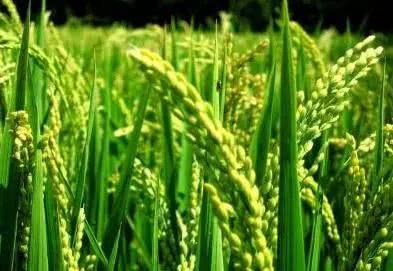
Both corn and peanuts are treated with growth retardants; does rice need it too?
The answer is yes. Growth retardants are antagonists of gibberellin. As a plant growth regulator, they can effectively control excessive vegetative growth, promote reproductive growth, shorten internodes, and produce plants that are short, sturdy, thick, with well-developed root systems and resistance to lodging, as well as...
-
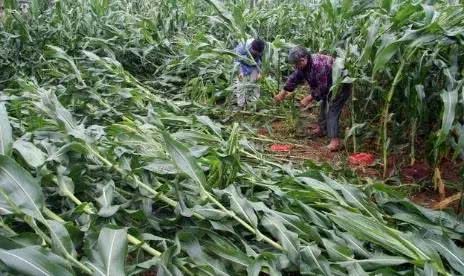
Using the right corn growth regulator can increase yield, but using it wrong will reduce yield
Will an excessive amount of corn growth regulator cause a reduction in corn yield? I can tell you clearly: it absolutely will. The problem of using too much growth regulator does not only occur in corn; it also happens frequently in peanuts, wheat and rice. In production, the...
-

Corn growth regulators have become very popular in recent years. What happens if you don't apply them?
Is it feasible to grow corn without applying growth regulators? Here, Science for Agriculture can't help but ask: in the era before growth regulators existed, did our crops simply not grow? Obviously not! Not spraying growth regulators in a corn field does not mean...
-
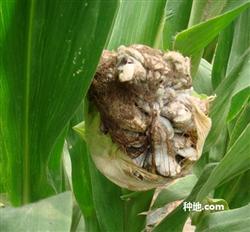
What to Do About Corn Stalk Rot? Detailed Control Methods
What is corn barren stalk disease? An introduction to the symptoms of corn barren stalk disease: corn usually produces 1-2 ears, most commonly one ear, but during production, barren stalks often appear, affecting yield increases. For example, surveys in Kuandian, Yanyan, Benxi, Huanren and other places in Liaoning found barren stalk rates of 12%-20%, with a yield reduction of 50kg per 667 sq m...
-
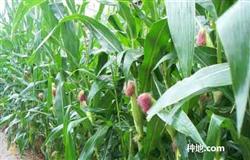
What should be paid attention to during the ear stage of corn? Don't miss these management points
What should be paid attention to during the ear stage of corn? Please note that the ear stage of corn refers to the period from the jointing stage to the tasseling stage, and summer intercropped corn or summer direct-seeded corn generally needs 25-30 days. During the ear stage of corn, vegetative growth and reproductive growth proceed simultaneously, and it is the period of most vigorous growth. Corn is a warm-loving crop, and the growth and development during the ear stage require...
-
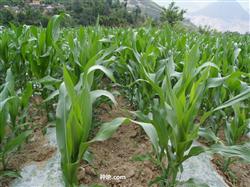
What are the scientific methods for growing corn?
How do you grow corn scientifically? Please provide guidance. Corn contains large amounts of lecithin, linoleic acid, grain alcohol, and vitamin E. Long-term consumption can effectively lower serum and cholesterol levels, reduce the occurrence of high blood pressure and arteriosclerosis, and has the effect of delaying cell aging and the degeneration of brain function. Corn contains anti-cancer factors...
-

What are the correct methods for topdressing corn?
How do you correctly topdress corn? Please refer to the following corn topdressing techniques for your reference: First application at 3 or 4 leaves. This refers to one application combined with thinning, final thinning and transplanting; it is the foundation for ensuring complete and even seedlings and promoting strong seedlings. Generally, the method of topdressing according to seedling condition is adopted, and human excrement and urine or biogas fertilizer is suitable, about 30 loads per mu...
-
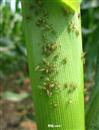
How to control aphids in cornfields? These methods are very practical
How to control aphids in cornfields? The methods for controlling aphids in cornfields are as follows: (1) Chemical control: use 5% phorate granules at 200 g per 667 sq m, mix with 1.5 kg of fine sand or soil, apply the pesticide every other ridge, and fumigate to kill the aphids; spray 0.5% dimethoate powder at 1.5-2.0 kg per 667 sq m, or 50% dimethoate...
-
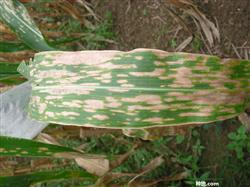
How to treat southern corn leaf blight? Mastering the control methods is key
How to treat southern corn leaf blight? For guidance on southern corn leaf blight, you can refer to the following control methods: 1. Symptom presentation. Southern corn leaf blight can occur throughout the entire growth period of corn, mainly damaging leaves and leaf sheaths, and the husks and ears can also be affected. It usually starts on the lower leaves of the plant and spreads and expands upward. Leaf lesions...
-
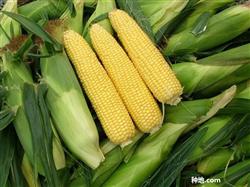
How do you carry out field management for autumn-planted sweet corn?
How should autumn-planted sweet corn be managed? Please explain: for planting sweet corn in autumn, you can refer to the following methods: 1. Scientific fertilization. For sweet corn to have a high yield, fertilization techniques should follow the principles of applying an appropriate base fertilizer, applying seedling fertilizer early, applying sufficient fertilizer for strong stalks, and heavily applying the fertilizer for the ear (ear fertilizer). Adjust flexibly according to the fertility of the previous crop's soil...
条件筛选