-

A Detailed Guide to Blackberry Cultivation Techniques and Management Methods
Blackberry Cultivation Techniques
-

What to do when banyan tree leaves turn black? Adjust temperature, water and fertilizer, and spray pesticide to prevent pests and diseases
The banyan tree is currently the most popular bonsai plant. It has strong adaptability, looks beautiful, and can also purify the air and be used medicinally to treat illnesses, so it is deeply loved by flower enthusiasts. However, during cultivation, many flower enthusiasts encounter the symptom of leaves turning black, which is a headache. So what should be done when banyan tree leaves turn black?
-
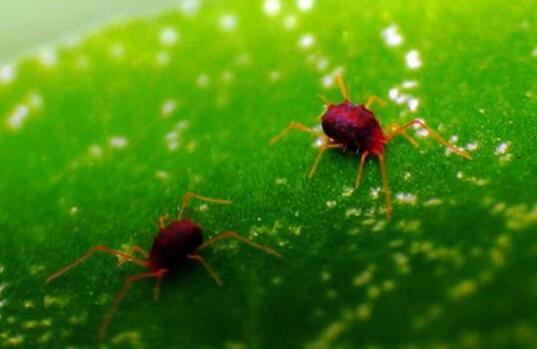
Dracaena pest and disease control: red spider mites, scale insects and black spot disease - prevention is key
Dracaena is quite sensitive to environmental changes. Sometimes improper cultivation methods can trigger pest and disease problems, causing leaves to turn yellow, wilt and drop, which greatly distresses plant lovers. So what should you do when Dracaena is affected by pests and diseases? Let's look at Dracaena pest and disease control methods.
-
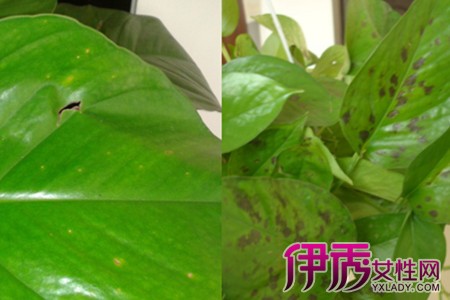
Why do pothos leaves have black spots? Experts teach you to treat flower diseases
Pothos is very popular in many regions because it can absorb formaldehyde. But some people find that the leaves of their pothos develop spots. Today we will explain why pothos leaves have black spots and how to treat them.
-
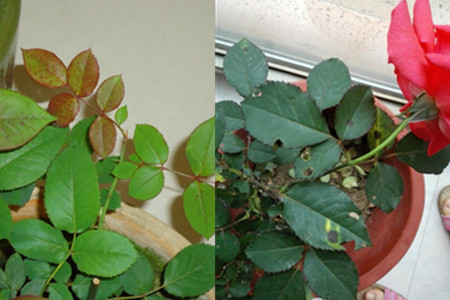
What to Do When Rose Leaves Develop Black Spots? Three Methods to Teach You Prevention and Control
Rose black spot disease is a common disease, with the affected parts being mainly the leaves, followed by the petioles, leaf tips, young tender branches and pedicels. This disease causes the leaves to turn yellow and fall early; when the disease is severe in April and May in summer and in late summer in August and September, the leaves can all fall off completely.
-

Black Knights of Chishang: Farmers Are the Scenery in the Fields, and the Land Grows a Mutual-Aid Economy
"Farmers in the fields are the scenery" - the Black Knights of Chishang grow a mutual-aid economy from the land
-

-
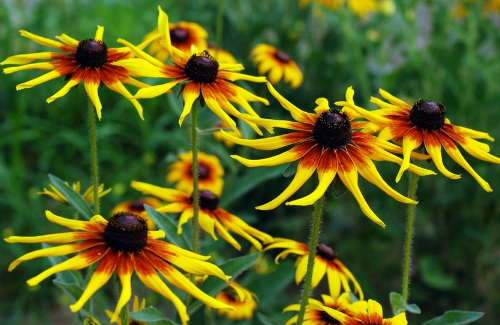
How to Grow Black-Eyed Susan and Things to Note
1. Soil: Because black-eyed Susan has strong adaptability, it is not demanding about soil; the soil only needs to be loose, airy and well-draining. We generally choose sandy soil, which is very suitable for the growth of black-eyed Susan. 2. Temperature: Black-eyed Susan likes a warm and well-ventilated growing environment.
-
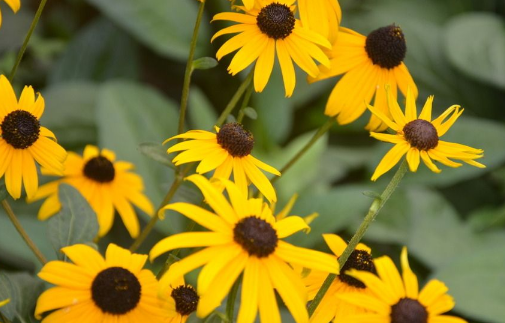
How to plant black-eyed Susan seeds? Detailed sowing method
In autumn, we can harvest black-eyed Susan seeds from the flower heads of the black-eyed Susan. After choosing the right season, we also need to prepare the soil for sowing black-eyed Susan. It is best to choose soil with good drainage that is rich in humus and nutrients, as this helps the black-eyed Susan seeds break through the soil and sprout.
-

条件筛选