Why do pothos leaves have black spots? Experts teach you to treat flower diseases
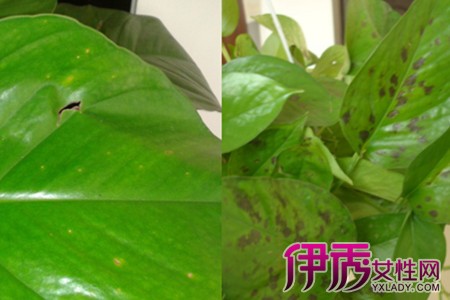
To understand how a plant's unhealthy condition develops, you should first understand the plant's habits. Pothos is generally quite easy to care for, but if it is not cultivated properly it can still get sick. Today we will list some causes of black spots on pothos leaves and how to treat them, hoping to help friends in need.
One cause of black spots on pothos leaves: too much watering. Some people who grow pothos think that since pothos can be grown in water, it certainly is not afraid of being soaked, so they water it very heavily and very often every time. This cultivation method most easily causes black spots on pothos leaves, and these black spots are a precursor to root rot. To solve the leaf black spots caused by this situation, you should loosen the soil for the pothos, then place it in a well-ventilated spot and let it slowly recover on its own.
The second cause of black spots on pothos leaves: not receiving sunlight for a long time. Although pothos is not a sun-loving plant, it still cannot go without light for long periods. Normally it should be given sun twice a week to ensure healthy growth. Because sunlight and ventilation are essential ways to help it convert the stale air absorbed from the surroundings into harmless air, so the weekly sun exposure must be ensured.
The third cause of black spots on pothos leaves: too much fertilizing. Pothos is a plant that does not need much fertilizer; usually fertilizing it once every three to five months is enough. If it is fertilized too many times, its roots will be burned, and then its unhealthy condition will show in the leaves. Once this happens, first remove the blackened leaves, then change the soil and repot the pothos, so that normal growth can be ensured.
What flowers are good to grow at home
Flower and Bonsai Network introduction: Today the Flower and Bonsai Network editors share with you an article about what flowers are good to grow at home. Let's take a look.
Many people grow flowers at home, and many flower lovers grow even more. Ingrowing flowers at homenot only beautifies the environment, but also adds green vitality to the home. But not all flowers are suitable for growing at home, sowhat flowers are good to grow at home? Below the editors share with everyone some common knowledge about growing flowers at home.
Flowers are plants. Growing flowers at home can not only beautify the indoor air and beautify the home environment, but also cultivate one's character. In fact, the flowers grown at home and in the office are much the same and can be treated the same. The best choices are pothos and spider plant. First, they are relatively easy to grow, and second, they have a good purifying effect. The beauty or fragrant scent of flowers and plants, with their three-dimensional and lively appearance, can add vitality to home furnishings.
But when it comes to what flowers to grow at home, there are many factors to consider, such as feng shui and the nature of the plants. This article focuses on introducing the flowers and plants most suitable for growing at home.
What flowers are good to grow at home
Placing some pollution-resistant flowers and plants at home can beautify the environment, cultivate character, purify the air, and also eliminate or reduce chemical pollution and resist the harm of microorganisms.
1. Lily: The scent of lily flowers can overstimulate the central nervous system and cause insomnia.
2. Hydrangea: The particles released by hydrangea can cause skin allergies and trigger itching.
3. Chinese rose: The scent released by Chinese roses can make some people suddenly feel chest tightness, discomfort, suffocation and breathing difficulty after smelling it.
4. Orchid: The fragrance released by orchids, if smelled for a long time, can make people overly excited and cause insomnia.
5. Redbud: If the pollen released by redbud flowers comes into contact with people for too long, it can trigger asthma or worsen cough symptoms.
6. Night-blooming jasmine: At night, night-blooming jasmine releases a large amount of strongly olfactory-stimulating particles. People with high blood pressure and heart disease easily feel dizzy, depressed and unwell, and their condition may even worsen.
7. Tulip: Tulip flowers contain an alkaloid. If people and animals stay among these flowers for 2 to 3 hours, they will feel dizzy and experience poisoning symptoms, and in severe cases hair loss may accelerate.
8. Oleander: The odor released by oleander flowers, if smelled for too long, can make people drowsy and reduce intelligence; the milky white liquid it secretes, if contacted for too long, can also poison people.
9. Flowers of pine and cypress: The fragrant odor released by pine and cypress flowers and trees has an irritating effect on the human gastrointestinal tract. If smelled for too long, it will not only affect people's appetite, but also make pregnant women feel upset, nauseous, and dizzy.
10. Rhododendron: Yellow rhododendron flowers contain a toxin. Once mistakenly eaten, mild cases cause poisoning and severe cases cause shock.
11. Mimosa: Mimosa contains an alkaloid in its body that can cause hair loss.
I.At home, grow different flowers according to different cultivation environments
1. Entrance hall
The entrance hall is the entrance area of a residence, including corridors and passageways. The decoration of the entrance hall should give people a first impression and feeling, whether luxurious and romantic, or neat and solemn, or elegant and simple, all can be felt from the decoration of the entrance hall.
The entrance hall space of a residence is often relatively narrow, sometimes just a corridor passageway. It is the necessary passage to the living room, and most of it is relatively dim. For greening decoration here, plants with neat forms or climbing columnar shapes are mostly chosen, such as Brazilian iron, Aspidistra, and golden pothos; spider plants and ferns are also often used, hung in suspended form, which can save space and enliven the atmosphere. In short, the plants chosen for greening decoration here are preferably fine-leaved and soft-stemmed, to soften the visual line of the space.
2. Living room
The living room is the main place for daily life, the center of family activities, and also the main place for receiving guests, so it has multiple functions and is the focus of greening decoration in the entire residence. To some extent, the degree of decoration of the living room can show the owner's identity, status, and interests. The greening decoration of the living room should reflect a hospitable and happy atmosphere. Plant arrangement should highlight the key points, avoid clutter, and strive to be beautiful, generous, and solemn, while also paying attention to coordination with the style of the furniture and the color of the walls. If a luxurious and imposing style is required, plants with larger leaves and taller forms such as Maraba chestnut, Brazilian iron, and green giant can be chosen as the main plants, or vines such as areca palm, weeping fig, golden pothos, and green gem can be used as the main scene; if an elegant and antique style is required, tree-stump bonsai can be chosen as the main scene.
But no matter what is used as the main scene, a small pot of brightly colored, small and exquisite foliage plants must be placed on the coffee table, flower stand, or window ledge near the sofa, such as ornamental bromeliads, peacock arrowroot, and alocasia; if necessary, fresh flowers or seasonal flowers can also be placed on the table. This combination not only highlights the theme of the living room layout, but also keeps the room evergreen throughout the four seasons and full of vitality.
3. Study
The study is a place for reading, writing, and sometimes also for receiving guests. The greening decoration of the study should be bright, fresh, and elegant, thereby creating a quiet, peaceful, and elegant environment, so that people feel calm and tranquil upon entering and can concentrate. Therefore, the plant arrangement in the study should not be too eye-catching, and plants with non-dazzling colors and relatively ordinary forms should be chosen, reflecting a reserved style. Generally, a pot of light and elegant asparagus fern or green plants such as network plant or syngonium can be placed on the desk to adjust eyesight and relieve fatigue; hanging plants with spreading and drooping forms, such as golden pothos, heartleaf philodendron, ivy, and inch plant, can be chosen and hung at the corner of the wall, or allowed to trail down from the top of a bookcase; a climbing plant can also be placed in a suitable position, such as fiddle-leaf philodendron, golden pothos, and selloum philodendron, like a coiled dragon soaring into the air, giving people the passion to be positive and strive upward.
4. Bedroom
The main function of the bedroom is sleep and rest. About 1/3 of a person's life is spent sleeping, so the arrangement and decoration of the bedroom are also very important. The plant arrangement in the bedroom should revolve around the function of rest, and plant decoration should be used to create an atmosphere that can soothe nerves, relieve fatigue, and make people relaxed. At the same time, because there is more furniture in the bedroom and the space seems crowded, it is better to choose small, light green plants. Matching bonsai should also not have bright colors or strange shapes. Asparagus fern, monstera, and ferns can be placed on the desk or stands. If space permits, plants with neat shapes can also be placed on the floor, such as heartleaf philodendron, Brazilian iron, and umbrella tree. In addition, plants can also be selected according to the age and personality of the occupants.
5. Dining room
The dining room is a place for family members or guests to eat or gather. When decorating, the theme should be sweetness and cleanliness, and indoor foliage plants with bright colors can be appropriately placed. At the same time, fully consider saving space and focus on three-dimensional decoration. In principle, the selected plants should be small in form. For example, several small and exquisite, emerald green indoor foliage plants can be displayed on a multi-tiered flower stand (such as ornamental bromeliads, baby rubber plant, monstera, lily grass, peacock arrowroot, asparagus fern, and clearweed, etc.), or a clearly shaped indoor foliage plant such as golden pothos, Maraba chestnut, and Dutch iron can be placed in the corner. This can make people feel energized and increase appetite.
II.At home, grow different flowers according to different home feng shui
1. Lucky bamboo
Lucky bamboo, also called "ten-thousand-year bamboo" and "evergreen," is a widely popular "money tree." Growing lucky bamboo at home symbolizes attracting wealth.
2. Kumquat
Growing kumquat at home carries the meaning of gold, silver, and treasure, and is quite helpful for increasing sources of wealth. But note: do not pull the kumquats off, and clean up dead branches and fallen leaves frequently.
3. Narcissus
Growing narcissus at home can ward off evil and remove filth, bring good fortune and auspiciousness, and also attract wealth. Note that before narcissus blooms, it looks like a large scallion, and maintaining its freshness is very important.
4. Chrysanthemum
Growing chrysanthemums at home symbolizes longevity and increased fortune, and helps with the feng shui keywords of indoor decoration for qi field and magnetic field. But note: longevity chrysanthemum and cosmos are both suitable for placing at home, but pay attention to sunlight, and also watch out for pests. In addition, the bactericidal substances secreted by flowers such as jasmine, clove, honeysuckle, and morning glory grown at home can kill certain bacteria in the air, inhibit the occurrence of diphtheria, tuberculosis, dysentery pathogens, and typhoid bacteria, and keep indoor air clean and hygienic.
III.At home, grow different flowers according to different floral functions
Generally, the number of flowers and plants placed in the hall should be controlled within 3 pots. In terms of varieties, it is best to choose some plants with low light requirements, such as evergreen, Brazilian iron tree, and Chinese orchid types; in the bedroom it is best not to place flowers and plants. If they must be placed, some small and exquisite succulent plants such as cactus and cactus ball can be chosen as decoration.
Aloe, spider plant, and snake plant can remove formaldehyde. In a 15-square-meter room, planting two pots of snake plant or spider plant can keep the air fresh and free from the harm of formaldehyde. Snake plant can also release a large amount of oxygen during the day. Spider plant can also release bactericidal substances and kill pathogens. If enough spider plants are placed in a room, 80% of harmful substances will be killed within 24 hours; spider plant can also effectively absorb carbon dioxide.
1. Plants that can kill pathogens
The volatile oils produced by fragrant flowers such as rose, osmanthus, violet, jasmine, lemon, rose, dianthus, lily of the valley, and crape myrtle have significant bactericidal effects.
Plants such as crape myrtle, jasmine, and lemon can kill diphtheria bacteria and dysentery bacteria and other protozoa within 5 minutes. The fragrances released by plants such as rose, dianthus, lily of the valley, violet, rose, and osmanthus have a clear inhibitory effect on the growth and reproduction of tubercle bacilli, pneumococci, and staphylococci.
Succulent plants such as cactus that originated in tropical arid regions have stomata on their fleshy stems that close during the day and open at night, absorbing carbon dioxide while producing oxygen, increasing the concentration of negative ions in indoor air.
Plants such as snake plant, bowstring hemp, agave, and brown-haired prickly pear, kalanchoe, sedum, air plant, and cultivated bromeliads can also purify the air at night.
Planting climbing plants such as ivy, grape, morning glory, wisteria, and rose around the home and letting them climb along walls or trellises to form a green shade canopy can effectively reduce solar radiation and greatly lower indoor temperature. Plants such as clove, jasmine, rose, violet, and mint can make people relax and feel happy, help with sleep, and also improve work efficiency.
Many people like to grow flowers indoors to improve and beautify the indoor environment, but if chosen improperly, it can instead cause indoor pollution. Therefore, when growing flowers, note: choose good varieties. Indoors, it is most suitable to choose evergreen flowers and trees or varieties that can absorb toxic gases, such as spider plant, asparagus fern, evergreen, cactus, monstera, and ivy.
2. Effects of common flower fragrances
Rose fragrance: relaxes nerves, relieves physical and mental fatigue, and helps treat nervous system diseases.
Tulip: can relieve eye fatigue and eliminate irritability.
Orchid fragrance: relieves lung heat and phlegm cough, and is beneficial for people with neurasthenia, but it should not be too strong, otherwise it can also cause dizziness.
White orchid fragrance: can have bactericidal and air-purifying effects.
3. Plants that can absorb toxic chemical substances
Aloe, spider plant, snake plant, Aspidistra, and monstera are natural scavengers and can remove harmful substances from the air. Studies have shown that snake plant and spider plant can absorb more than 80% of harmful gases indoors, and their ability to absorb formaldehyde is extremely strong. Aloe is also good at absorbing formaldehyde and can absorb 90% of the formaldehyde contained in 1 cubic meter of air. Ivy, sago palm, chrysanthemum, kumquat, pomegranate, purslane, Chinese rose, camellia, pomegranate, orchid tree, daisy, wintersweet, and marigold can effectively remove harmful substances such as sulfur dioxide, chlorine, ether, ethylene, carbon monoxide, and nitrogen peroxide. Orchids, osmanthus, wintersweet, caladium, and red-backed eupatorium are natural dust removers, and their cilia can intercept and retain floating particles and smoke dust in the air.
4. Plants that can resist radiation
If you place one or two pots of cactus beside your computer, it can help the human body absorb as little of the radiation released by the computer as possible. Because cactus grows in places with very strong sunlight, its ability to absorb radiation is especially strong.
(1) Cactus (ball) can resist radiation
Cactus and succulent plants have a nickname - "lazy person's plants." This type of plant requires no excessive care and attention for cultivation, and hydroponic cactus ball is even easier to maintain. Because cactus (ball) grows in places with very strong sunlight, its ability to resist ultraviolet and other radiation is especially strong. Hydroponic cactus ball is clean and environmentally friendly, with no odor. If you place one or two pots of hydroponic cactus (ball) beside your computer, it can help the human body absorb as little of the radiation released by the computer as possible. Because cactus (ball) grows in places with very strong sunlight, its ability to absorb radiation is especially strong.
(2) Cactus ball known as a nighttime "oxygen bar"
Cactus ball mostly breathes at night when it is cooler and more humid. When breathing, it inhales carbon dioxide and releases oxygen. Therefore, placing a large golden barrel cactus indoors is like adding an air freshener and can purify indoor air. Thus it is also an ideal flower for indoor placement at night.
(3) A master at adsorbing dust. Do not underestimate the cactus ball; it is also a master at adsorbing dust! Placing a cactus ball indoors, especially a hydroponic cactus ball (because hydroponic cactus ball is cleaner and more environmentally friendly), can play a role in purifying the environment.
5. Recommended flowers to grow at home
(1) Aster, milkvetch, tobacco, and cockscomb. These plants can absorb large amounts of radioactive nuclides such as uranium.
(2) Ivy, Chinese rose, rose, aloe, and evergreen can effectively remove indoor trichloroethylene, hydrogen sulfide, benzene, phenol, hydrogen fluoride, and ether, etc.
(3) Eucalyptus, asparagus fern, spurge, and cactus can kill pathogens, and asparagus fern can also remove heavy metal particles.
(4) Ivy, fig, ceriman, and common aloe can not only deal with bacteria and other harmful substances brought in from outdoors, but can even absorb dust that is difficult for even a vacuum cleaner to pick up.
(5) Monstera, snake plant, and Aspidistra can absorb more than 80% of harmful gases indoors.
(6) Citrus, rosemary, and spider plant can greatly reduce bacteria and microorganisms in indoor air.
(7) Chinese rose can absorb relatively large amounts of harmful gases such as hydrogen sulfide, benzene, phenol, hydrogen chloride, and ether.
(8) Wisteria has strong resistance to sulfur dioxide, chlorine, and hydrogen fluoride, and also has a certain resistance to chromium.
IV.Different plants are placed in different rooms at home
1. Bedroom
Medium and small pots or hanging pot plants should be the main choice. It is suitable to place a pot of light-colored fragrant plants such as jasmine, osmanthus, Chinese rose, and banana shrub, or plants with small leaves such as asparagus fern and zebra plant. Flowers that are too strongly colored make it difficult for people to fall asleep and are not suitable for placement. Bedroom flower shapes are generally smaller, and the plant growing medium should preferably use sphagnum moss instead of soil to keep the room clean. The containers for placing plants should not have strange shapes, so as to maintain a peaceful and calm atmosphere in the bedroom.
2. Study
The main tone should be quiet. In greening and beautifying arrangements, it should be beneficial to study, research, and creation. A large study can be equipped with a curio shelf, with books, small ornaments, and potted clivia and landscape bonsai placed on it, creating an artistic and elegant reading environment.
3. Living room
First of all, focus on decorative beauty. The number should not be too many, and attention should be paid to combining medium and small plants. In a large living room, large and medium-sized broadleaf lady palm, sago cycad, rubber tree, or phoenix tail and other foliage plants can be placed beside the sofa or in unused space; in a small living room, small plants or vine plants can be chosen, such as ivy and spiderwort. In addition, they should be placed against the wall corner so as not to hinder people's movement. The living room is generally mainly based on bonsai. Some small bright potted flowers, plum blossoms, or plant bonsai can be placed on the coffee table. In the hall, the contrast of size and flowers and leaves sets off the lively vitality of the living room.
4. Dining room
Green plant decorations that make people feel happy and can increase appetite should be chosen. For example, begonia and poinsettia can add a cheerful atmosphere, and medium-sized potted plants placed on the serving table have a spacing effect. Bright green potted plants can all be placed around the dining room. In the center of the dining room, spring orchids, autumn chrysanthemums, summer perilla, and winter poinsettia can be placed according to the season. A pot of spider plant can be hung above the dining table, looking "unrestrained" and romantic, making people's appetite increase greatly.
5. Kitchen
Usually located in a north-facing room with fewer windows, some potted decorations can eliminate the feeling of cold. Small potted plants should be the main choice, and hanging potted plants can be used, among which hanging spiderwort is better, followed by spider plant. Small flowers such as butterfly flower and snake plant can be placed at the windowsill. Vegetables that are temporarily not eaten can also be used and placed in a uniquely shaped flower basket as a hanging decoration.
6. Bathroom
Most bathrooms in our country are not large and have poor lighting conditions. Plants with less strict light requirements should be chosen, such as pitcher plant, clearweed, and small fern types.
7. Balcony
With sufficient sunlight, it is suitable for brightly colored flowers and evergreen plants. Several pots of spider plant can also be hung, some flowering plants can be placed on the railing (such as camellia and kumquat), and foliage potted plants can be placed against the wall, setting each other off. Two pots of flowers (such as Chinese rose and autumn crocus) can also be placed on the balcony window, which not only increases the overall beauty but also fills it with a green atmosphere.
V.Common flowers and plants grown at home
1. Aloe
Growing aloe in pots at home can not only beautify the room, but also allow you to pick it at any time and obtain the freshest aloe leaves for home health care. Some people say that growing a few pots of aloe at home is like hiring a resident "private doctor." Although this saying is somewhat exaggerated, it is not entirely unreasonable. Whether aloe is used as medicine to treat illness or for beauty and skin care, only fresh aloe can achieve the best results. Aloe has extremely high ornamental value.
Although the flowering period of aloe is short, the flower colors are also very bright and much loved. Small potted aloe can be placed on a desk, and large plants can be potted and placed in the courtyard, paired with other succulent plants to form a unique natural landscape, full of interest. In winter, it can be moved into the main hall for indoor display. Aloe not only performs photosynthesis during the day and releases oxygen, but can also absorb indoor carbon dioxide at night and purify indoor air.
Aloe can effectively remove formaldehyde from the air. Planting a few aloe plants is like installing several "biological air fresheners" in the home, purifying the indoor environment all the time. When harmful gases in the air such as carbon monoxide, carbon dioxide, sulfur dioxide, and formaldehyde remain at a relatively high level for a long time, and aloe can no longer completely remove and absorb them, spots will appear on the leaves, warning you to quickly take corresponding measures to avoid harm to human health from harmful gases.
2. Spider plant
Native to South Africa, family Liliaceae. It has strong adaptability, is relatively tolerant of drought and cold, likes warmth and humidity, and is suitable for growing in loose, fertile, and well-drained soil. Spider plant is one of the most traditional hanging indoor plants. Its leaves are slender and soft, and the stolons growing from the leaf axils have small plantlets, hanging down from the edge of the pot, spreading and drooping like flowers, evergreen throughout the four seasons; it is both firm and soft, shaped like a crane spreading its wings to jump, hence the ancient name "crane-breaking orchid."
It also has the alternative names of hanging pot grass, cinnamon orchid, and hook orchid, and in Western Europe it is also called spider grass or airplane grass. Spider plant is not only an excellent hanging foliage plant for indoors, but also a good indoor air-purifying flower. Spider plant has an extremely strong ability to absorb toxic gases and can purify toxic gases such as carbon monoxide, carbon dioxide, and formaldehyde. Generally, keeping 1 to 2 pots of spider plant in a room can absorb almost all toxic gases in the air, so spider plant also has the reputation of "green purifier."
Growing flowers and plants indoors can "create" a good microclimate. In modern buildings built with reinforced concrete prefabricated panels, indoor air humidity is much lower than normal standards, almost the same as in a desert. But a plant called umbrella plant can turn a "desert" into an "oasis." Umbrella plant likes water, so potted umbrella plant should be placed in a deep water trough. Many flowers and plants suitable for indoor planting have bactericidal functions.
If some potted citrus, rosemary, myrtle, spider plant, etc. are placed in a room, bacteria and microorganisms in the air will be greatly reduced. People feel suffocated in stuffy rooms not because there is insufficient oxygen indoors, but because negative oxygen ions are extremely scarce. When a TV or computer is turned on indoors, negative oxygen ions rapidly decrease. Many flowers and plants that can be grown indoors can produce negative oxygen ions - these flowers and plants are cypress, oriental arborvitae, and Japanese cedar.
If the indoor area is too small, you might as well change the types and grow some low plants such as cactus. At present, it is popular in the West to grow spruce and other low coniferous trees on balconies; they can fill the room with a refreshing tree fragrance.
Placing some pollution-resistant flowers and plants in the room can also play the role of an air purifier. For example: ivy can "eat" benzene, spider plant can "swallow" indoor carbon monoxide and formaldehyde, and the bracts of jack-in-the-pulpit can absorb benzene and trichloroethylene. If there is one pollution-resistant plant in a 10-square-meter room, it will greatly help air purification.
VI.Flowers not suitable for growing at home
Flowers not suitable for growing: clove and night-blooming jasmine can release olfactory-stimulating particles at night, which have adverse effects on patients with high blood pressure and heart disease; the floral fragrance of oleander can make people drowsy and reduce intelligence; the particles released by hydrangea can cause skin allergies and itching; tulip flowers contain toxic alkaloids, and excessive contact can easily cause hair loss; the oily fragrance released by pine and cypress flowers and trees can affect people's appetite. Do not grow "mutually incompatible" flowers. If rose and mignonette are placed together, the mignonette will wither, but before withering the mignonette will release a substance that poisons the rose to death. Herbaceous flowers such as corn poppy, orchid, dianthus, violet, and lily are difficult to get along with other flowers and cause plant death.
Do not grow flowers in the rooms of sick people. The fungal spores produced by the soil in flower pots will spread into the indoor air, causing surface or deep infections in the human body, and may also invade parts such as the skin, respiratory tract, external auditory canal, meninges, and brain. For patients who are already ill and in poor health, this is like adding frost to snow, and it is especially more harmful to leukemia patients and organ transplant recipients. Professor Li Zuowen, head of the expert group of the Liaoning Provincial Landscape Architecture Society, responded to these doubts. He believes that worry about "dumb cane" is unnecessary; it is not among the 52 cancer-promoting plants. Although it is toxic, it can be grown with peace of mind. In fact, many flowers in residents' homes are toxic. Monstera is a natural scavenger and can remove harmful substances from the air, but it is also a toxic flower.
Pothos is evergreen throughout the four seasons and can absorb toxic gases, but the sap of pothos is toxic. Contact with the skin will cause redness and itching, and accidental ingestion will also cause throat pain; evergreen belongs to the Liliaceae family, and its toxic part is the rhizome. Eating a large amount of the rhizome will cause symptoms such as nausea, abdominal pain, cold limbs, and even coma. As for zebra evergreen, the sap of the leaves can make a person mute. Professor Guo Xichang of the Forestry Department of Shenyang Agricultural University believes that plants in the Euphorbiaceae and Thymelaeaceae families are also toxic. For example, one of the 52 cancer-promoting plants, Euphorbia, should better not be grown at home. But for toxic flowers such as dumb cane and pothos that can purify household air, there is absolutely no need to smash them.
7.Things to keep in mind when growing flowers at home
Experts believe that the proper attitude toward toxic plants is: keep a suitable distance, do not play with or touch them at will; do not hold the branches, leaves or fruit in your mouth. Experts also summarized 10 kinds of flowers that should be avoided in the bedroom as much as possible: for example, the fragrance of orchids can cause insomnia; mimosa may cause hair loss; the pollen of redbud can trigger asthma and worsen coughing; night-blooming cestrum can cause dizziness; the fragrance of lilies can cause insomnia; the fragrance of Chinese roses makes people feel depressed; the milky white sap secreted by oleander can poison people; the aroma of pines and cypresses makes people lose appetite; hydrangea easily causes allergies; tulip flowers can cause hair loss. As for what flowers are good to grow indoors in winter, the two professors also offered some suggestions: growing flowers indoors does not mean the more the better. For a room of about 15 sq m, it is only suitable to place 2 medium or large plants, while 3 or 4 small plants can be placed.
The essentials of what flowers are good to grow at home
Flowers are plants. Growing flowers at home can not only improve the air at home and beautify the family environment, but also cultivate people's character. In fact, the flowers grown at home and in the office are largely the same and can be treated the same. The best choices are pothos and spider plant. First, they are relatively easy to grow; second, they have a very good purifying effect. Whether beautiful or fragrant, flowers and plants, with their three-dimensional and lively appearance, can add vitality to home decoration.But when deciding what flowers to grow at home, many factors need to be considered, such as feng shui and the nature of the plants. This article focuses on introducing the flowers and plants most suitable for growing at home.
What flowers are good to grow at home
1.Grow different flowers at home according to different growing environments
1. Entrance hall
The entrance hall is the entryway of the home, including corridors and passageways. The decoration of the entrance hall should give people a first impression and feeling, whether luxurious and romantic, neat and solemn, or elegant and simple, all of which can be felt from the decoration of the entrance hall.
The entrance hall space of a home is often relatively narrow, and sometimes it is just a corridor passageway. It is the necessary passage to reach the living room, and most of it is rather dimly lit. For greening decoration here, plants with neat forms or those that climb in columnar shapes are mostly chosen, such as Brazilian ironwood, cast-iron plant, golden pothos, etc.; spider plants, ferns and other plants are also often used in hanging form, which can save space and make the atmosphere more lively. In short, the plants selected for greening decoration here are best with slender leaf shapes and soft stems and branches, so as to soften the sightlines in the space.
2. Living room
The living room is the main place for daily life, the center of family activities, and also the main place for receiving guests, so it has multiple functions and is the key point of greening decoration for the entire home. To some extent, the degree of decoration in the living room can show the owner's identity, status and interests. The greening decoration of the living room should reflect a warm and hospitable and happy and joyful atmosphere. Plant arrangement should highlight the key points, avoid being cluttered, and strive to be beautiful, generous and solemn, while also paying attention to coordination with the style of the furniture and the color of the walls. If a luxurious and grand style is required, plants with larger leaves and taller forms such as Malabar chestnut, Brazilian ironwood and giant taro can be used as the main plants, or vines such as areca palm, weeping fig, golden pothos and emerald green can be used as the main scenery; if an elegant and antique style is required, tree-stump bonsai can be chosen as the main scenery.
But no matter what is used as the main scenery, a small pot of brightly colored, small and exquisite foliage plant such as ornamental pineapple, peacock plant and flamingo lily must be placed on the tea table, flower stand, window frame or table near the sofa; if necessary, fresh flowers or seasonal flowers can also be placed on the table. Such a combination not only highlights the theme of the living room layout, but also keeps the room evergreen throughout the four seasons and full of vitality.
3. Study
The study is a place for reading, writing, and sometimes also for receiving guests. The greening decoration of the study should be bright, fresh and elegant, thereby creating a quiet, peaceful and graceful environment, so that people feel calm and tranquil upon entering and can concentrate. Therefore, the plant arrangement in the study should not be too eye-catching, but should choose plants with non-dazzling colors and relatively ordinary forms, reflecting a restrained style. Generally, a pot of light and elegant asparagus fern or green plants such as net-veined panicum and arrowhead vine can be placed on the desk to adjust eyesight and relieve fatigue; hanging plants with spreading and drooping forms, such as golden pothos, heartleaf philodendron, ivy and inch plant, can be chosen and hung in the corner, or allowed to trail down from the top of the bookcase; a climbing plant such as fiddle-leaf philodendron, golden pothos and heartleaf philodendron can also be placed in a suitable position, like a coiled dragon soaring into the air, giving people the passion to strive upward and work hard.
4. Bedroom
The main function of the bedroom is sleep and rest. A person spends about 1/3 of their life sleeping, so the arrangement and decoration of the bedroom are also very important. The plant arrangement in the bedroom should revolve around the function of rest, and plant decoration should be used to create an atmosphere that can soothe nerves, relieve fatigue and make people relax. At the same time, because there is more furniture in the bedroom and the space seems crowded, it is better to choose small, light-green plants. Matching bonsai should also not have bright colors or strange shapes. Asparagus fern, monstera and ferns can be placed on the desk or stands. If space permits, plants with neat forms such as heartleaf philodendron, Brazilian ironwood and umbrella tree can also be placed on the floor. In addition, plants can also be selected according to the age and personality of the residents.
5. Dining room
The dining room is a place for family members or guests to dine or gather. When decorating, the theme should be sweetness and cleanliness, and indoor foliage plants with bright colors can be appropriately placed. At the same time, fully consider saving space and focus on three-dimensional decoration. In principle, the selected plants should be small in form. For example, several small, exquisite and emerald-green indoor foliage plants can be displayed on a multi-tiered flower stand (such as ornamental pineapple, radiator plant, monstera, lily turf, peacock plant, asparagus fern and clearweed, etc.), and a clearly shaped indoor foliage plant such as golden pothos, Malabar chestnut and Dutch iron can also be placed in the corner. In this way, people can be energized and their appetite increased.
What flowers are good to grow at home
2.Grow different flowers at home according to different aspects of home feng shui
1. Lucky bamboo
Lucky bamboo is also called "ten-thousand-year bamboo" and "evergreen". It is a widely popular "money tree", and growing lucky bamboo at home symbolizes attracting wealth.
2. Kumquat
Growing kumquat at home carries the meaning of gold and silver treasures and is quite helpful for increasing sources of wealth. But note: do not pull off the kumquats, and clean up dead branches and fallen leaves frequently.
3. Narcissus
Growing narcissus at home can ward off evil and remove impurities, bring good fortune and also attract wealth. What must be noted is that before narcissus blooms, it looks just like a large scallion, and it is very important to keep it fresh.
4. Chrysanthemum
Growing chrysanthemums at home symbolizes prolonging life and increasing fortune, and helps with the feng shui keywords of indoor decoration related to qi field and magnetic field. But note: pot marigolds and large cosmos are both suitable for placing at home, but attention should be paid to sunlight, and also to pests. In addition, the bactericidal substances secreted by flowers such as jasmine, lilac, honeysuckle and morning glory grown at home can kill certain bacteria in the air, inhibit the occurrence of diphtheria, tuberculosis, dysentery pathogens and typhoid bacteria, and keep indoor air clean and hygienic.
What flowers are good to grow at home
3.Grow different flowers at home according to different functions and effects of the flowers
Generally, the number of flowers and plants placed in the hall should be controlled within 3 pots. In terms of varieties, it is best to choose some plants with low light requirements, such as evergreen, Brazilian iron tree and Chinese orchid types; in the bedroom, it is best not to place flowers and plants. If they must be placed, some small and exquisite succulent plants such as cacti and cactus balls can be chosen as decoration.
Aloe, spider plant and snake plant can remove formaldehyde. In a room of 15 sq m, planting two pots of snake plant or spider plant can keep the air fresh and free from the harm of formaldehyde. Snake plant can also release a large amount of oxygen during the day. Spider plant can also release bactericidal substances and kill pathogens. If enough spider plants are placed in a room, 80% of harmful substances will be killed within 24 hours; spider plant can also effectively absorb carbon dioxide.
1. Plants that can kill pathogens
The volatile oils produced by fragrant flowers such as rose, osmanthus, stock, jasmine, lemon, multiflora rose, dianthus, lily of the valley and crape myrtle have significant bactericidal effects.
Plants such as crape myrtle, jasmine and lemon can kill native bacteria such as diphtheria bacteria and dysentery bacteria within 5 minutes. The fragrances emitted by plants such as multiflora rose, dianthus, lily of the valley, stock, rose and osmanthus have obvious inhibitory effects on the growth and reproduction of Mycobacterium tuberculosis, pneumococcus and Staphylococcus.
Succulent plants native to tropical arid regions, such as cacti, have stomata on their fleshy stems that close during the day and open at night. While absorbing carbon dioxide, they produce oxygen, increasing the concentration of negative ions in indoor air.
Plants such as sansevieria, snake plant, agave, opuntia, kalanchoe, sedum, bryophyllum and cultivated pineapple can also purify the air at night.
Planting climbing plants such as Boston ivy, grape, morning glory, wisteria and multiflora rose around the home and letting them climb along walls or trellises to form a green shade canopy can effectively reduce sunlight radiation and greatly lower indoor temperature. Plants such as lilac, jasmine, rose, stock and mint can make people relax and feel happy, are helpful for sleep, and can also improve work efficiency.
Many people like to grow flowers indoors to improve and beautify the indoor environment, but if the selection is improper, it can instead cause indoor pollution. Therefore, when growing flowers, attention should be paid to: choosing good varieties. Indoors, it is most suitable to choose evergreen flowers and trees or varieties that can absorb toxic gases, such as spider plant, asparagus fern, evergreen, cactus, monstera and ivy.
2. Fragrance effects of common flowers
Multiflora rose fragrance: relaxes nerves, relieves physical and mental fatigue, and helps treat nervous system diseases.
Tulip: can relieve eye fatigue and eliminate irritability.
Orchid fragrance: relieves lung heat and phlegm cough, and is beneficial to people with neurasthenia, but it should not be too strong, otherwise it can also cause dizziness.
White orchid fragrance: can play a role in sterilization and purifying the air.
3. Plants that can absorb toxic chemical substances
Aloe, spider plant, snake plant, cast-iron plant and monstera are natural scavengers and can remove harmful substances from the air. Studies have shown that snake plant and spider plant can absorb more than 80% of harmful gases indoors, and their ability to absorb formaldehyde is extremely strong. Aloe is also good at absorbing formaldehyde and can absorb 90% of the formaldehyde contained in 1 cubic meter of air. Ivy, sago palm, chrysanthemum, kumquat, pomegranate, purslane, Chinese rose, camellia, pomegranate, orchid tree, daisy, wintersweet and marigold can effectively remove harmful substances such as sulfur dioxide, chlorine, ether, ethylene, carbon monoxide and nitrogen peroxide. Orchids, osmanthus, wintersweet, caladium and red-backed eucalyptus are natural dust collectors, and their cilia can intercept and absorb floating particles and smoke dust in the air.
4. Plants that can resist radiation
If you place one or two pots of cacti beside your computer, it can help the human body absorb as little of the radiation released by the computer as possible. Because cacti grow in places with strong sunlight, their ability to absorb radiation is especially strong.
(1) Cacti (cactus balls) can resist radiation
Cacti and succulents have a nickname - "lazy person's plants". This type of plant requires little care and attention for cultivation, and hydroponic cactus balls are even easier to maintain. Because cacti (cactus balls) grow in places with strong sunlight, their ability to resist ultraviolet and other radiation is especially strong. Hydroponic cactus balls are clean and environmentally friendly, with no peculiar smell. If you place one or two pots of hydroponic cacti (cactus balls) beside your computer, it can help the human body absorb as little of the radiation released by the computer as possible. Because cacti (cactus balls) grow in places with strong sunlight, their ability to absorb radiation is especially strong.
(2) Cactus balls known as nighttime "oxygen bars"
Cactus balls mostly breathe at night when it is cooler and more humid. When breathing, they inhale carbon dioxide and release oxygen. Therefore, placing a large golden barrel cactus in a room is like adding an air freshener that can purify indoor air. Thus it is also an ideal flower for placing indoors at night.
(3) A master at adsorbing dust. Do not underestimate the cactus ball; it is also a master at adsorbing dust! Placing a cactus ball indoors, especially a hydroponic cactus ball (because hydroponic cactus balls are cleaner and more environmentally friendly), can play a role in purifying the environment.
5. Recommended flowers to grow at home
(1) Aster, astragalus, tobacco and cockscomb. These plants can absorb large amounts of radioactive nuclides such as uranium.
(2) Ivy, Chinese rose, multiflora rose, aloe and evergreen can effectively remove indoor trichloroethylene, hydrogen sulfide, benzene, phenol, hydrogen fluoride and ether, etc.
(3) Eucalyptus, asparagus fern, spurge and cactus can kill pathogens, and asparagus fern can also remove heavy metal particles.
(4) Ivy, fig, monstera and common aloe can not only deal with bacteria and other harmful substances brought in from outdoors, but can even absorb dust that is difficult for even a vacuum cleaner to catch.
(5) Monstera, snake plant and cast-iron plant can absorb more than 80% of harmful gases indoors.
(6) Citrus, rosemary and spider plant can greatly reduce bacteria and microorganisms in indoor air.
(7) Chinese rose can absorb relatively large amounts of harmful gases such as hydrogen sulfide, benzene, phenol, hydrogen chloride and ether.
(8) Wisteria has strong resistance to sulfur dioxide, chlorine and hydrogen fluoride, and also has a certain resistance to chromium
What flowers are good to grow at home
4.Different plants are placed in different rooms at home
1. Bedroom
Medium and small pots or hanging plants should be the main choice. It is suitable to place one pot of lightly colored fragrant plants such as jasmine, osmanthus, Chinese rose and banana shrub, or place plants with small leaves such as asparagus fern and zebra plant. Flowers that are too brightly colored make it difficult for people to fall asleep and are not suitable for placement. The flower types in the bedroom are generally smaller, and the growing medium for the plants should preferably use sphagnum moss instead of soil to keep the room clean. The containers for placing plants should not have strange shapes, so as to maintain a peaceful and calm atmosphere in the bedroom.
2. Study
The main emphasis should be on quietness. In greening and beautifying arrangements, it should be beneficial to study, research and creation. A large study can be equipped with a curio shelf, on which books, small ornaments, potted clivia and landscape bonsai are placed, creating a reading environment that is both artistic and elegant.
3. Living room
First of all, focus on decorative beauty. The number should not be too many, and attention should be paid to matching medium and small plants. In a large living room, large and medium-sized foliage plants such as broadleaf lady palm, sago cycad, rubber tree or bird's nest fern can be placed beside the sofa or in unused space; in a small living room, small plants or trailing plants such as ivy and spiderwort can be chosen. In addition, they should be placed against the wall corners so as not to hinder people's movement. The living room is generally mainly decorated with bonsai. Some small and brightly colored potted flowers, plum blossoms or plant bonsai can be placed on the tea table. In the room, the contrast between sizes and between flowers and leaves sets off the lively vitality of the living room.
4. Dining room
Greening plant decorations should be chosen that make people feel happy and can increase appetite. For example, begonias and Christmas flowers can add a joyful atmosphere, and medium-sized potted plants placed on the serving table have a spacing effect. Bright green potted plants can all be placed around the dining room. In the center of the dining room, spring orchids, autumn chrysanthemums, summer perilla and winter poinsettia can be placed according to the season. A pot of spider plant can be hung above the dining table, appearing "unrestrained" and romantic, making people's appetite increase greatly.
5. Kitchen
It is usually located in a north-facing room with fewer windows, and some potted decorations can eliminate the feeling of cold. Small potted plants should be the main choice, and hanging potted plants can be used, among which hanging spiderwort is better, followed by spider plant. Small flowers such as fringed iris and dracaena can be placed on the windowsill. Vegetables that are temporarily not eaten can also be used and placed in a uniquely shaped flower basket as a hanging decoration.
6. Bathroom
Most bathrooms in our country are not large and have poor lighting conditions. Plants with less strict light requirements should be chosen, such as pitcher plant, clearweed and small ferns.
7. Balcony
With sufficient sunlight, it is suitable for brightly colored flowers and evergreen plants. Several pots of spider plant can also be hung, some flowering plants (such as camellia and kumquat) can be placed on the railing, and foliage potted plants can be placed against the wall, setting each other off. Two pots of flowers (such as Chinese rose and autumn crocus) can also be placed on the balcony window, which not only increases the overall beauty but also fills it with a green atmosphere.
What flowers are good to grow at home
5.Common flowers and plants grown at home
1. Aloe
Growing aloe in pots at home can not only beautify the room, but also allow you to pick fresh aloe leaves at any time for home health care use. Some people say that growing a few pots of aloe at home is like hiring a resident "private doctor". Although this saying is somewhat exaggerated, it is not entirely unreasonable. Whether aloe is used as medicine to treat diseases or for beauty and skin care, only fresh aloe can achieve the best results. Aloe has extremely high ornamental value.
Although the flowering period of aloe is short, the flower colors are also very bright and much loved by people. Small potted aloe can be placed on a desk, and large plants can be potted and placed in the courtyard, paired with other succulent plants to form a unique natural landscape full of interest. In winter, they can be moved into the main hall for indoor display. Aloe not only performs photosynthesis during the day and releases oxygen, but can also absorb indoor carbon dioxide at night and purify indoor air.
Aloe can effectively remove formaldehyde from the air. Planting a few aloe plants is like installing several "biological air fresheners" at home, purifying the home environment all the time. When harmful gases in the air such as carbon monoxide, carbon dioxide, sulfur dioxide and formaldehyde remain at a relatively high level for a long time, and aloe is no longer able to completely remove and absorb them, spots will appear on the leaves, alerting you to quickly take corresponding measures to avoid harm to human health from harmful gases.
2. Spider plant
Native to South Africa, family Liliaceae. It has strong adaptability, is relatively drought-tolerant and cold-tolerant, likes warmth and humidity, and is suitable for growing in loose, fertile, well-drained soil. Spider plant is one of the most traditional hanging plants for indoor use. Its leaves are slender and soft, and the trailing stems growing from the leaf axils bear small plantlets, hanging down from the edge of the pot, spreading and drooping like flowers, evergreen throughout the four seasons; it is both firm and soft, shaped like a crane spreading its wings to leap, hence the ancient name "crane-breaking orchid".
It also has the alternative names of hanging pot grass, laurel orchid and hook orchid, and in Western Europe it is also called spider grass or airplane grass. Spider plant is not only an excellent hanging foliage plant for indoors, but also a good indoor air-purifying flower. Spider plant has an extremely strong function of absorbing toxic gases and can purify toxic gases such as carbon monoxide, carbon dioxide and formaldehyde. Generally, growing 1-2 pots of spider plant in a room can absorb almost all toxic gases in the air, so spider plant also has the reputation of "green purifier".
Growing flowers and plants indoors can "create" a good microclimate. In modern buildings made with reinforced concrete precast slabs, the air humidity is much lower than normal standards, almost the same as in a desert. A plant called cyperus can turn a "desert" into an "oasis". Cyperus likes water, so potted cyperus should be placed in a deep water trough. Many flowers and plants suitable for indoor planting have bactericidal functions.
If some potted citrus, rosemary, myrtle and spider plant are placed in a room, bacteria and microorganisms in the air will be greatly reduced. People feel stuffy in a poorly ventilated room, not because there is insufficient oxygen indoors, but because negative oxygen ions are extremely scarce. When a TV or computer is turned on indoors, negative oxygen ions quickly decrease. Many flowers and plants that can be grown indoors can produce negative oxygen ions - these flowers and plants are cypress, Oriental arborvitae and Japanese cedar.
If the indoor area is too small, you might as well change the types and grow some low plants such as cacti. At present, in the West it is popular to grow spruce and other low coniferous trees on balconies; they can fill the room with a refreshing tree fragrance.
Placing some pollution-resistant flowers and plants in the room can also play the role of an air purifier. For example: ivy can "eat" benzene, spider plant can "devour" indoor carbon monoxide and formaldehyde, and the spathe of jack-in-the-pulpit can absorb benzene and trichloroethylene. If there is one pollution-resistant plant in a room of 10 sq m, it will be greatly beneficial to air purification.
What flowers are good to grow at home
6.Flowers that are not suitable to grow at home
Unsuitable flowers to grow: lilac and night-blooming cestrum can release particles that stimulate the sense of smell at night, which has adverse effects on patients with high blood pressure and heart disease; the fragrance of oleander can make people drowsy and reduce intelligence; the particles released by hydrangea can cause skin allergies and itching; tulip flowers contain toxic alkaloids, and too much contact can easily cause hair loss; the oily fragrance released by pines and cypresses can affect people's appetite. Do not grow "mutually incompatible" flowers: if rose and mignonette are placed together, the mignonette will wither, but before withering the mignonette will release a substance that poisons the rose to death. Herbaceous flowers such as corn poppy, orchid, dianthus, stock and lily are difficult to get along with other flowers and cause plant death.
Do not grow flowers in the rooms of sick people. The fungal spores produced by the soil in flower pots will spread into the indoor air, causing surface or deep infections in the human body, and may also invade parts such as human skin, respiratory tract, external auditory canal, meninges and brain. For patients who are already ill and in poor health, this is like adding frost to snow, and it is especially more harmful to leukemia patients and organ transplant recipients. Professor Li Zuowen, head of the expert group of the Liaoning Provincial Landscape Architecture Society, responded to these doubts. He believes that worries about "calla lily" are unnecessary; it is not among the 52 cancer-promoting plants. Although it is toxic, it can be grown with peace of mind. In fact, many flowers in residents' homes are toxic. Monstera is a natural scavenger and can remove harmful substances from the air, but it is also a toxic flower.
Pothos is evergreen throughout the four seasons and can absorb toxic gases, but the sap of pothos is toxic. Contact with the skin can cause redness and itching, and accidental ingestion can also cause throat pain; evergreen belongs to Liliaceae, and its toxic part is the rhizome. Eating a large amount of the rhizome can cause symptoms such as nausea, abdominal pain, cold limbs and even coma. As for zebra evergreen, the sap of the leaves can make people mute. Professor Guo Xichang of the Forestry Department of Shenyang Agricultural University believes that plants in the Euphorbiaceae and Thymelaeaceae families are also toxic, such as the crown of thorns, one of the 52 cancer-promoting plants, which should still not be grown at home. However, there is absolutely no need to smash toxic flowers such as calla lily and pothos that can purify indoor air.
What flowers are good to grow at home
7.Things to keep in mind when growing flowers at home
Experts believe that the proper attitude toward toxic plants is: keep a suitable distance, do not play with or touch them at will; do not hold the branches, leaves or fruit in your mouth. Experts also summarized 10 kinds of flowers that should be avoided in the bedroom as much as possible: for example, the fragrance of orchids can cause insomnia; mimosa may cause hair loss; the pollen of redbud can trigger asthma and worsen coughing; night-blooming cestrum can cause dizziness; the fragrance of lilies can cause insomnia; the fragrance of Chinese roses makes people feel depressed; the milky white sap secreted by oleander can poison people; the aroma of pines and cypresses makes people lose appetite; hydrangea easily causes allergies; tulip flowers can cause hair loss. As for what flowers are good to grow indoors in winter, the two professors also offered some suggestions: growing flowers indoors does not mean the more the better. For a room of about 15 sq m, it is only suitable to place 2 medium or large plants, while 3 or 4 small plants can be placed.