-
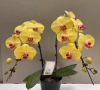
Root rot in Phalaenopsis (moth orchid) after repotting: should you trim the roots and disinfect, or repot again?
I believe many people who grow Phalaenopsis have run into the frustrating problem of root rot after repotting. You meant to give the plant a comfortable new environment, but instead the roots ran into trouble. Watching a once-vigorous Phalaenopsis gradually go limp is enough to make anyone anxious. In fact, as long as you deal with it promptly and adjust your care routine, there is a good chance the Phalaenopsis will recover.
-
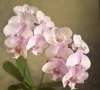
Sphagnum moss for Phalaenopsis needs replacing after long use: how beginners can clean out old moss, choose new moss, and solve yellowing leaves after repotting
Growers of Phalaenopsis know well that sphagnum moss becomes compacted and loses nutrients after long use, and only by promptly replacing it with fresh sphagnum moss can the roots breathe and the plant grow more vigorously. But changing the sphagnum moss is not as simple as just swapping the growing medium: you must first clean out the old sphagnum moss thoroughly, then give the roots a "trim + disinfect" treatment, and finally plant it properly with new sphagnum moss. Every step has its finer points.
-

Can Venus flytraps really catch insects, and are they suitable for growing indoors?
Speaking of the Venus flytrap, plenty of people are probably like me - the first time you see one, it feels novel: this thing looks like a little pair of tongs, can it really catch insects? And is it reliable to keep one indoors? When a Venus flytrap catches insects, that is no bluff - it genuinely has this ability. Look at its leaves: the two lobes at the tip join together, and the edges carry a ring of small spines, just like a mini bear trap. On the inside of this trap there are several thin
-

What are the differences between growing plants in the south and the north? Are the indoor flowers suitable for growing in autumn in the south the same as the indoor plants suitable for growing in autumn in the north?
Indoor plants in autumn in the south and autumn in the north - similar, yes, a bit alike; different, yes, the differences are huge. It is just like how people in the south and north dress in autumn: in the south you might still be wandering around in short sleeves, while in the north people have already started pulling on sweaters, so the "survival needs" of plants naturally differ too. The most intuitive difference is temperature. In the south
-

Should Phalaenopsis (moth orchids) be kept indoors or outdoors in autumn, and can they be repotted and given fresh medium?
As soon as autumn arrives, that Phalaenopsis at home becomes the "focus of attention." Should this plant be kept inside or moved out onto the balcony? You want to give it a new home and some fresh "food," but you're afraid one slip of the hand will kill it - truly worrying. Actually, Phalaenopsis is just like people - it's picky about its "living environment." Its favorite temperature is 15
-

Not enough indoor light and using grow lights to replace natural light, which plants are hard to keep alive in low light?
Not enough light at home, wanting to use lamps to supplement light for plants, does it actually work? Plenty of gardening beginners have probably mulled over this question. Actually, the answer is pretty clear: absolutely yes, but you have to use the right method. When it comes to supplemental lighting, it is not just grabbing any desk lamp and shining it on the plant; what plants need is light of specific wavelengths, mainly blue light and red light—
-
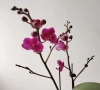
Phalaenopsis Care Guide After Start of Autumn in North and South: Ventilation and Mold Prevention in the South, Moisture Retention and Frost Protection in the North
Once the Start of Autumn passes, Phalaenopsis orchids successively enter their golden growth period and flower bud differentiation period. If you want its branches covered with "butterflies," care must follow the climate - the temperature and humidity differences between North and South are significant, so care methods cannot be generalized! Today I will share practical care tips with everyone; follow them, and your Phalaenopsis will rebloom year after year.
-
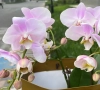
What are the signs of insufficient light in Phalaenopsis orchids? Here's how to handle it correctly
These days, office workers love growing greenery at their desks to relieve stress, and the elegant, easy-to-care-for Phalaenopsis orchid is a favorite for many! But if you don't pick the right spot with proper light at your desk, Phalaenopsis orchids can easily "throw a tantrum," showing poor growth, yellowing leaves, and dropping buds, which is distressing to see and ruins your stress-relieving mood. Don't panic; first understand the specific signs of insufficient light
-
Key planting methods and points from seedling raising to harvest of snake gourd
As a warm and humid-loving vine plant, snake gourd differs considerably from ordinary vegetables in its growth characteristics. To harvest robust snake gourds, you need to focus on several core steps: seed soaking and germination, seedling raising and transplanting, trellising and vine guiding, water and fertilizer management, and environmental regulation. Beginning growers in particular often affect plant growth due to improper handling of details.
-
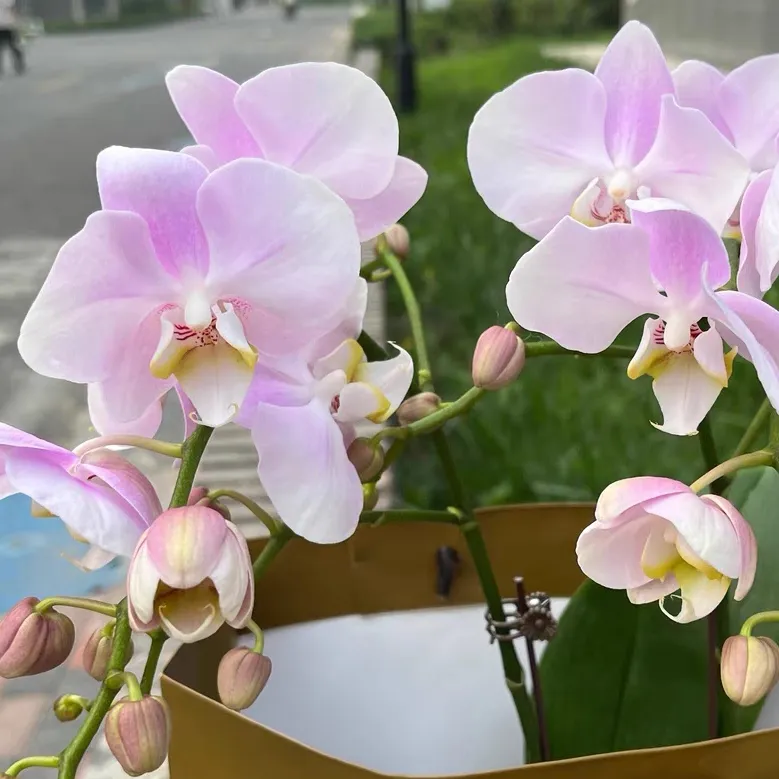
Phalaenopsis Care Guide for Northern and Southern China After the Start of Autumn
# Phalaenopsis Care Guide for Northern and Southern China After the Start of Autumn As soon as the Start of Autumn (Liqiu) passes, Phalaenopsis (moth orchids)
条件筛选