-

Should you trim the roots of a Phalaenopsis? Trim correctly in these 3 situations for strong roots and abundant blooms
If you see the roots in a Phalaenopsis pot either sticking out in a tangled mess, or some turning black and soft, should you trim them or not? Some people think "roots are the life of the flower" and are afraid of harming it by trimming; others think "if you don't cut bad roots, they'll spread" and go at it too harshly. In fact, Phalaenopsis roots shouldn't be trimmed casually - it depends on the situation. Trim correctly and it will
-

Small potted plants for teachers on Teacher's Day: these are pretty and low-maintenance
It's Teacher's Day again, are you still worrying about what to give? If it's too expensive, you worry the teacher won't accept it; if it's too ordinary, it lacks originality. Actually, choosing a small desktop potted plant is perfect! It doesn't take up space and adds life to the office desk. Today I've picked 5 great ones, each easy to care for and likable. Brazil wood: Brazil wood looks really interesting, just a chubby
-

4 Scented Plants to Keep Your Home's Air Fresh and Fragrant
If you also love a fragrant home but don't want to use perfume or incense, then you must try potted plants with their own natural scent! They work as decoration and fill your home with a natural fragrance. Rosemary: its leaves are slender and long, with a fresh herbal scent, a bit like a mix of lemon and pine, and it's especially refreshing to smell. Usually
-
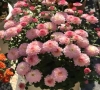
Perennial herbaceous flowers are perfect for planting in autumn: easy to grow and low-maintenance on a small balcony
In crowded cities, small balconies and small flower pots are the "gardening base" for most flower lovers. If you want to keep a limited space vibrant for a long time, perennial herbaceous flowers are definitely the top choice: plant once, enjoy for years, and save yourself the hassle of repeated sowing. Today I would like to recommend 3 kinds of perennial herbaceous flowers suitable for buying in autumn, even beginners
-
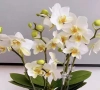
After upgrading the cup of young Phalaenopsis seedlings, learn step by step how to grow strong seedlings, identify roots, and care for them all in one go
When growing young Phalaenopsis seedlings, many flower enthusiasts always think "young seedlings don't need an urgent cup change," and end up stifling the seedlings! Just like this 1.7-inch tissue-cultured seedling at the base, after only 4 months of growing, the roots are already densely emerging and look about to drill out from the bottom of the cup - at this point, it must be upgraded in time, switched to a 2.5-inch cup, to give the young seedling enough
-

7 Beautiful and Safe Plants You Can Keep at Home with Kids and Pregnant Moms Around
Many new moms and moms-to-be want to add some greenery to their homes to freshen the air and lift their spirits, but they often worry about plants being toxic or prickly and hurting the baby or affecting the pregnancy. Today we're recommending 7 "safe" plants that are perfect for homes with kids and pregnant moms, beautiful and low-maintenance!
-

What is the best and most cost-effective substrate for growing Phalaenopsis orchids at home?
Friends who grow Phalaenopsis orchids surely know: "To grow orchids, first grow the roots; to grow the roots, rely on the substrate." Unlike growing pothos or succulents in ordinary potting soil, Phalaenopsis is an epiphytic orchid with aerial roots that need to breathe air. If you use sticky garden soil, the roots will surely rot within half a month. So when choosing a substrate, never be careless. You have to pick those that are breathable, water-retentive yet not root-suffocating, and also cost-effective. After all, we are growing flowers at home, and there is no need to spend a lot of money on fancy but impractical things.
-

Signs of Insufficient Light in Phalaenopsis and the Meaning of the "Crystal Tip"
As we all know, most flowers and plants need light to grow. This is especially true for the elegant Phalaenopsis (moth orchid), but because it is native to tropical rainforests, its light requirements are not too intense. It prefers soft, "dappled light," meaning it should be placed in a bright spot that isn't too sunny. New
-
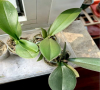
What experience is there in caring for Phalaenopsis orchids? How to care for and manage them after cutting the spike
Flowers bloom and fade, and post-bloom care of Phalaenopsis orchids becomes the top priority. For beginners, what care points should we master after cutting the spike? After cutting the spike of a Phalaenopsis orchid, you need to do a good job with light, watering, temperature, fertilizing and other steps. In detail, light is the plant's "source of energy," and what orchids like is that bright
-

Repotting Sick and Weak Phalaenopsis Orchids Requires Care: Save the Seedlings in These 5 Steps
When a Phalaenopsis orchid's leaves turn yellow and go limp, and its roots are either half rotted or shriveled and lifeless, repotting is the "key to saving its life." But many people panic and act rashly: they just rip off the old medium, casually trim the roots, and switch to a bigger pot, only to find the orchid gets weaker with each change until it dies. In fact, repotting sick and weak orchids
条件筛选