-
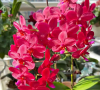
Is Phalaenopsis Dream Girl a small-flowered variety, and how does it differ from Phalaenopsis Buddha's Treasure?
Today I'd like to recommend a red Phalaenopsis - Dream Girl. Phalaenopsis Dream Girl is a small-to-medium flowered variety, and when it blooms it is full of pure, rich Chinese red, a passionate and bold color. A single stem's flowers can stay ornamental for 3 - 4 months; they don't all bloom at once and then wilt, but open in succession. Whether decorating a home
-
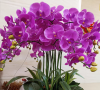
How to grow Phalaenopsis with a weak root system so the roots become thick and strong
If the Phalaenopsis at home has poor roots, do not worry; follow these steps and you can help it slowly recover. 1. Trim the roots and disinfect. Using scissors wiped with alcohol, cut off all the hollow, blackened rotten roots, keeping only the plump, white, firm healthy roots. After trimming, soak the roots in carbendazim solution for half an hour to disinfect, then take them out.
-
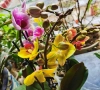
Why Phalaenopsis Orchid Blooms Get Smaller Each Time They Rebloom and How to Fix It
Phalaenopsis orchids are beloved by flower enthusiasts for their elegant blooms and long ornamental period, but many people run into the problem of blooms getting smaller when they rebloom, or even failing to flower at all. 1. Reasons the blooms get smaller on reblooming 1. Nutrients The flowering process of a Phalaenopsis consumes a large amount of nutrients, especially the nutrients stored in the pseudobulbs. If the flowering period ends
-
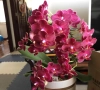
Is the Sweetheart Princess Phalaenopsis a waxy-flowered orchid, and is it easy to grow?
Today I'd like to introduce a highly ornamental waxy Phalaenopsis - Sweetheart Princess. The Sweetheart Princess Phalaenopsis is a small-flowered variety, with delicate, dainty and very cute blooms. Its flower color is a rich, pure true red, bold and flamboyant. The petal surface is covered with a distinctive waxy layer, which makes the petals thick and full of
-

When does a Phalaenopsis produce a flower spike, and what conditions does it need?
When a Phalaenopsis (moth orchid) blooms, it flutters like a dancing butterfly and is extremely ornamental, and the emergence of the flower spike is the key step toward its brilliant flowering period. Many flower-growing enthusiasts wait eagerly but do not know when a Phalaenopsis will produce a flower spike, nor under what conditions this moment will arrive. A deeper understanding of the patterns and the required environment for a Phalaenopsis to produce a flower spike can help us care for it better and enjoy fragrance throughout the room.
-

Will too-high temperatures inhibit flowering in Phalaenopsis orchids, and what consequences will it cause?
Phalaenopsis, as a tropical epiphytic orchid, is extremely sensitive to its growing environment, and temperature is a key factor affecting its growth and development. When the temperature is too high, Phalaenopsis not only struggles to produce beautiful flowers but also faces a series of growth crises. Phalaenopsis is native to tropical and subtropical rainforest regions, and its suitable
-

Can You Buy Post-Bloom Phalaenopsis Orchid Seedlings? How to Identify Them and Whether They Will Bloom
Phalaenopsis, a popular choice in the flower market. Many flower lovers have noticed that there are relatively inexpensive post-bloom Phalaenopsis orchids on the market, so can these post-bloom plants actually be bought? Will they bloom again later? And how can you tell whether a plant is a post-bloom one? From the perspective of price and potential, post-bloom plants are worth buying. Because
-
Caring for Phalaenopsis Orchids After the Blooming Period: Methods and Precautions
Don't rush to throw away your Phalaenopsis orchid after the flowers fade! Master these few care tips, and not only will it quickly recover its vigor, it may even have a chance to bloom a second time. 1. Pruning. 1. Cut at a slant 3-4 nodes up from the base of the flower stem, keeping the nutrient transport channel of the flower spike intact; under the right conditions, new flower buds can emerge in 6-8 weeks. 2. Cut the flower stem straight off right at the base.
-
Why Houseplants Get Fungus Gnats and How to Fix It
The mysterious little black flies that appear around houseplants are scientifically known as "fungus gnats." Although they do not bite people, the adults reproduce quickly and the larvae feed on root systems, posing a serious threat to plant health. To get rid of them completely, you have to tackle the root cause and combine prevention with treatment. Causes of fungus gnats: 1. The pot is too large, so after watering the center area is slow to evaporate moisture, and the roots are prone to oxygen deprivation and rot
-
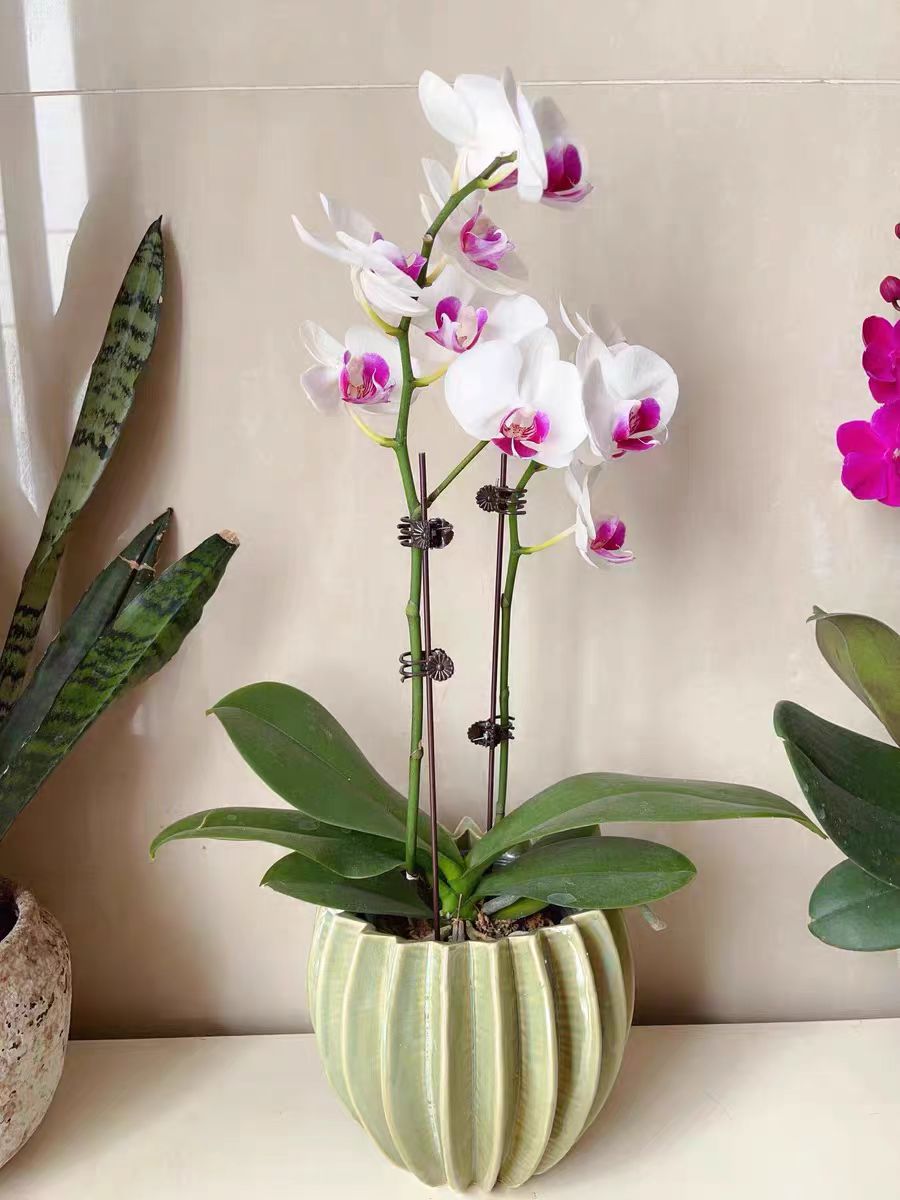
Can post - flowering seedlings of Phalaenopsis be bought and will they bloom?
Phalaenopsis is a popular choice in the flower market. Many flower lovers have found that there are post - flowering seedlings of Phalaenopsis with relatively
条件筛选