-

Can a Phalaenopsis orchid that has been discarded after blooming still be kept alive and made to bloom a second time?
Many people have kept a Phalaenopsis orchid (moth orchid) at home, but many of them don't realize it isn't actually a single-use flower and can bloom again later. Some growers who don't know this assume it's finished after flowering and toss it in the trash, so after every Chinese New Year, or after any major holiday, discarded orchids are easy to find in the rubbish bins.
-

Is carbendazim for flowers and plants harmful to humans? A detailed explanation of its effects and uses
For experienced gardeners, the proper use of fungicides is the most ordinary thing. But for novice flower lovers, they are often prone to gullibly trusting online tutorials, and carelessly get the frequency of use wrong, causing the opposite effect. So, regarding the most common methods of using carbendazim, what issues need attention
-

Can Phalaenopsis Roots Photosynthesize? A Detailed Explanation of Their Functions and Roles
Phalaenopsis (moth orchid) is famous for its flowers. People tend to focus their attention on its gorgeous blooms, yet rarely notice its unique root system. So do Phalaenopsis roots photosynthesize? And what functions do they have? Phalaenopsis is an epiphytic plant, and its roots are completely different from the roots of common plants that grow in soil - they are aerial roots.
-

Is the Phalaenopsis easy to keep alive? Good care and management boost its resistance
The Phalaenopsis is famous for its gorgeous flowers shaped like butterfly wings, and is regarded by many as a symbol of elegance and nobility. Beneath this delicate beauty, for those new to Phalaenopsis, is it actually easy to keep alive? And how can we boost its resistance so that it grows healthily and blooms brightly under our careful care? The Phalaenopsis originates
-

How does the Phalaenopsis orchid absorb water and nutrients?
The Phalaenopsis orchid, whose flowers resemble butterflies with spread wings, has petals that are mostly broad and round, with colors commonly seen in white, pink, purple and multicolored varieties, and an inflorescence that is slender and graceful, giving it high ornamental value. To keep this delicate and beautiful Phalaenopsis orchid growing healthily, it is crucial to understand its mechanisms for water uptake and nutrient absorption. The unique root system of the Phalaenopsis orchid
-
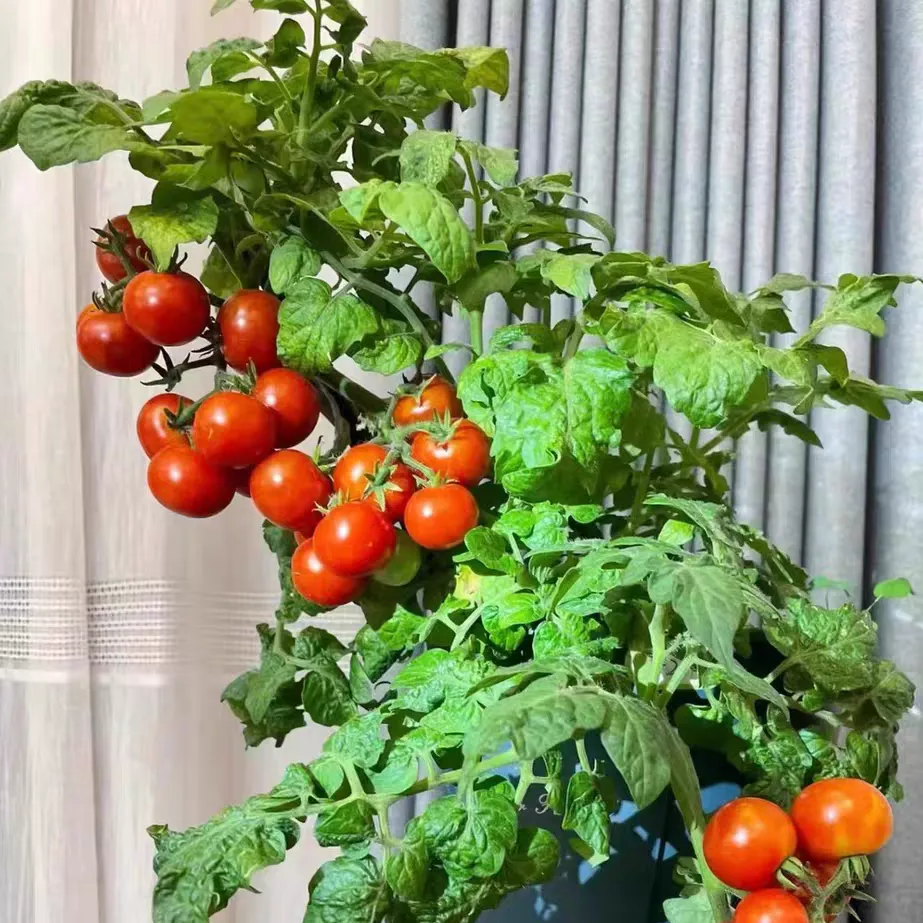
The Differences Between Cherry Tomatoes and Saintly Women Tomatoes (Cherry Tomatoes)
Cherry tomatoes and "Shengnv" tomatoes (a specific type of cherry tomato) both belong to the Solanaceae family and the Lycopersicon genus. Although they are
-
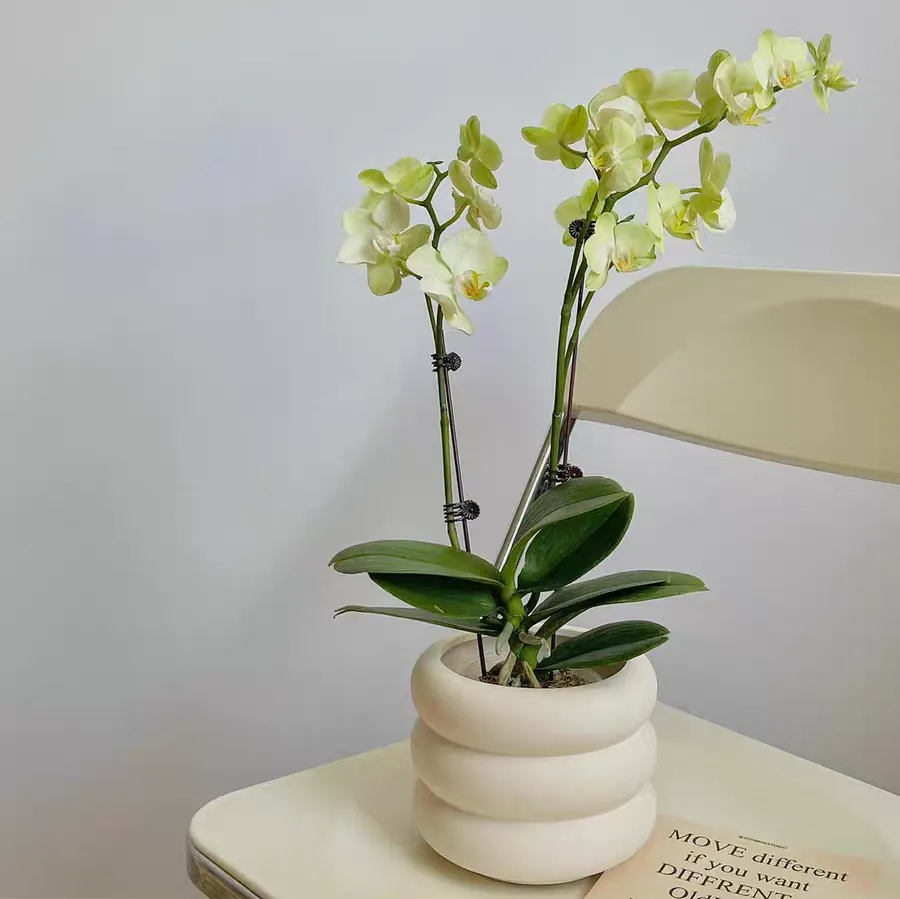
Can withered and yellowed Phalaenopsis (moth orchid) flower buds be saved?
The most frustrating thing about gardening is when the flower buds you've been eagerly anticipating suddenly wilt. Here’s a breakdown of why Phalaenopsis (moth
-

What is the difference between small tomatoes and cherry tomatoes, are they the same?
Small tomatoes and cherry tomatoes both belong to the Solanaceae family, genus Solanum (tomato genus). Although they are closely related, there are significant differences in appearance, taste, nutrition and growing characteristics. The main differences are as follows: Appearance. Small tomatoes: diverse in form, commonly oval, with a slightly slender fruit shape; some varieties are cherry-shaped or date-shaped, with obvious differences in size. Cherry tomatoes: known for their round
-
Can a Phalaenopsis orchid's withered and yellowing buds still be saved? Here's how to remedy it
The worst thing about growing flowers is when buds you've been looking forward to suddenly wilt. Below, let's talk about the causes of withered and yellowing Phalaenopsis orchid buds and how to solve them. 1. Environmental causes. Temperature. Phalaenopsis orchids love a constant temperature environment of 25-28°C during the day and 18-20°C at night. In winter, in a heated room with fluctuating temperatures, or with air conditioning blowing directly on them, the buds immediately freeze and
-

What is the function of a nutrient cup for Phalaenopsis, and is its air permeability good?
In flower cultivation, choosing a suitable growing container is crucial for plant growth. As a popular indoor ornamental plant, Phalaenopsis has particularly specific requirements for container selection during its cultivation. The nutrient cup, as a growing container designed specifically for plant root development, plays an important role in Phalaenopsis cultivation.
条件筛选