-

Introduction to the Characteristics of the Beijing Celery No. 2 Variety
Variety source: Bred by the Huaxiang Kefeng Horticultural Breeding Farm in Fengtai District, Beijing, through multiple generations of single-plant selection from celery varieties introduced from abroad. It passed the Beijing crop variety approval in 1995. Characteristics: The plants grow quickly, are robust and uniform, with no tillering. The plant height is 70-90 cm. The leaves are large and thick, and the leaf stalks are long, solid, and thick, with a crisp and tender texture, few fibers, and good quality. The weight per plant is 0.5-0.6 kg. When grown under protected cultivation, it shows tolerance to low temperature / weak light and resistance to viral diseases. Cultivation points: Suitable for North
-
Key management points for cold-frame peaches in the Beijing-Tianjin region around the Spring Festival
1. Frame-covering period. Because cold-frame peaches have no cold-protection facilities and rely solely on sunlight for warming and the frame film for insulation, the day-night temperature difference is large. The frame-covering period should preferably be around February 20, so that the flowering period is March 25-31 and the peach ripening period is early June, 10-15 days earlier than open-field peaches. For heated cold-frame peach sheds, install 1 heater per 350-450 sq m at the center of the cold frame, burning wood or coal; the gas is discharged outside the frame through the chimney in the middle of the stove, and the air is preheated through the stove's interlayer and then
-
What jujube resources does Beijing have? A detailed guide
Fresh-eating jujubes The jujubes planted in Beijing's urban districts are mainly early- and mid-maturing fresh-eating varieties, such as Langjiayuan jujube, Jidan jujube, Gaga jujube, Mayabai jujube, Hongcunbai jujube, Changxindianbai jujube and others. They ripen around the Mid-Autumn Festival on the 15th day of the 8th lunar month (mid-September on the solar calendar). Old Beijingers call this "beating big jujubes on August 15." Langjiayuan jujube is a native and famous product of Beijing and one of the most suitable famous jujube varieties for fresh eating. Its fruit shape is well-proportioned and attractive, its juice is sweet, its flesh is crisp, and its stone is small. When fully ripe it turns entirely red. In the Qing Dynasty it was a tribute to the imperial palace. Its economic value
-
The yew is a landscape tree species recommended for the Beijing Olympics
The yew, also known as the Chinese yew, is an ancient relict plant of the Taxaceae family, enjoying the reputation of "living fossil" and "golden tree." It has a very small natural distribution in both northern and southern China and is listed among China's eight rarest and most endangered first-class protected plants. The yew is not only rare but also has extremely high ornamental and medicinal value. Its trunk is straight, and in pots, pinching the top controls it to a suitable height, with numerous dense branches; planted in the ground, it can reach up to 20 m tall, with a handsome tree form, branches evenly and orderly distributed, and needle-shaped leaves that are thick and glossy, evergreen year-round, symmetrically arranged on the branchlets, elegant and
-
Beijing Water Honey Jujube Variety Characteristics and Origin Introduction
If you want to eat sweet jujubes, choosing this kind of jujube will definitely not go wrong. It is called Beijing Water Honey Jujube, also known as Small White Jujube and September Fresh. Its soluble solids content reaches 30%, total sugar content is 27.02, and acid content is only 0.56%, so it tastes crisp, sweet, fresh and tender, as sweet as honey. Besides tasting excellent, this Beijing Water Honey Jujube also looks good. Look, its oval shape, uniform size, smooth and delicate peel, glossy, without blemishes, and the peel is as thin as paper. When ripe, the color
-
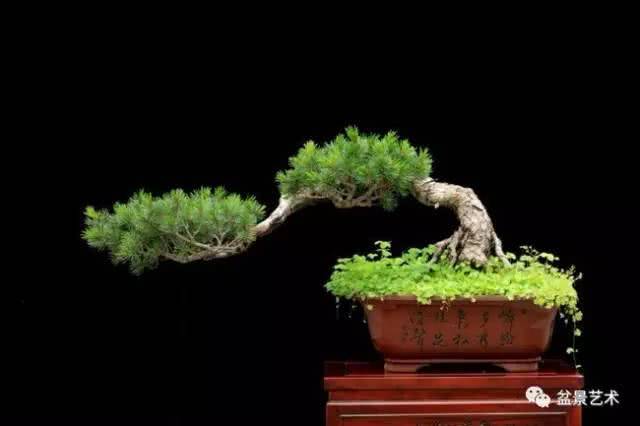
What are the stylistic characteristics of Beijing-style bonsai
Although the Beijing bonsai school has not been established for long, it actually has a history of several hundred years. In the Ming dynasty, Wang Shihmao wrote in Xuepu Zashu: "In the capital there are many thousand-year-old families; among the bonsai one sees a green Caoyu Butterfly Plum, the finest of plums." In the Qing dynasty...
-
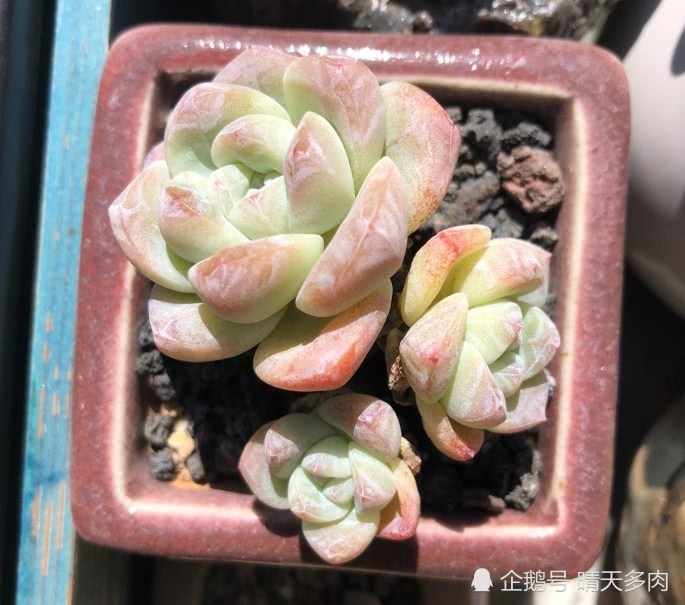
It's the perfect time for winter care of succulents in Beijing, so cherish them while you can
Beijing is in the north, with four distinct seasons, and succulents show their states just as distinctly through the seasons.... After a summer of color, early autumn is when succulents slowly take on a new look, but autumn is too short and winter is coming soon. Growing succulents in greater Beijing means you have to cherish this happy stretch of time...
-
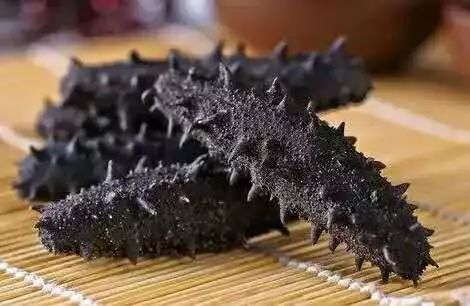
Sea Cucumber Sold at Cabbage Price: A Beijing Woman Snags a Great Deal
A true story from a Beijing woman! Liu, a 53-year-old woman from Beijing, is a seasoned health enthusiast. She eats sea cucumber every year to nourish her body. This year, an old classmate recommended her the WeChat of an old sea cucumber farmer who lives in Dalian and has worked with sea cucumbers for over twenty years...
-
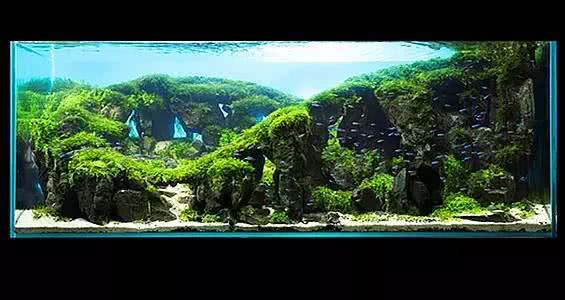
Beijing's Bird's Nest moved into a tank - this aquascaping skill is amazing
Tank setup process: find reference images, brainstorm, draw a concept sketch, display the concept sketch, prepare materials: ultra-clear tank, stone materials, lay the substrate (put filter media into mesh bags and spread them on the tank bottom), lay a layer of mesh over the filter media, arrange stones on the mesh, place the stones one by one according to the original concept...
-

A 70-year-old man grows flowers beside the imperial city, creating the most amazing sky garden in all of Beijing
Nowadays, whenever people mention that someone has built a garden, flower lovers sigh: they must be so rich. For ordinary people, having a place to live is good enough, let alone a garden. The elderly gentleman Huahua wants to introduce today not only has a garden, but a 5-story sky...
条件筛选