-

China's first batch of transgenic cloned cattle successfully bred offspring in Beijing
China's first batch of transgenic cloned cattle successfully bred offspring in Beijing
-
Beijing uses melon pads to solve the "two-sided melon" problem
Beijing: melon pads solve the "two-sided melon" problem
-
China Selenium-Enriched Agriculture Industry Technology Innovation Alliance Established in Beijing
China Selenium-Enriched Agriculture Industry Technology Innovation Alliance Established in Beijing
-
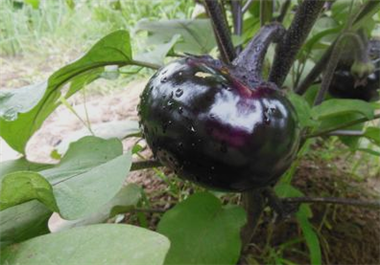
Zhang Xipo Brings Suning Eggplants to the Beijing Market
Zhang Xipo Takes Suning Eggplants to "Conquer" the Capital
-
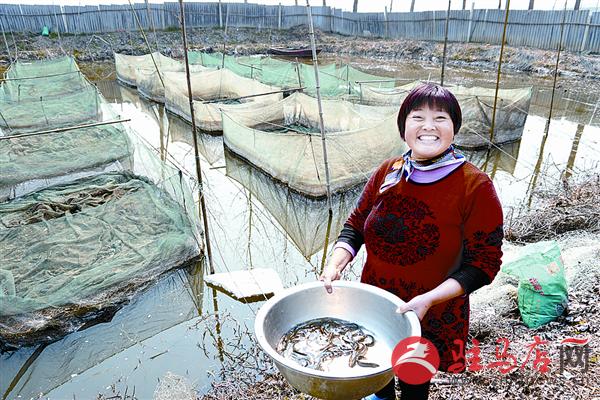
Loach farming sets poor households on the road to prosperity, with adult fish sold as far as Beijing, Shanghai and Guangzhou
Poor household rises to prosperity by farming loaches, selling adult fish to Beijing, Shanghai and Guangzhou
-
Dutch tulips entering Beijing carry a virus that infects 215 plant species
Recently, the Plant Inspection and Quarantine Center of the Beijing Entry-Exit Inspection and Quarantine Bureau detected the class II quarantine pest, Arabis mosaic virus, for the first time in tulip bulbs imported from the Netherlands. According to quarantine officials, this virus spreads easily and is extremely harmful. The relevant authorities have now fumigated this batch of tulip bulbs. It is understood that Arabis mosaic virus is a virus that spreads and proliferates very easily, and is mainly distributed in Europe, the Americas, Oceania and Japan. It has a wide host range and can infect 215 plant species in 174 genera, harming vegetables, flowers,
-
Introduction to the Beijing Wanmi Peach Variety and Its Ripening Period Characteristics
Variety source: Bred by the Beijing Academy of Agriculture and Forestry Sciences. Characteristics: The fruit is nearly round, with an average single fruit weight of 230g and a maximum of 350g. The fruit apex is round, and the suture line is shallow. The fruit skin has a yellow-white background color, with more than one-half of the fruit surface covered in purplish red. The flesh is white, firm-melting, juicy, and sweet, with a sugar content of 12-16%. Clingstone. Ripens at the end of September. The tree is vigorous and semi-spreading. Cultivation points: Pay attention to rational fertilization, allow appropriately dry conditions during management, and pay attention to drainage. Trial demonstration situation: The cultivation area in the Pulandian area is 300 mu.
-
A Detailed Guide to the Processing and Making of Beijing Roast Duck
Beijing Roast Duck is a famous specialty of Beijing, made from Beijing force-fed duck. The product is characterized by golden, glossy skin, white, fine and tender meat, and crisp skin with fragrant meat. Its process flow is: raw material preparation -> scalding the skin and applying color -> air-drying the carcass -> roasting -> removing from the oven and brushing with oil. 1. Raw material preparation: select a healthy duck of 2.5-3 kg, slaughter it by the method of cutting the three tubes, then remove the feathers and internal organs, cut off the duck feet and wings, and wash clean with water. 2. Scalding the skin and hanging color: after pouring boiling water over the duck body 4 times, pour maltose water (maltose:water = 1:6) over it.
-
What special qualities does the Beijing duck have? A detailed guide
Special qualities: Beijing duck meat is rich in taurine, with more than 500 micrograms of taurine per gram of duck breast meat, which can promote the growth and development of infants and young children and help prevent and treat high blood pressure and diabetes; Beijing duck meat is rich in alpha-linolenic acid, which can be converted into EPA and DHA (brain gold), and all three help lower blood lipids and blood viscosity and reduce the occurrence of cardiovascular and cerebrovascular diseases such as coronary artery embolism, vascular sclerosis, stroke, and high blood pressure, while also having a good preventive effect on diabetes and skin diseases. Breed characteristics
-
Cultivation Techniques for Shiitake Mushrooms Intercropped in Fast-Growing Plantations in Beijing
In order to protect and improve the ecological environment of the capital, artificial fast-growing plantations in the suburbs of Beijing have developed rapidly in recent years. Because the time required to grow timber is relatively long, there is a contradiction between farmers' short-term benefits and the long-term benefits of afforestation, which has affected farmers' enthusiasm for planting trees and establishing forests. Therefore, effectively using idle land resources between the trees to develop edible mushroom production is an effective way to accelerate the prosperity of afforestation farmers. Taking shiitake mushrooms as an example, this paper introduces cultivation techniques for intercropping edible mushrooms in fast-growing plantations. 1 Selection of cultivation site The fruiting body development stage of shiitake mushrooms intercropped in woodland occurs in the forest, and moderate scattered light is
条件筛选