-
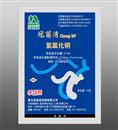
What are the effects and benefits of the copper hydroxide fungicide?
What does the fungicide copper hydroxide do? Please introduce it. Fungicide copper hydroxide: other names include Kocide, Guan Jung Tong, Feng Hu An, etc. Common formulations include 77% copper hydroxide wettable powder, 57.6% copper hydroxide dry granule, 37.5% copper hydroxide suspension concentrate, and 25% copper hydroxide suspension concentrate. Currently in agriculture...
-
Can fungicides be mixed with microbial pesticides?
Can fungicide pesticides be mixed with microbial pesticides? Please explain that fungicide pesticides cannot be mixed with microbial pesticides. Because many fungicides have a killing effect on microorganisms, mixing them easily makes the microbial pesticide ineffective. In addition, you should also note: for varieties that are themselves compounded pesticides, before use you need to understand their...
-
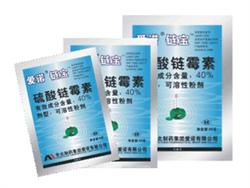
What are the methods for identifying the fungicide streptomycin?
How do you identify the fungicide streptomycin? Please provide guidance on the methods. Identifying genuine versus fake streptomycin pesticide is not difficult as long as you master the identification methods. Several simple physical identification methods are described below: 1. Hand-rubbing method: Genuine streptomycin fungicide does not feel slippery when touched by hand and becomes sticky after a certain period of time. Fake pesticide feels smooth when rubbed between the fingers, ...
-
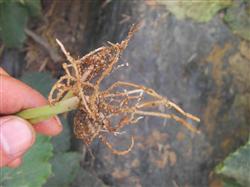
What precautions should be taken when drenching roots with fungicides? Correct operation is key
What issues should be noted when drenching roots with fungicides? Please explain. To prevent vegetable root diseases, vegetable growers commonly drench roots with fungicides. Although the effect is good, certain precautions during root drenching must not be ignored, otherwise there will be side effects. First, greenhouses that have already used bacterial fertilizer should try not to use fungicide root drenching for disease prevention. For...
-
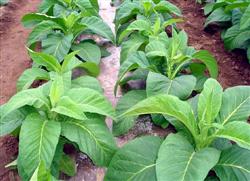
What are the precautions for drenching roots with fungicides?
What should be noted when drenching roots with fungicides? Please give an introduction. Drenching roots with fungicides is a simple and easy effective measure for controlling crop root diseases. But the following points should be carefully noted when drenching roots. Drug selection should be reasonable: choose fungicides with strong specificity and high disease-control efficacy; do not use drugs blindly...
-
Why should you not water before and after drenching the roots with fungicide?
Why should you not water before and after drenching the roots with fungicide? Here are the reasons. Before drenching the roots with fungicide, you should not water. First, because the root disease of the crop has already occurred; if you water, the pathogens will spread with the flowing water, causing more dead plants. Second, because watering easily leads to reduced soil aeration, root oxygen deficiency, and...
-
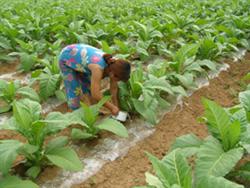
What precautions should be taken when applying fungicides as a soil drench to prevent pests and diseases?
What should be noted when applying fungicides as a soil drench to prevent pests and diseases? Here is an introduction. When applying fungicides as a soil drench to prevent pests and diseases, note the following points: 1. The choice of product must be reasonable: choose a fungicide that is highly targeted and has a strong disease-control function. Do not use products blindly; minimize waste as much as possible and avoid delaying the timing of control...
-
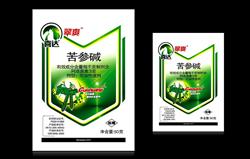
What Are the Functions of Fungicides? A Full Breakdown of Their Main Effects and Uses
What are the functions of fungicides? Please explain. Fungicides work in two ways: first, protective fungicides, and second, systemic fungicides. Protective fungicides contact the pathogen directly outside or on the surface of the plant, killing or inhibiting the pathogen so that it cannot enter the plant, thereby protecting the plant from disease...
-
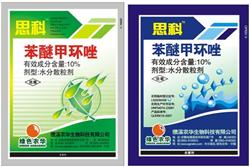
What kind of fungicide is difenoconazole?
What is the fungicide difenoconazole? Please give a detailed introduction. Difenoconazole is also called benzene ring azole. It is a triazole systemic fungicide with a broad fungicidal spectrum, providing lasting protective and curative action against ascomycetes, basidiomycetes, and including Alternaria spp., Ascochyta spp., and certain seed-borne diseases. It is safe for crops and used for seed...
-
Which crops is the fungicide chlorothalonil suitable for?
On which crops can the fungicide chlorothalonil be used? Please give an introduction. The fungicide chlorothalonil can be used on the following crops: 1. Control of rice blast. To control leaf blast, start spraying when disease centers appear in the field, then spray again after 7 days. To control panicle blast, spray once each at the booting stage and the full heading stage of rice. Each time per...
条件筛选