-

Cultivation Methods and Management Techniques for Thai Mesona
Organic Cultivation and Management of Thai Mesona Plant Characteristics Mesona (Mesona procumbens Hemsl.) is a member of the Lamiaceae (Labiatae) family and is either an annual or biennial often cross-pollinated crop. Its plant types include three forms: erect, semi-erect, and prostrate. Its leaves are ovate, elliptical, and long
-
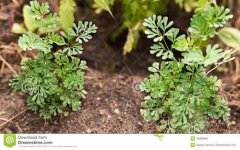
A Detailed Guide to Herb Cultivation Techniques: How to Grow Herbs Well
Organic Herb Cultivation The Kaohsiung District Agricultural Research and Extension Station states that Taiwan is currently experiencing a herb craze, with herbs being fully applied to daily life in eating, drinking, play, and entertainment; to align with the government's leisure agriculture policy, the Kaohsiung Station is developing industries suited to rural characteristics in response to the impact after joining the WTO
-
When to plant organic edamame? Master the right climate and sowing time
Edamame is an excellent health food, rich in protein, vitamins, etc. Besides being stir-fried as a vegetable, it can also be eaten as a snack. The annual production in this province is about 60,000 metric tons, most of which (80%) is exported. Trial cultivation was carried out in the Yilan area from 1991 to 1993 (the 80th to 82nd years of the Republic of China calendar), and the results showed that this
-
How to prevent and control common corn pests and diseases? A detailed explanation of prevention and control measures
Pest and Disease Control Strategies for Organic Corn Cultivation The diseases that easily occur during corn cultivation are leaf spot, smut, rust, and mosaic virus, while the pests include corn borers and aphids. The occurrence of pests and diseases is closely related to climatic conditions, so the timing of control should be decided according to climatic factors and field diseases
-
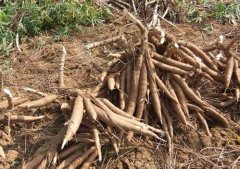
What Is Cassava? The Benefits and Effects of Cassava and Whether It Is Yam
Organic Cultivation of Cassava. Cassava, an erect shrub, 1.5-3 m tall; tuberous roots cylindrical. Leaves papery, outline nearly circular, palmately parted almost to the base, lobes 3-7, oblanceolate to narrowly elliptic, apex acuminate; petiole 8-22 cm long, slightly peltate, with inconspicuous fine ridges; stipules triangular-lanceolate, entire or with 1-2 bristle-like fine lobes. Panicles terminal or axillary, bracts linear-lanceolate; calyx purplish red with a white powdery bloom; male flowers: calyx about 7 mm long, lobes oblong-ovate, subequal, hairy inside; stamens 6-7 mm long, anthers tipped with short white hairs; female flowers: calyx about 10 mm long, lobes oblong-lanceolate, stigma recurved, fan-folded. Capsule elliptic, surface rough, with 6 narrow wavy longitudinal wings; seeds about 1 cm long, more or less trigonous, seed coat crustaceous, mottled, smooth. Flowering period September-November.
-
A Detailed Guide to Organic Tea Cultivation Techniques and Tea Garden Management Essentials
Organic Tea The significance of organic cultivation in tea gardens lies in avoiding the use of synthetic chemical pesticides and chemical fertilizers to produce tea; its purpose is to safeguard the health of cultivators and consumers and to protect the Earth's ecological environment. The method of organic cultivation in tea gardens lies in using
-
Detailed Explanation of Rice Cultivation Management Techniques and Fertilization Methods and Application Rates
Fertilizer Management in Organic Rice Cultivation I. Fertilizer management is an important part of rice cultivation, and the fertilizer management in organic cultivation mainly consists of replacing chemical fertilizers with organic fertilizers, but improper application of organic fertilizers often causes poor growth in rice, such as
-
Detailed Guide to Loofah Cultivation, Pruning Techniques and Planting Seasons
Organic Loofah and Angled Loofah Cultivation and Management Techniques Loofah planting season: Loofah is a vegetable variety that can be planted in all four seasons, and its requirements for season are not strict, but it does have certain requirements for planting time. Note that loofah should not be planted during the transition between seasons, so it is generally started around February in spring or in late May in summer, in early September for autumn, and for winter it is not recommended to plant.
-
What causes deformed eggplant fruits? How to prevent and control them
During eggplant production, it is common to see eggplant fruits that are curved, cracked, or hard as stone. The causes are mainly influenced by variety, plant vigor, environmental factors, and cultivation techniques. Research indicates that the minimum temperature for eggplant pollen germination and pollen tube elongation
-
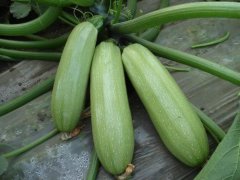
How to grow cucumbers? A detailed guide to the planting time and methods of cucumbers
Fertilizer management techniques for organic cultivation of small cucumbers. Cucumber is a vining plant of the genus Cucumis in the gourd family. The cultivated area in Taiwan, China is about 3,000 hectares or more, divided into two main categories: large cucumbers and small cucumbers. Small cucumbers, also called baby cucumbers or flower cucumbers, are cultivated in Yilan and Hualien counties
条件筛选