A Detailed Introduction to Bonsai: Getting to Know the Garden Art of Seeing the Big in the Small
Bonsai is a traditional art that condenses natural scenery into a pot, and it is often called three-dimensional painting and silent poetry. Using trees, rocks and soil as its main materials, it recreates the wild beauty of mountain forests and the scenery of gardens within a small space through design, pruning and wiring; seeing the big in the small is its most prominent feature.
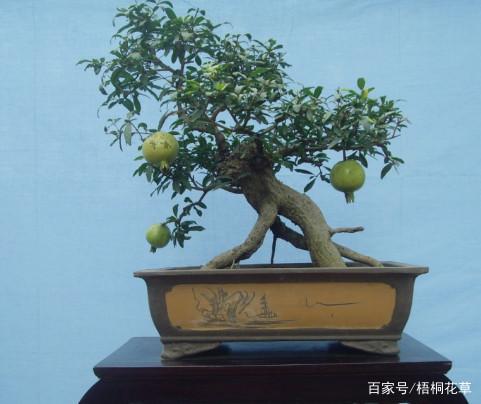
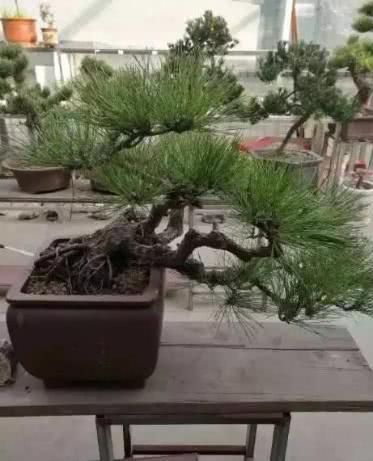
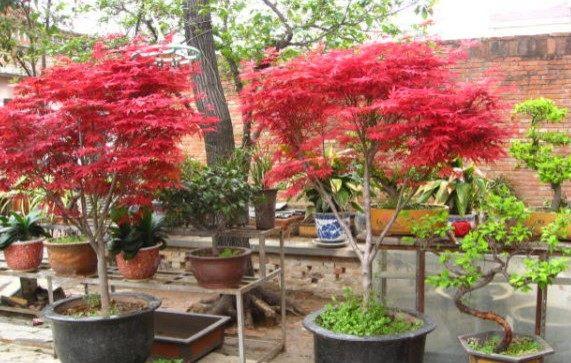
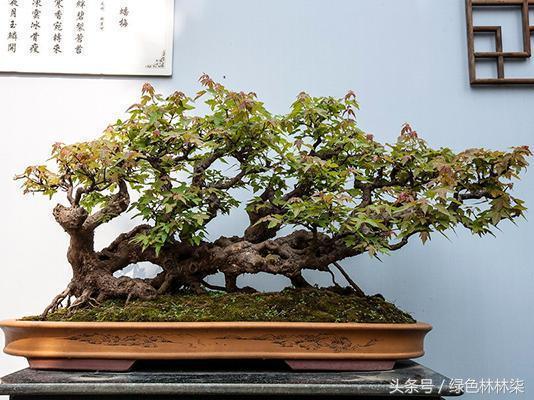
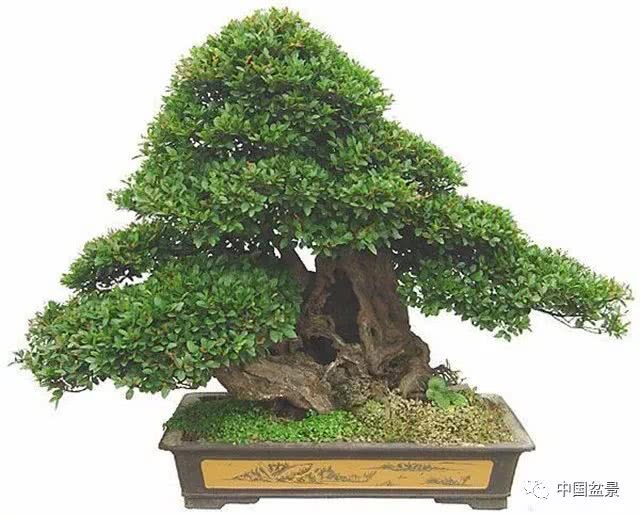
In terms of categories, bonsai can be broadly divided into two major types: tree bonsai and landscape bonsai. Tree bonsai takes plants as its main subject, with common types including pines and cypresses, deciduous trees, and flowering and fruiting types; landscape bonsai focuses on rocks, combined with water, soil and small accent plants, to create a miniature landscape scene. The same tree species can present very different styles after different shaping treatments.
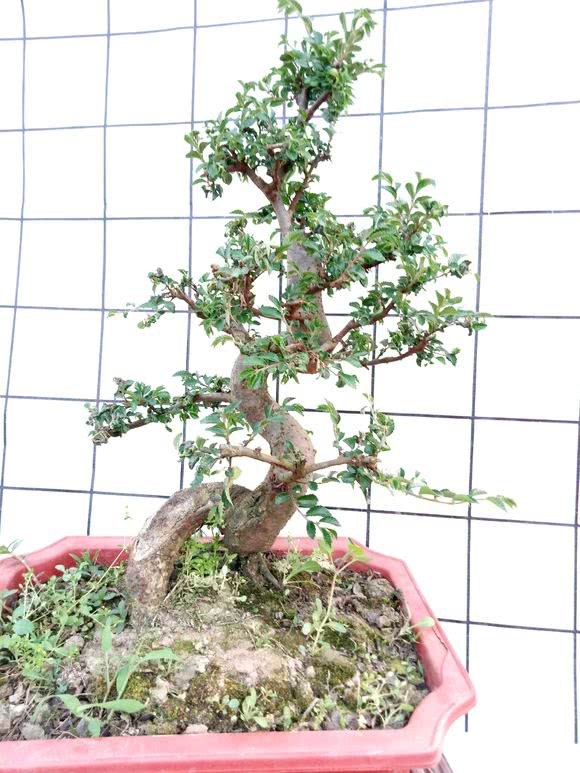
In terms of care, because the pot soil is limited, the water and fertilizer management of bonsai is more meticulous than that of ordinary potted plants. Generally, suitable light should be arranged according to the tree species, watering should follow the principle of drying before watering and keeping it moist after, and regular pruning, bud pinching and repotting are needed to maintain a stable tree shape. Beginners can start with tree species that tolerate pruning well and are highly adaptable, then gradually learn shaping techniques such as wiring and pruning.
A mature bonsai often requires years of care, and its tree shape keeps changing over time, which is exactly where its charm lies. It can serve both as an ornamental item for home display and as a work of art that carries the spirit of garden making; placed on a balcony, in a courtyard or in other spaces, it can add a touch of nature to life.
Related Reading