Types of Plant Stands and Buying Tips: Saving Space and Looking Better on the Balcony
A plant stand is a support-style piece of furniture used to hold potted plants or give climbing plants something to cling to, and it is commonly seen on balconies, in courtyards, on rooftop gardens and in indoor corners. It allows flowers to be displayed in three dimensions, which both saves limited floor space and lets the greenery rise and fall in pleasing tiers, noticeably improving the overall ornamental effect.
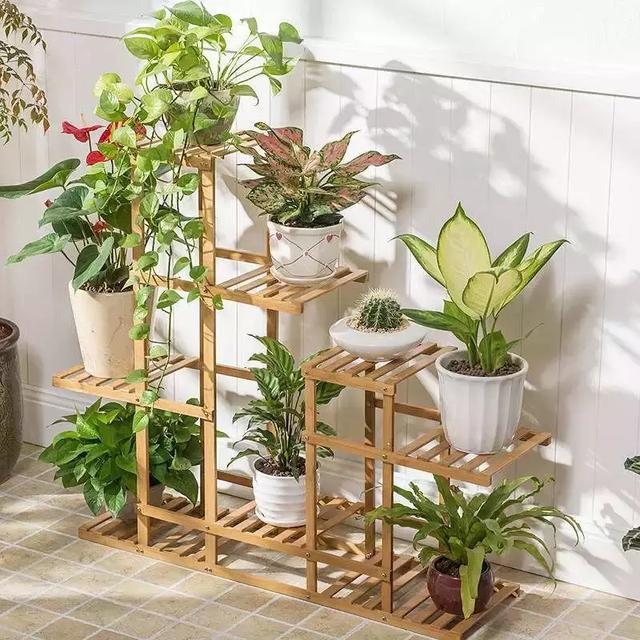
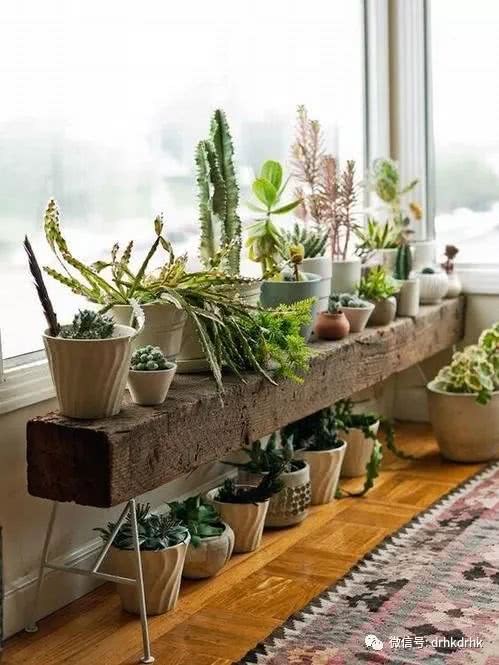
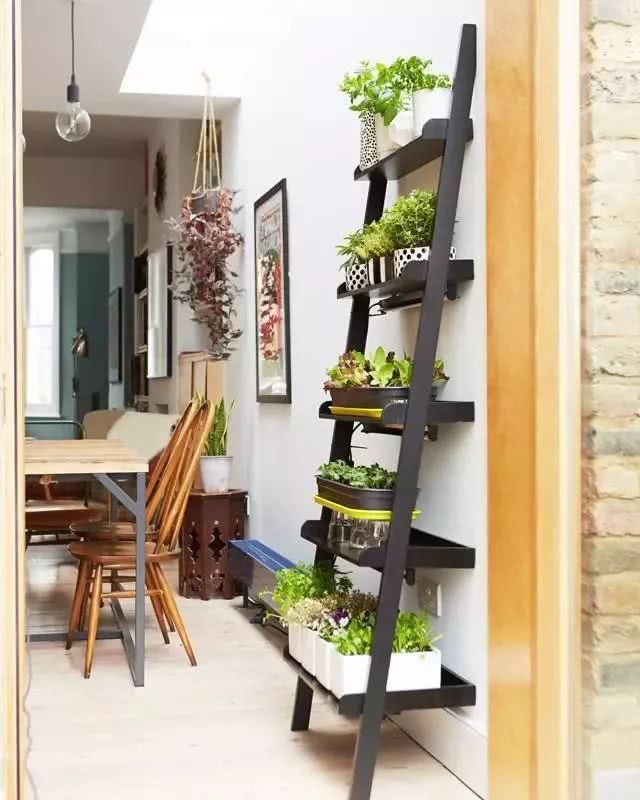
In terms of material, common plant stands come in types such as wrought iron, preservative-treated wood, bamboo and plastic. Wrought-iron stands are sturdy and durable with a wide variety of shapes, wooden stands feel natural and cozy and fit courtyard settings very well, and plastic and tubular stands are lightweight and moisture-resistant, making them very suitable for DIY modification too. By structure, there are also floor-standing multi-tier, stepped, wall-mounted, hanging and column styles, which can be chosen flexibly according to the size of the space and the habits of the plants.
When buying a plant stand, you should first measure the dimensions of the spot where it will go, and pay attention to whether the tier height and load capacity meet the needs of large potted plants. For stands placed outdoors, waterproof and sun-resistant performance should be the priority, metal parts are best given rust-proof treatment, and wooden parts should ideally use preservative-treated wood or be well protected with a coating. For households with limited balcony space, wall-mounted or corner multi-tier models can be chosen to make full use of vertical space.
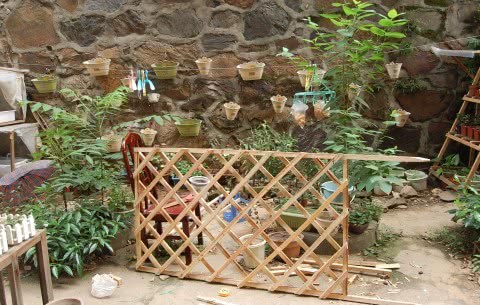
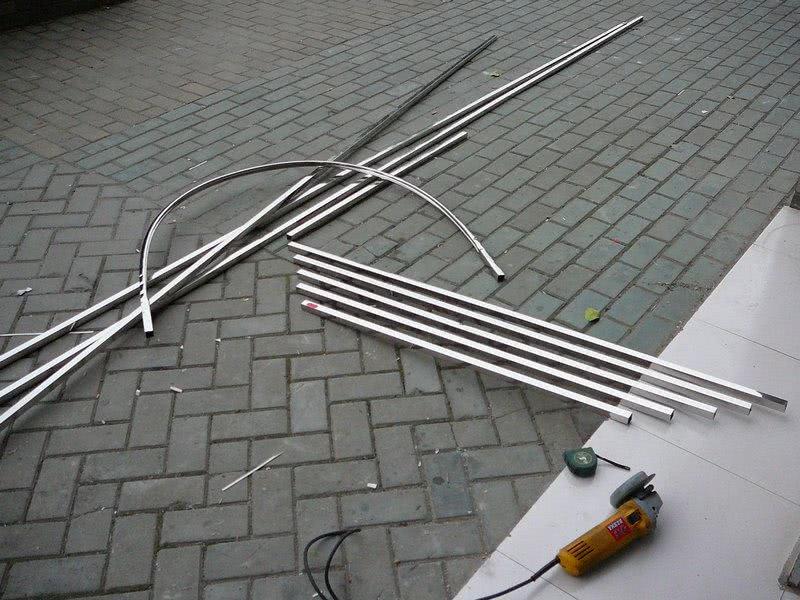
The daily upkeep of a plant stand is not complicated; just regularly check whether the screws are loose and whether the welded joints have any rust. Wooden stands can have their anti-rot paint touched up every so often, and any rust found on wrought-iron stands should be sanded and treated promptly. Those who enjoy working with their hands can also make their own plant stands from scrap wood, water pipes or wire, which is both economical and practical and full of personality, and is a small project many gardening enthusiasts are happy to try.
Related Reading