Why Is the Strawberry the Queen of Fruits? A Full Breakdown of Japanese Strawberries' Sweetness, Low Calories and Nutrition
The strawberry is a red fruit. Strawberry is the general name for plants of the genus Fragaria in the rose family (Rosaceae), a perennial herbaceous plant, with more than 50 known species worldwide, native to Europe. The cultivation method now commonly used is generally potted strawberry cultivation and management techniques. Different
The strawberry is a red fruit. Strawberry is the general name for plants of the genus Fragaria in the rose family (Rosaceae), a perennial herbaceous plant, with more than 50 known species worldwide, native to Europe. The cultivation method now commonly used is generally potted strawberry cultivation and management techniques.
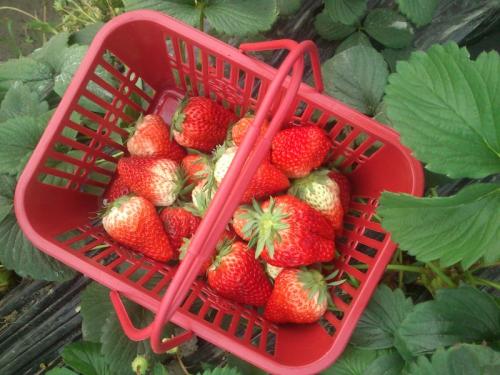
Unlike most fruits, which develop from the ovary, the strawberry's fruit develops from the receptacle; it is heart-shaped in appearance, bright red and tender, with juicy flesh, a sweet-and-sour taste and a distinctive fruity aroma. Because strawberries excel in color, aroma and taste, and are also highly nutritious, people have hailed them as the "Queen of Fruits."
In Taiwan, China, Dahu Township in Miaoli County is famous for its strawberries; besides fresh strawberries, farmers also actively develop strawberry-related products such as strawberry jam, strawberry wine and strawberry ice, and the newest launch is "strawberry meatballs"!
How are Japanese strawberries graded?
The grade is not measured by sweetness; rather, the heavier the weight and the more uniform the shape, the more expensive the price. Japanese strawberries on the Hong Kong, China market are roughly divided into L, 2L, 3L, G and DX, and the grade can be found on the original carton. The common sizes on the market are 2L and 3L, which are medium-grade goods. As for the largest DX grade with the most perfect appearance, it is the most expensive and is mostly used for gift boxes.
Myth 2 - How is sweetness measured?
Sweetness is generally measured by the Brix scale, and different varieties have minimum sweetness requirements; if they do not meet the standard, they cannot be sold as whole berries. But sometimes a variety with high sweetness does not taste sweeter than one with lower sweetness, simply because acidity affects the overall flavor.
Myth 3 - Japanese strawberries are especially clean
At present, Japanese strawberry cultivation uses organic fertilizer and natural methods to repel insects, but a small amount of pesticide is still used; it is recommended to rinse with water before eating and then soak in salt water, which is the most reassuring way to eat them.
Myth 4 - Is it true that they are low in calories and highly nutritious?
Strawberries are rich in vitamin C, which helps boost immunity, and each berry has only 4 calories on average, so you need not fear gaining weight; they also contain the natural pigment "anthocyanin," which has an antioxidant effect.