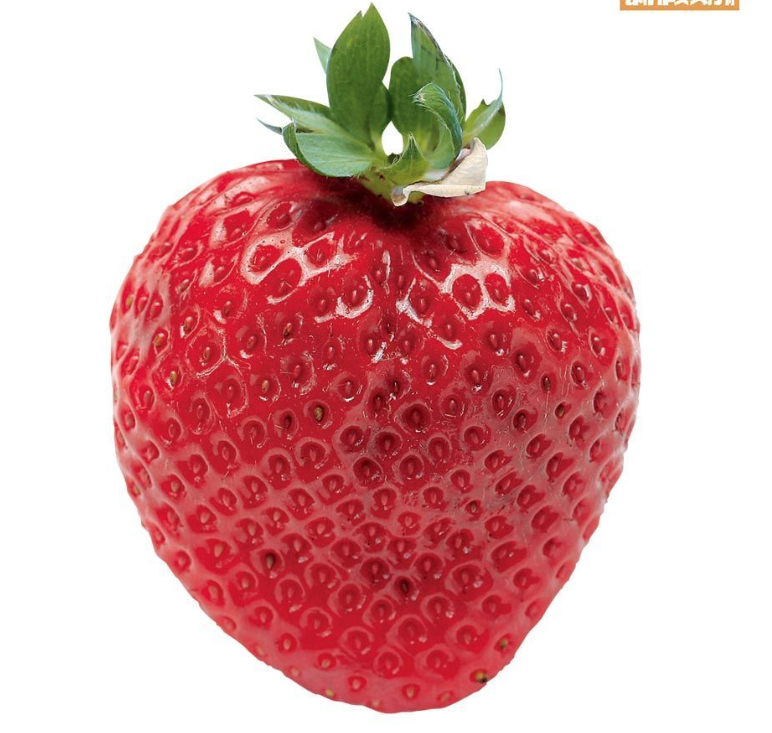
Strawberry is also called strawberry; planting methods and the use of organic and inorganic fertilizers
Strawberry is also known as strawberry. The plant is short and low-growing, and at planting time it has more than 8 true leaves. The method for growing strawberries in pots is also relatively simple. It blooms from late winter to spring. The flowers are white. It can be grown in the open ground, appreciated as a potted plant, and its fruit can be eaten. Propagation and Cultivation (Propaga
Strawberry is also known as strawberry. The plant is short and low-growing, and at planting time it has more than 8 true leaves. The method for growing strawberries in pots is also relatively simple. It blooms from late winter to spring. The flowers are white. It can be grown in the open ground, appreciated as a potted plant, and its fruit can be eaten.
Propagation and Culture
The optimum growing temperature for strawberry is about 15 - 25 degrees. It likes warmth and dislikes high temperatures and excessive moisture, so it is best grown in a small greenhouse.
The best way to grow strawberry is, of course, division. During the planting period, the plant produces horizontally growing plantlets on the soil surface for asexual reproduction, called stolons, also known as runners; wherever a node touches the ground, roots will grow. Cut off the self-grown buds on the vigorously growing rooted stolons with a knife and plant them in moist potting soil. Because the plant will keep producing stolons, if you do not want the plant to grow in a messy tangle, avoid letting the stolons touch the soil. This can be done by covering the soil surface with straw or bark, or even with tape.
Division and transplanting are best done on a clear morning. After division and transplanting, the first watering should be a "thorough watering" (water until it comes out of the drainage holes). For the first one to two days, place it in a shaded spot with reflected sunlight and avoid direct sunlight. Keep the soil moist, and an independent strawberry plant will grow. Fertilizer should only be applied two weeks after division and transplanting.
If starting from seed, the seeds should be spread evenly over moist potting soil. The soil should be kept moist. Seeds need light to germinate, so they must not be covered. The optimum germination temperature is about 20 - 25 degrees. The germination rate is usually only about 50%, and it will drop further due to factors such as water, fertilizer, soil and climate. Therefore, it is best to sow more than 5 seeds per pot each time. The seeds germinate in about 15 - 20 days, and when there are 4 - 5 true leaves they can be transplanted into connected seedling pots.
Soil
For potting soil, fine peat soil, fine fern sawdust, or sandy loam can be used.
At planting time, well-drained loam can be prepared by mixing it with organic matter at 5:1. It can also be further prepared by mixing 10 parts soil with 1 part medium-fine charcoal crumbs to increase drainage and add organic matter.
Charcoal crumbs
Charcoal crumbs have an antibacterial effect. Their high air permeability can also absorb excess fertilizer and pesticides in the soil. Charcoal crumbs can also improve the pH of the soil; this slightly alkaline charcoal is very suitable for the growth of microorganisms and beneficial bacteria in the soil. Besides being used in soil mixes, it can also be placed at the bottom of the pot to prevent soil loss when watering.
Irrigation
Besides the leaves, the roots of a plant also need to breathe. The soil itself is permeable, but every time you water, the oxygen in the soil is pushed out. If the soil retains a large amount of water for a long time, it will affect the oxygen content in the soil, leading to poor root respiration, disease and root rot, so it is best to keep the roots well aerated. However, if the soil is not watered thoroughly for a long time, the roots can also lose water, dry out and die. Therefore, you should aim for alternating dry and wet periods, dry-dry-wet-wet, and never allow water to accumulate under the pot. Standing water not only affects root respiration but also easily breeds mosquitoes. In summer, also be careful not to let heavy rain wash over the plants, to avoid waterlogging and root rot. Watering should be reduced in spring and autumn, and during the winter dormant period watering must be strictly controlled: do not water if the potting soil is not dry. If the potting soil is often wet and the temperature is also low, it can also cause root rot.
Not all plants need to be watered every day; it depends on the variety, the size of the plant and its health condition. The general principle is "water when dry, do not water when not dry, and water thoroughly when you do water." Dry means the surface layer of the potting soil has dried out, but when you uncover the surface soil you can still see moisture. "Water thoroughly" means watering until water comes out of the drainage holes. The watering cycle is determined by the wet-dry cycle of the soil. The denser the plant's wet-dry cycle, the healthier and stronger the plant is; the sparser the plant's wet-dry cycle, the lower the transport capacity of the plant's roots.
Besides the principle of not watering when not dry, water temperature, water quality and the amount of water also need attention. As for water temperature, never let it differ too much from the soil temperature. If you pour cold water under the scorching sun and high temperature, the plant will immediately suffer "physiological drought" and its leaves will scorch and wilt. It is best to choose appropriate times in the morning and evening to water, or to adjust the water temperature. For watering, you can choose rainwater, tea water, rice-washing water, fish-tank water, etc. Tap water is best stored for two days before use. If the plant becomes dehydrated from drought and its branches and leaves wilt, first move it to a shaded place, add a little water to the pot, spray a small amount of water on the leaves, and after the stems and leaves stand up, water thoroughly.
Fertilization
Besides sunlight and water, the nutrients in the soil are also a very important part of plant growth, so regular fertilization is needed to replenish the nutrients in the soil. The main components of fertilizer are nitrogen, potassium and phosphorus. Nitrogen is needed for leaf and stem growth, phosphorus is needed for flower and fruit development, and potassium helps plant root growth. Other elements such as calcium and magnesium are also indispensable. Fertilization methods are divided into three types: base fertilizer, top dressing and liquid fertilizer. Base fertilizer: mixed into the soil, best used during the plant's development period; top dressing: applied around the soil surface; liquid fertilizer: diluted with water and poured on. Among the various fertilizers sold on the market, 20-20-20 means it contains 20% nitrogen, 20% phosphorus and 20% potassium, and so on; you can buy the type of fertilizer you need.
As for the principle of fertilization, it is "apply sufficient base and surface fertilizer, and apply thin fertilizer early and frequently." Choose a clear morning for fertilization, and you can fertilize once a week, but the fertilizer concentration should be low. If the fertilizer concentration is too high, it will burn the plant's roots, affect the roots' transport capacity, and cause the plant to wither and fade.
Organic Fertilizer
Organic fertilizers can include peanut bran or bone meal, etc. If using peanut bran, first soak it in water at a ratio of 1:20 for 3 days (do not exceed 3 days, otherwise it will smell and breed bacteria and pests). Do not water on the day of fertilization; wait until the soil dries before watering. After that, each time you water, the organic matter will gradually decompose and will not smell. Do not apply organic fertilizer in humid seasons, to avoid fermentation of the fertilizer causing odors. Because the decomposition of organic matter lowers the pH of the soil, and soil that is too acidic can also burn the plant's roots, please remember the principle of "apply thin fertilizer frequently." Besides the charcoal crumbs mentioned earlier, which can neutralize the pH of the soil, lime is also often used to neutralize soil acidity.
Inorganic Fertilizer (Chemical Fertilizer)
During the growth period, inorganic fertilizers such as "Green Leaf Essence" can be applied, and during the flowering and fruiting period, fertilizers such as "Flowering Essence" can be applied. The concentration for using inorganic liquid fertilizer is generally 1:1000, and its concentration limit is 1:500. As for the fertilizer brand, the "Peters" brand can be used. Of course, if chemical fertilizers have been used, it is best to limit the fruit to ornamental use.
Pests and Diseases
Diseases can be controlled with Prochloraz, Yili, Mancozeb, etc. Insect pests can be controlled with fenitrothion or Wanling. Red spider mites can be controlled with Kelthane, etc. The ratio for pesticides is generally 1:1500. Whether fertilizing or spraying pesticides, too high a concentration will burn the roots. In particular, note that if pesticides have been used, it is best to limit the fruit to ornamental use.
Besides pesticides, high-purity copper can also be placed in the soil or at the bottom of the pot; each time you water or when it rains, the pure copper in the soil will release ions, and the ions will inhibit the growth of bacteria and pests.