A Comprehensive Analysis of Corydalis yanhusuo Planting Techniques and Field Management Key Points
Corydalis yanhusuo, also known as yuanhu, is a perennial herbaceous plant of the genus Corydalis in the Papaveraceae family. Its underground tubers are used as medicine, and it has the effects of invigorating blood, promoting the flow of qi, and relieving pain, making it one of the commonly used traditional Chinese medicinal materials. It is mainly produced in Zhejiang and other areas in the middle and lower reaches of the Yangtze River, and is now introduced and cultivated in many places. Its growth cycle is relatively short; it is generally planted in autumn and can be harvested in the spring and summer of the following year.
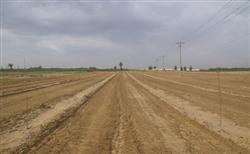
For planting Corydalis yanhusuo, it is advisable to choose sandy loam soil with relatively high terrain and good drainage. Loose and fertile soil is more conducive to tuber expansion. At the same time, continuous cropping should be avoided, and the previous crop should preferably be a grass-family crop. When preparing the land, sufficient decomposed organic fertilizer should be applied as base fertilizer, and after deep plowing and harrowing level, beds should be made to facilitate later drainage and field operations.
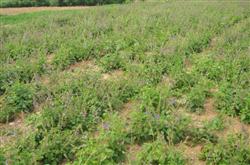
Corydalis yanhusuo is mostly propagated by tubers, generally planted after the weather turns cool in autumn. Fresh tubers of moderate size are selected as seed material, placed in furrows opened according to row spacing, and then covered with soil. In winter, appropriate covering can be used to preserve moisture and help it overwinter. During the growing period, the soil should be kept moist but must not be waterlogged. After rain, trenches should be cleared in time for drainage, and fertilizer should be applied and weeds controlled reasonably according to growth conditions.
In field management, emphasis should be placed on preventing common diseases such as downy mildew. Diseased plants should be dealt with promptly and controlled in combination with pesticides. At the same time, attention should be paid to preventing underground pests such as cutworms. When the aboveground parts wither at the turn of spring and summer, the tubers can be dug out. After washing, they are boiled in boiling water until thoroughly cooked, then sun-dried to become commercial medicinal material. Those that are large, plump, and have a bright yellow cross-section are considered best.
Related Reading