A Detailed Explanation of the Biological Characteristics of Panax notoginseng: A Full Analysis of Its Morphological Features and Growth Habits
Panax notoginseng is a perennial herb of the genus Panax in the family Araliaceae, and its dried roots and rhizomes can be used as medicine, making it one of the traditional precious medicinal materials of China. The so-called biological characteristics of Panax notoginseng mainly refer to the features it displays in plant morphology, growth and development patterns, and requirements for environmental conditions; understanding these characteristics is the basis for scientific cultivation.
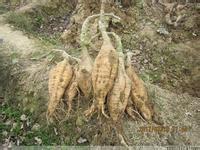
Morphologically, the main root of Panax notoginseng is fleshy and spindle-shaped, solid in texture, and its rhizome is relatively short. The aboveground stem is upright and single, unbranched, with several palmate compound leaves arranged in a whorl at the top of the stem, and each compound leaf usually bears three to seven leaflets. The leaflets are mostly elliptical, with finely serrated leaf margins. It flowers in summer and autumn. The inflorescence is a terminal umbel, the flowers are small and yellow-green, and the fruit is a berry-like drupe that turns red when mature.
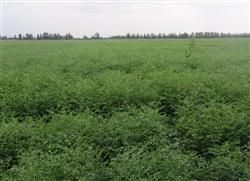
In terms of growth habits, Panax notoginseng is a typical shade-loving plant and fears direct strong light, so cultivation usually requires building a shed for shading. It prefers a warm and humid climate with warm winters and cool summers, tolerating neither severe cold nor high-temperature summer heat, and is mostly distributed in mountainous areas with a mild climate, mainly produced in Yunnan, Guangxi, and other places. For planting Panax notoginseng, it is advisable to choose loose-textured, well-drained, humus-rich, slightly acidic soil; sticky, waterlogged plots are not conducive to root growth.
Panax notoginseng has a relatively long growth cycle and generally needs about three years of growth before it can be dug up for medicinal use. During this period, field management requirements are relatively high, and shading, humidity control, and disease prevention are key links. In traditional Chinese medicine, its root has effects such as dispersing blood stasis and stopping bleeding, reducing swelling, and relieving pain, and it has high application value. For this reason, mastering the biological characteristics of Panax notoginseng is of great significance for reasonably arranging the planting environment and management measures.
Related Reading