Mastering the key technical points of Angelica sinensis cultivation is the foundation for growing high-quality Angelica sinensis
Angelica sinensis is a commonly used traditional Chinese medicinal herb, with its root used as medicine. It prefers a cool and humid climate and is afraid of high temperatures and direct strong light. It is mostly cultivated in mountainous areas at higher altitudes, and is mainly produced in Gansu, Yunnan, Sichuan and other places. Growing Angelica sinensis requires combining its growth habits, and proceeding step by step from land selection and seedling raising to field management.
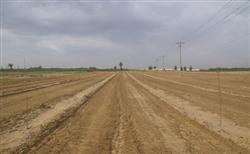
For land selection, it is best to choose sandy loam soil with deep soil layers, loose and fertile texture, and good drainage. The previous crop is best beans or wheat crops, and continuous cropping should be avoided. When preparing the land, plow the soil deeply and apply sufficient decomposed farmyard manure as base fertilizer, then form beds or ridges that facilitate drainage, creating good conditions for root growth.
Angelica sinensis is mostly propagated by raising seedlings from seeds and then transplanting. Before sowing, select plump seeds and carry out appropriate treatment. During the seedling stage, pay attention to shading and moisture retention, and thin out seedlings and weed in time. The grown seedlings can be stored over winter and transplanted in spring of the following year at a reasonable spacing between plants and rows. After transplanting, water promptly to promote recovery.
During the growing period, carry out intertillage and weeding well and apply topdressing at the right time. During the rainy season, pay attention to drainage to avoid water accumulation in the field causing root diseases. Common diseases include root rot and pitted scab disease, while insect pests are mainly aphids and cutworms. Integrated control can be carried out through crop rotation, soil disinfection and timely pesticide application.
In autumn, after the aboveground part withers, the roots can be dug out. After digging, remove the soil and fibrous roots, dry in the sun or in the shade, and store properly. The cultivation cycle of Angelica sinensis is relatively long, and whether management is meticulous directly affects root quality. Only by mastering the technical points of each stage can an ideal harvest be obtained.
Related Reading