Key Methods and Technical Points for Inoculating Edible Mushrooms
Inoculation of edible mushrooms refers to the process of transferring cultured pure spawn into a new growing substrate, and it is a key step in the artificial cultivation of edible mushrooms. Through inoculation, the mycelium can colonize and spread over the substrate, laying the foundation for subsequent mycelial growth and fruiting. The quality of inoculation directly affects the success of mycelial growth and the final yield.
In terms of the operating location, inoculation is often carried out in an inoculation box, a sterile room, or a laminar flow hood; according to spawn grade, it can also be divided into different forms such as mother culture transfer, stock spawn propagation, and cultivation spawn inoculation. No matter which method is used, the core principle is aseptic operation. Before inoculation, the site and tools must be thoroughly disinfected. During operation, bottle mouths and tube mouths should be kept close to the sterile zone near the flame, and movements should be quick and steady to minimize the time the substrate is exposed to the air.
A common cause of failure after inoculation is contamination by unwanted microorganisms, with green mold, black spots, and similar problems appearing on the substrate, often related to inadequate disinfection, improper operation, or the spawn itself carrying contaminants. To reduce the contamination rate, pure and vigorous spawn should be selected, disinfection procedures should be strictly followed, the inoculation environment should be kept clean, and the temperature and humidity of the culture room should be well controlled.
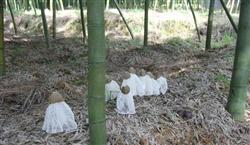
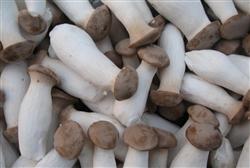
In addition, different mushroom species have different requirements for substrate moisture content, pH, and seasonal scheduling at the time of inoculation. For example, king oyster mushroom, bamboo fungus, and other varieties each have suitable substrate formulas. Before actual operation, growers should arrange the inoculation plan according to the cultivation characteristics of the specific variety, which will lead to a higher success rate of mycelial growth.
Related Reading