Key Points and Detailed Operation Methods of Oyster Mushroom Cultivation Inoculation Technology
Inoculation is a key step in oyster mushroom cultivation; it refers to the process of introducing cultivated spawn into the growing substrate so that the mycelium germinates and grows within it. The quality of inoculation directly affects the mycelium survival rate and the uniformity of later fruiting, making it an important step that determines the success or failure of cultivation.
Before inoculation, the growing substrate must be properly processed. Commonly used raw materials include cottonseed hulls, corncobs, and sawdust, which need to be mixed evenly according to the formula and adjusted to the proper moisture content. After the substrate is bagged, it should be sterilized promptly or fully fermented. Once the substrate temperature drops to the appropriate range, inoculation should be carried out as soon as possible to prevent contaminant fungi from seizing the opportunity.
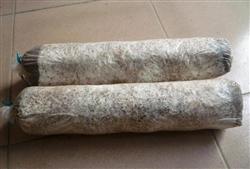
Inoculation methods include layer spawning, hole spawning, and mixed spawning, among others. Bag-cultivated oyster mushrooms mostly use two-end inoculation or layered spawning. During operation, movements should be quick, the spawn needs to be broken up and spread evenly, and appropriately increasing the inoculation amount helps the mycelium colonize the substrate surface as quickly as possible. The entire process should maintain a clean environment, and both tools and hands should be disinfected in advance.
After inoculation, move the spawn bags into a clean, dark, and well-ventilated culture room, with the temperature controlled within the range suitable for mycelial growth. During routine inspections, if signs of contaminant fungi such as green mold or black spots appear on the substrate surface, they should be promptly removed and handled to prevent spread. As long as the three key checks of substrate, spawn, and environment are well controlled, the inoculation success rate will increase noticeably.
Related Reading