Fungicides can control many diseases; their types and key application points need to be mastered
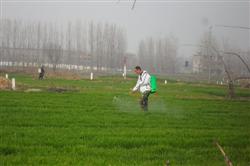
Fungicides are a class of pesticides used to control plant diseases, mainly targeting pathogenic microorganisms such as fungi and bacteria. By killing or inhibiting the growth and reproduction of pathogens, they protect the healthy growth of crops and are an indispensable part of the modern agricultural pest and disease control system.
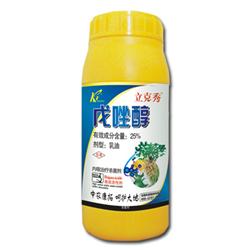
In terms of mode of action, fungicides are generally divided into two major categories: protective and curative. Protective fungicides are used before disease onset and can form a protective layer on the crop surface to prevent pathogen invasion; curative fungicides are used after pathogen invasion and can inhibit the development of the disease. By active ingredient, common types also include inorganic, organic and biological sources, among which Bordeaux mixture and carbendazim are varieties that farmers are quite familiar with.
Method matters when using fungicides. First, match the remedy to the disease: identify the type of disease before choosing a suitable product. Second, grasp the timing and concentration of application; too high a concentration easily causes phytotoxicity, while too low a concentration fails to achieve control. In addition, long-term single use of the same product easily leads to pathogen resistance, so it is recommended to rotate products with different mechanisms of action, while also paying attention to the pre-harvest interval to avoid pesticide residues exceeding standards.
Rational use of fungicides can not only reduce losses caused by diseases, but also help improve crop yield and quality. Combined with timely field management measures, such as removing diseased plants and strengthening ventilation to reduce humidity, the disease-prevention effect of fungicides can be further brought into play, laying the foundation for stable production and increased income.
Related Reading