Characteristics, Classification and Uses of Proso Millet: An Introduction to an Ancient Coarse Grain of the North
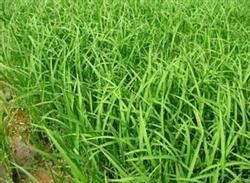
Proso millet is an annual grain crop of the grass family, commonly known as broomcorn millet. It has a long history of cultivation in northern China and is one of the oldest cultivated crops. It is mainly distributed in the arid and semi-arid regions of the northwest and north China; northern Shaanxi, eastern Gansu, Inner Mongolia and other places all have traditional growing practices, and it is an important coarse grain crop in these areas.
The most prominent characteristics of proso millet are its drought tolerance, tolerance of poor soils, and short growing period. It has low demands on soil and can grow normally even on plots with little rainfall and limited fertility, so it is often planted on land with limited heat and water resources, and it is also a common crop for replanting and double cropping after a disaster.
According to the stickiness of the grain, proso millet is generally divided into two types: soft proso millet and hard proso millet. Soft proso millet is highly sticky; after being ground into flour it can be made into traditional foods such as fried oil cakes and nian gao (glutinous rice cakes), and it can also be used to brew yellow rice wine. Hard proso millet is less sticky; after hulling it is called yellow rice, and it is often used to cook rice or make porridge, serving as one of the staple foods in some areas. In addition, the straw of proso millet is soft and can also be used as roughage for livestock.
In terms of cultivation, proso millet is mostly sown in late spring and early summer. The sowing window is fairly flexible and management is relatively extensive; the key tasks are thinning and establishing the stand, inter-row cultivation and weeding, and controlling soil-dwelling pests. It should be noted that proso millet is not the same as foxtail millet: after hulling, foxtail millet becomes small millet (xiaomi), while after hulling, proso millet becomes yellow rice. The two differ in both taste and use, and they should be distinguished when purchasing and processing.
Related Reading