Identification and Control Methods for Chrysanthemum Cercospora Leaf Spot
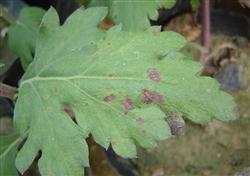
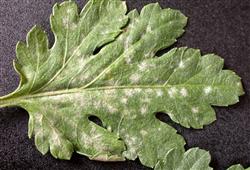
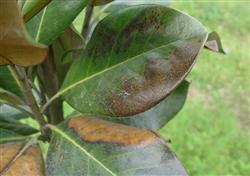
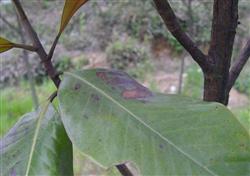
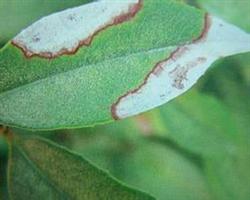
Chrysanthemum Cercospora leaf spot is a common fungal leaf disease during the growth period of chrysanthemums, caused by infection with the fungus Pseudocercospora. It mainly damages the leaves. The disease usually starts on the older leaves in the middle and lower parts of the plant. In the early stage, small purplish-brown or yellowish-brown spots appear on the leaf surface, which then gradually expand into round or irregular brown lesions with clear edges, often surrounded by a light yellow halo. When humidity is high, a grayish-black mold layer can be seen on the underside of the lesions. In severe cases, the leaves wither and drop from the bottom upward, weakening the plant's vigor and also affecting the quality of flowering.
The pathogen mainly overwinters in diseased plant debris or in the soil in the field. When conditions are suitable the following year, it spreads via wind and rain and splashing water during watering, invading through leaf stomata or wounds. Plots with high temperatures and frequent rain, overly dense planting, poor ventilation and light penetration, or excessive nitrogen fertilizer application tend to be more severely affected. Continuous cropping plots accumulate more sources of inoculum and are also more prone to epidemics.
For control, agricultural measures should be combined with chemical control. During the growing period, remove diseased leaves promptly; after harvest, clear diseased plant debris from the field and dispose of it in a centralized manner to reduce overwintering inoculum. Plant at a reasonable density and maintain ventilation and light penetration between plants. When watering, avoid flooding and splashing the leaves to reduce field humidity. In fertilization, control the amount of nitrogen fertilizer and appropriately increase phosphorus and potassium fertilizer to enhance the plant's disease resistance. Where conditions permit, rotate with other crops to reduce the disease pressure caused by continuous cropping.
For chemical control, seize the early stage of disease onset. Fungicides such as chlorothalonil, mancozeb, or carbendazim can be selected for spraying, focusing on the middle and lower leaves and the surrounding ground, spraying two or three times at intervals of seven to ten days. Be sure to rotate the chemicals to delay the development of resistance. In normal times, combine with field inspections, and promptly remove and dispose of scattered diseased leaves for better control results.
Related Reading