Common chrysanthemum pests and diseases require scientific identification and timely control
During their growth, chrysanthemums are easily troubled by a variety of pests and diseases, especially in environments with high temperature and high humidity or poor ventilation, where diseases and insect pests often occur at the same time. Common diseases mainly include powdery mildew, black spot, root rot and viral disease, while common insect pests are mostly aphids, red spider mites, whiteflies and leafminers. Understanding how these pests and diseases occur is the first step in doing a good job of prevention and control.
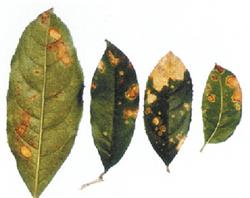
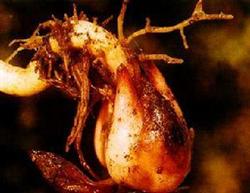
As for diseases, powdery mildew mostly forms a white powdery mold layer on the leaf surface, while black spot appears as brown or black spots on the leaves, and in severe cases the leaves turn yellow and drop off. Root rot is often caused by overwatering and waterlogged soil, with the roots turning black and rotting and the above-ground parts then wilting. Viral diseases are mostly spread by aphids and other vectors, showing as mosaic patterns, deformities and stunted plants.
As for insect pests, aphids often gather on tender shoots and flower buds to suck sap, causing new leaves to curl and become deformed, and they also spread viruses. Red spider mites reproduce quickly in dry environments, and affected leaves develop small yellow-white spots. Whiteflies and leafminers also affect the normal growth of chrysanthemums to varying degrees, so daily observation is needed.
For control, prevention should be the main approach, using a combination of methods. Normally, keep the growing environment well ventilated and with good light, water reasonably, avoid the potting soil staying wet for long periods, and promptly remove diseased leaves and plant debris and dispose of them in a centralized way. When only a small number of pests are found, they can be removed by hand or washed off with clean water; when the number of pests is larger, then apply targeted pesticides by spraying, taking care to rotate the chemicals to delay resistance.
It should be noted that when applying pesticides, avoid the full-bloom period and the hottest part of the day, and strictly follow the instructions for use. As long as daily management is careful and problems are found and dealt with early, most common chrysanthemum pests and diseases can be effectively controlled, thus ensuring plant health and flower quality.
Related Reading