Reasons Why Osmanthus Trees Don't Bloom and How to Fix Them
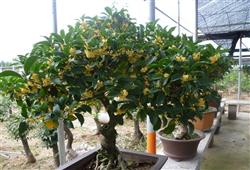
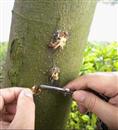
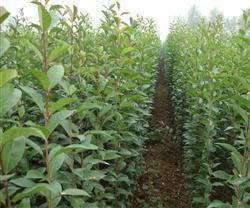
An osmanthus (sweet olive) tree failing to bloom is a fairly common occurrence during care, and it is usually related to tree age, light, nutrients and day-to-day management. Osmanthus generally needs to grow for several years before it reaches its normal blooming period; seedling-grown plants bloom later, while grafted plants tend to bloom somewhat earlier, so a lack of flowers during the young tree stage is mostly normal and there is no need to worry too much.
Insufficient light is one of the important causes of an osmanthus tree not blooming. Osmanthus is a light-loving plant, and if it is kept in a dark corner for a long time or shaded by tall objects, the branches tend to grow leggy and it becomes difficult for flower buds to form. Try to place it in an environment with ample light and good ventilation, and with potted osmanthus in particular pay attention to the choice of position.
Improper nutrient and water management can also affect blooming. Applying too much nitrogen fertilizer easily causes excessive growth of branches and leaves, which is not conducive to flower bud differentiation, so in the mid-to-late growth stage you can appropriately increase phosphorus and potassium fertilizer to promote flower bud formation. Watering too frequently and keeping the potting soil wet for long periods will weaken the tree's vigor, and moderate water control can sometimes actually help encourage blooming.
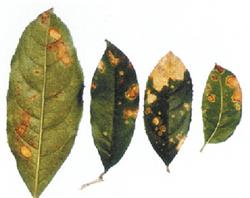
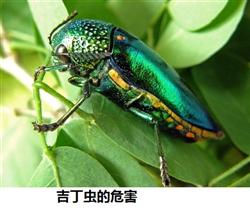
Improper pruning is likewise a common cause; the flowering branches of osmanthus are mostly robust branches, and excessive heavy pruning or frequent cutting back can easily remove branches that bear flower buds. In addition, soil compaction, alkalization or infestation by pests and diseases will weaken the plant's growth and prevent it from blooming. In daily care, pay attention to loosening the soil and repotting, and to preventing and controlling pests and diseases; after a period of careful care, most plants can gradually resume blooming.
Related Reading