Key Points of Xinlimei Radish Cultivation Techniques and Field Management Methods
Xinlimei is a local variety of radish, with a green outer skin and bright purplish-red flesh, which is how it got its name. It is crisp, sweet and juicy, suitable for eating raw, serving as a cold salad or using as a side dish, and is a traditional radish variety commonly seen in northern China. Mastering scientific cultivation techniques is very helpful for improving the quality and yield of Xinlimei.
For planting Xinlimei, it is advisable to choose sandy loam soil that is deep, loose and fertile with good drainage, and to avoid continuous cropping with cruciferous crops. Xinlimei prefers a cool climate, and is generally direct-sown in the open field in late summer and early autumn, so that the fleshy root enlargement period falls in a cooler season, which is conducive to sugar accumulation. Before sowing, apply sufficient base fertilizer and prepare the soil and make beds carefully.
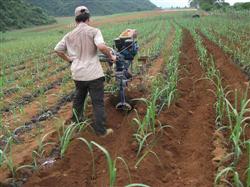
After emergence, thin and then final-thin the seedlings in time, maintain a reasonable plant and row spacing, and leave enough growing space for the fleshy roots. Field management centers on regulating water and fertilizer; during the fleshy root enlargement period, the soil should be kept moist, avoiding alternating dry and wet conditions that cause root cracking or pithiness. Topdressing should mainly use nitrogen and potassium fertilizers, combined with intertillage loosening of the soil and appropriate hilling, while also paying attention to controlling common pests and diseases such as aphids, cabbage caterpillars, soft rot and downy mildew.
After Xinlimei matures, it should be harvested in time; harvesting too late easily leads to pithiness, affecting taste and market quality. After harvest, it can be stored in cellars or in sand to extend the supply period. Overall, Xinlimei cultivation techniques are not complicated; by focusing on the key links of soil preparation, water and fertilizer management, and pest and disease control, you can grow Xinlimei radishes of fairly good quality.
Related Reading