A Detailed Guide to Pak Choi Planting Techniques and Field Management Methods
Pak choi is a common leafy vegetable of the genus Brassica in the family Brassicaceae, also known as non-heading Chinese cabbage or green cabbage. It has a short growing period and strong adaptability, and usually takes only about one month from sowing to harvest, making it a vegetable commonly grown by many farmers and home gardeners. It prefers a cool and humid climate, and open-field planting is most suitable in spring and autumn. During the high-temperature period in summer, production can continue by shading and cooling, and in winter it can also be cultivated in warm regions or under protective structures.
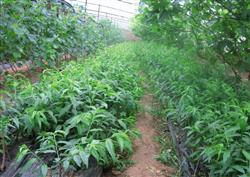
When planting, choose a loose, fertile plot with good drainage. After the previous crop is harvested, plow deeply and sun the soil, and apply plenty of decomposed organic fertilizer as a base fertilizer when preparing the land. Pak choi is mostly direct-sown; scatter the seeds evenly or sow them in rows, then cover with a thin layer of soil and keep the soil moist, and seedlings will emerge within a few days. After emergence, thin and set the seedlings in time to avoid crowding of young plants causing spindly growth.
For management, keep the soil alternating between dry and moist, water frequently but lightly, and avoid flood irrigation that can cause root rot. Topdressing should be mainly nitrogen fertilizer, applied little and often together with watering, which can effectively promote thick, tender-green leaves. During the growing period, also pay attention to hoeing and weeding, and keep the field ventilated and well lit to reduce the occurrence of diseases.
Common pests of pak choi include aphids, cabbage caterpillars, flea beetles, and others. In daily care, prevention can be achieved by clearing residual plant debris and fallen leaves in the field and covering with insect-proof nets. When pests are found, take corresponding measures promptly to control them. When the leaves have fully grown and the plants are still tender and green, they can be harvested in batches. Harvesting too late makes them prone to bolting and aging, and the taste drops noticeably. Master the links of sowing, water and fertilizer, and harvesting, and growing high-quality pak choi is not difficult.
Related Reading