Detailed Guide to Eggplant Cultivation Techniques: From Seed Selection to Field Management
Eggplant cultivation techniques refer to a complete set of growing methods covering eggplant from seed selection, seedling raising and transplanting to field management and harvesting. Eggplant likes warmth and fears frost, has a relatively long growing period and has high requirements for water and fertilizer conditions. Only by mastering the key technical points of each stage can you harvest fruit of good quality and stable yield.
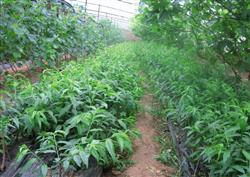
When raising seedlings, seeds are generally soaked and pre-germinated first, so that seedlings emerge more uniformly. The seedbed should be kept warm and moist. When the seedlings have grown two or three true leaves, they are pricked out and transplanted, to cultivate strong seedlings with thick stems and dark green leaves. For transplanting, choose a plot with deep soil and good drainage, apply sufficient base fertilizer, and then plant at a reasonable spacing between plants and rows. At the same time, avoid continuous cropping with crops of the same family, so as to reduce the occurrence of soil-borne diseases.
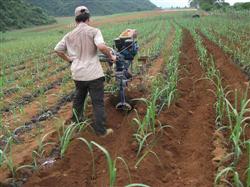
In terms of field management, after the seedlings have recovered, water can be appropriately controlled to promote deeper root growth; after the first fruit (the fruit on the main stem below the first branch) has set, water and fertilizer supply should be strengthened. During the peak fruiting period, keep moisture balanced to prevent flower and fruit drop or deformed fruit caused by alternating drought and wetness. During the growing period, carry out hilling in combination with intertillage, and promptly remove the lower old leaves and diseased leaves to improve ventilation and light conditions. Side branches below the first fruit can be appropriately removed so that nutrients are concentrated in supplying the main fruiting branches.
Common problems include diseases such as Phytophthora fruit rot, brown spot disease and Verticillium wilt, as well as pests such as red spider mites. For control, agricultural measures such as crop rotation, cleaning the field and selecting disease-resistant varieties should be the main approach, with pesticide control used when necessary. Harvesting should be carried out when the fruit is fully swollen, bright in color and the flesh has not yet become old; harvesting too late will harden the skin and affect the taste. By mastering these key points, eggplant cultivation is more likely to achieve a good harvest.
Related Reading