Detailed Guide to Growing Bok Choy: Mastering Management Points from Sowing to Harvest
Bok choy is a common leafy vegetable in China, with a short growth cycle and strong adaptability. It can be planted for most of the year in most regions, making it a frequent choice for many farmers and home gardens. Mastering scientific bok choy growing techniques directly helps improve germination rates and quality.
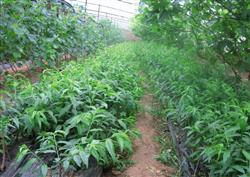
The first step in growing bok choy is proper soil preparation. Choose a plot with loose soil and convenient drainage and irrigation, deep plow it, apply plenty of decomposed organic fertilizer as a base fertilizer, then rake it level and form beds. Sowing is mostly done by broadcasting or drilling in rows. After sowing, cover with a thin layer of soil and keep the soil moist; with suitable temperatures, seedlings emerge within a few days. After emergence, check for and fill gaps promptly, and thin out overly dense weak seedlings so the young plants have enough room to grow.
Water and fertilizer management is key to healthy bok choy growth. Bok choy likes fertilizer and water. During the growing period, keep the soil alternately dry and moist, and avoid prolonged waterlogging, which can cause root rot. Topdressing should mainly be nitrogen fertilizer. After thinning, apply a light dressing combined with watering, and apply an appropriate additional dressing before harvest according to growth. Be careful not to make the fertilizer concentration too high, to avoid burning the seedlings.
Common pests of bok choy include cabbage caterpillars and aphids. They can be controlled through integrated methods such as clearing crop residues from the field, reasonable crop rotation, and installing insect-proof nets. If the infestation is severe, then choose targeted pesticides. When the leaves are thick and the plants reach commercial maturity, they can be harvested in batches. Harvesting is best done in the early morning to maintain a fresh and tender taste.
Related Reading