Edamame Growing Techniques Explained: Management Essentials from Seed Selection to Harvest
Edamame is the fresh, tender pod of the soybean (Glycine max) harvested at the seed-filling stage. Rich in plant protein and a range of amino acids, it is a common vegetable on summer and autumn tables. It has a short growing period and strong adaptability; from sowing to harvesting fresh pods usually takes about two to three months, and its management is relatively labor-saving, making it suitable for staggered planting in various regions.
By growth period, edamame can be divided into early-maturing, mid-maturing and late-maturing types. Early-maturing varieties come to market sooner and are good for catching an early market; mid- and late-maturing varieties have larger pods and fuller beans, with better yield potential. When choosing seed, you should decide based on the local climate, sowing season and consumer habits: for spring sowing, choose early-maturing varieties with relatively good cold tolerance; for summer and autumn sowing, choose mid- and late-maturing varieties with a slightly longer growth period.
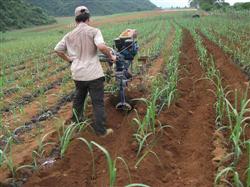
For growing edamame, choose a plot with convenient drainage and irrigation and deep soil. Before sowing, apply sufficient base fertilizer, mainly decomposed organic fertilizer combined with an appropriate amount of phosphorus and potassium fertilizer; nitrogen fertilizer should not be excessive, to avoid excessive vegetative growth of stems and leaves. After emergence, thin and set the seedlings in good time, check the seedlings and fill in gaps; the flowering and pod-setting stage requires more water, so water promptly in drought, pay attention to drainage after rain to prevent waterlogging, and combine with intertillage and earthing up to prevent lodging.
Harvest timing has a great influence on edamame quality. Generally, harvest when the pods are plump and the beans bulge but the color is still emerald green; harvesting too early gives low yield, while harvesting too late makes the beans hard and the taste poorer. During the growing period, also watch out for pests such as aphids and pod borers; you can reduce sources of pests and diseases through crop rotation and clearing crop residues from the field, and stop applying pesticides before harvest to ensure the safety of the fresh pods for eating.
Related Reading