Key points of cabbage cultivation techniques include raising seedlings for transplanting and field management
Cabbage is an important vegetable of the genus Brassica in the family Brassicaceae. What people commonly call round cabbage, bao cai, or juan xin cai mostly refers to the head-forming cabbage (Brassica oleracea var. capitata). It has broad adaptability, tolerates cold and stores and ships well, and its leaves wrap around one another layer by layer to form a firm head. It is a major vegetable widely cultivated across the country.
There are quite a few types of cabbage. By head color, they can be divided into ordinary green cabbage and purple cabbage; by maturity period, there are early-maturing, mid-maturing, and late-maturing types. In addition, there are close relatives in the same genus such as Brussels sprouts, kale, and kohlrabi. When planting, you can choose varieties according to the local climate and consumer habits. Generally, early-maturing varieties are suitable for early spring cultivation, while late-maturing varieties are more tolerant of storage and transport.
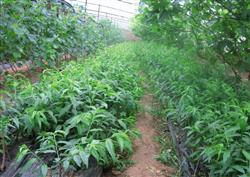
Cabbage is mostly grown by raising seedlings and then transplanting. First sow the seeds in a seedbed or plug tray to grow strong seedlings, and after the seedlings have grown enough leaves, transplant them into the field. Before transplanting, apply plenty of decomposed organic fertilizer as a base fertilizer, plow deeply, prepare the soil, make beds, and plant at a reasonable density. After the seedlings recover, during the rosette stage, water and fertilizer supply should be strengthened. The head-forming stage has a high water requirement, so keep the soil moist and apply additional fertilizer appropriately, which helps the head wrap tightly.
During the cabbage growing period, common pests include cabbage caterpillars, diamondback moths, and aphids. As for diseases, watch out for soft rot, downy mildew, and black rot. Usually pay attention to ventilation and reducing humidity, promptly remove diseased plants and plant residues, and once problems are found, apply targeted pesticides for control. Some farmers encounter loose heads or bolting before maturity, which is mostly related to improper sowing date arrangements and low temperatures experienced during the seedling stage. Reasonably arranging the sowing period can effectively reduce this. Master these technical steps, and cabbage cultivation can achieve a relatively good harvest.
Related Reading