Key Points of Asparagus Bean Cultivation Techniques: Site Selection, Sowing and Field Management Methods
Asparagus beans are common leguminous vegetables; common types include yardlong beans, green beans and so on. They prefer a warm climate and are not tolerant of frost, so they are generally sown in spring after the temperature has steadily risen. Before planting, it is advisable to choose a plot with higher elevation, good drainage and loose soil, and to avoid continuous cropping as much as possible in order to reduce the occurrence of soil-borne diseases.
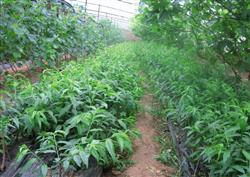
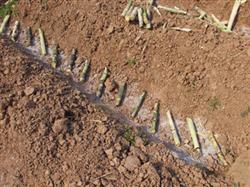
Sowing methods fall into two types: direct sowing and raising seedlings for transplanting, of which direct sowing is more commonly used. You can open holes at a suitable plant and row spacing, place two or three seeds in each hole, and cover with soil that is not too deep. After emergence, check the seedlings and fill in gaps promptly. During the seedling stage, control moisture appropriately to prevent excessive vegetative growth, while in the rainy season attention should be paid to drainage and waterlogging prevention.
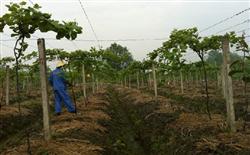
For vining varieties, once the plants begin to send out vines, trellises should be set up promptly to guide the vines. The A-frame trellis commonly used in production is fairly widespread. Guiding the vines is best done in the afternoon when the stems and vines are soft, so as to avoid breaking the tender stems. The flowering and pod-setting stage is the peak period of water and nutrient demand, so appropriate topdressing can be applied according to growth conditions to keep the soil moist, but flood irrigation should be avoided to prevent flower and pod drop.
Common diseases of asparagus beans include rust and leaf spot, while aphids and pod borers are the more commonly seen pests. For control, agricultural measures should be the main approach, combined with rational crop rotation and cleaning up the field, and targeted pesticides should be selected only when necessary. Harvesting should be timely, generally when the pods are plump and the seeds have not yet visibly bulged; harvesting too late increases fiber and lowers both taste and quality.
Related Reading