Detailed Explanation of Winter Melon Cultivation Techniques: Scientific Management Is the Key to a Bountiful Harvest
Winter melon cultivation techniques refer to the cultivation and management methods covering the entire process of winter melon from site selection and sowing to harvest. Winter melon likes warmth and tolerates heat, has a relatively long growing period, and has a relatively high demand for water and fertilizer, so its management requires more care and attention than that of ordinary leafy vegetables. Only by mastering the technical key points of each stage can the fruit be large and uniform, with both quality and yield guaranteed.
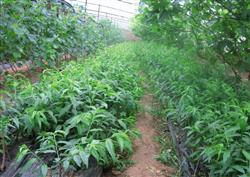
For planting winter melon, it is advisable to choose a plot with deep soil, good drainage, and sufficient sunlight, and the previous crop should preferably not be a cucurbit crop, so as to reduce the obstacles caused by continuous cropping. Before sowing, the seeds can be sun-dried, soaked, and pre-germinated, and after the sprout tip shows white, they are sown into a seedbed or nutrient pots for seedling raising. Once the seedlings are growing vigorously and the weather has steadily warmed up, they can be transplanted and set out, taking care to maintain a reasonable plant and row spacing to avoid excessive density that affects ventilation and light penetration.
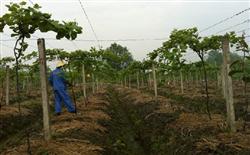
Field management is the core link in winter melon cultivation. Winter melon has strong vining growth, and generally needs trellising or vine pressing and training, with side vines and lower old leaves promptly removed so that nutrients are concentrated for the main vine to set fruit. Water and fertilizer management should follow the principle of light early and heavy later, with less application at the seedling stage and gradually increased supply after flowering and fruit setting, and during the fruit swelling stage, sufficient water must especially be ensured, while in the rainy season, timely drainage to prevent waterlogging is needed.
Common diseases of winter melon include Phytophthora blight, powdery mildew, and anthracnose, while the main pests are the melon webworm and aphids. In daily management, inspection should be strengthened, and diseased leaves and pest-infested plants should be promptly removed, with symptomatic pesticides selected for control when necessary. When the fuzz on the fruit surface diminishes and the waxy bloom on the skin becomes obvious, the winter melon is close to maturity and can be harvested in batches. Handle it gently during harvest and keep a short section of the fruit stalk, which is more conducive to storage and transport.
Related Reading