Key Points of Scallion Cultivation Techniques and Detailed Explanation of Water and Fertilizer Management Methods
Scallion is a perennial herbaceous plant of the genus Allium in the lily family (Liliaceae), and it is also a commonly used seasoning vegetable on Chinese dining tables. When planting scallions, flat terrain, good drainage, and loose soil are usually chosen, with fertile loam or sandy loam being most suitable. Scallions should not be continuously cropped; growing scallions on the same plot of land year after year can easily worsen pests and diseases, so rotation with non-allium crops is generally recommended.
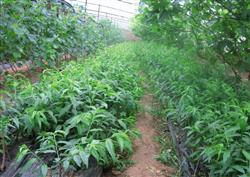
In terms of sowing and seedling raising, scallions are mostly grown by raising seedlings and then transplanting them. The seedbed requires careful soil preparation and sufficient basal fertilizer. After emergence, thinning should be done in time to keep the seedling spacing uniform and cultivate strong seedlings. When transplanting, furrows are opened according to the appropriate plant and row spacing, and the seedlings are planted at a depth that does not bury the scallion heart. After planting, water thoroughly to settle the soil, and keep the soil moist during the seedling recovery period.
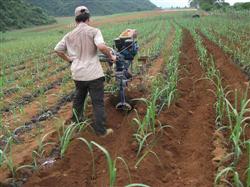
In field management, scallions like water and fertilizer but are afraid of waterlogging. Watering should be done frequently with small amounts, and after rain, drainage should be carried out promptly to prevent waterlogging. Topdressing is mainly nitrogen fertilizer, combined with phosphorus and potassium fertilizers applied in several rounds to promote the growth of the white pseudostem. Hilling soil is a key step in scallion cultivation; timely hilling in several rounds can soften the white pseudostem and improve quality, but care should be taken not to bury the heart leaves when hilling.
Common pests and diseases of scallions include downy mildew, purple blotch, onion thrips, and leafminers. Agricultural control should be the main approach, reducing sources of disease through rational rotation and removal of diseased plant residues, and targeted pesticides should be used for prevention and control when necessary. The harvest time can be arranged flexibly according to market conditions and the growth of the scallions, and proper drying after harvest is more conducive to storage.
Related Reading