Water Bamboo Cultivation Techniques: Water Level Management and Timely Harvesting Are Key
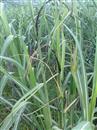
Water bamboo (Zizania latifolia) is a common aquatic vegetable in China. The edible part is the fleshy stem formed when the stem is parasitized by the water bamboo smut fungus and swells; it has a crisp, tender and sweet taste, and is mostly cultivated in shallow paddy fields or low-lying waterlogged land. According to the harvest season, it can be divided into two major types: single-season water bamboo and double-season water bamboo. Double-season water bamboo can be harvested twice a year, while single-season water bamboo is mainly harvested in autumn.
For planting water bamboo, shallow paddy fields with deep soil layers, fertile soil and convenient water sources are generally chosen, and sufficient organic fertilizer is applied as base fertilizer. Water bamboo mainly propagates by dividing the clumps. Before planting, dig up the old water bamboo clumps and divide them into small clumps. Each planting clump retains several tiller seedlings, which are then planted in the field at a reasonable row spacing and plant spacing. Keeping a shallow water layer in the early stage helps the seedlings survive and grow.
Water level management is a key part of water bamboo cultivation. During the tillering stage, keep the water shallow to promote tiller growth; after entering the stage when the edible stem begins to form, gradually deepen the water layer so that the water bamboo flesh softens and turns white in the water, but the water depth should not cover the water bamboo leaf eye. As for fertilizer, in addition to base fertilizer, timely topdressing should also be done during the tillering stage and the stage when the edible stem begins to form. In the middle and late growth stages, pay attention to stripping off yellow and old leaves to improve ventilation and light penetration in the field.
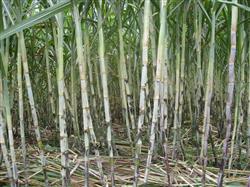
When harvesting, observe whether the central leaves of the water bamboo have contracted and whether the leaf sheaths have turned white, and harvest at the right time. If harvesting is too late, the flesh tends to become old, and gray water bamboo may also appear. If male plants that do not form water bamboo or gray water bamboo plants with blackened flesh are found in the field, they should be removed promptly. When saving seeds, select water bamboo clumps that bear uniformly and have good quality, so that a better harvest can be obtained the following year.
Related Reading