Which medicinal herbs are most profitable to grow? Choosing the right varieties and sales channels is key
Which medicinal herbs are most profitable to grow is a question many farmers and entrepreneurs care about. Strictly speaking, there is no variety of medicinal herb cultivation that is guaranteed to profit without risk; the level of returns mainly depends on the combined effect of variety selection, local natural conditions, cultivation techniques and market conditions. The so-called most profitable is often just a high price brought about by a supply-demand imbalance at a certain stage, and blindly following the trend can easily lead to pitfalls.
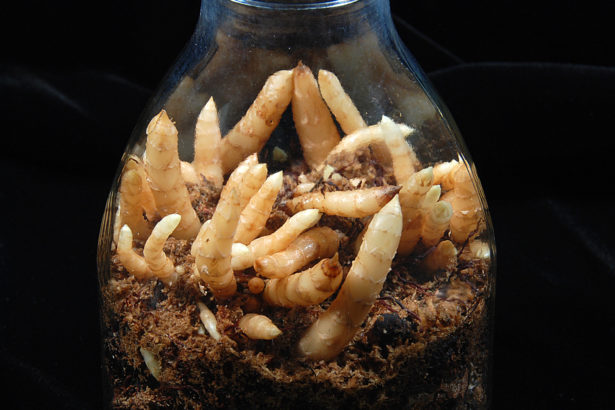
From common situations, the varieties with relatively high returns are generally those with a long growth cycle, scarce wild resources and high management requirements, such as the precious medicinal herbs Gastrodia elata (tianma), Paris polyphylla (chonglou) and Bletilla striata (baiji). Bulk medicinal herbs such as honeysuckle, Astragalus membranaceus (huangqi), Salvia miltiorrhiza (danshen) and Isatis indigotica (banlangen) have strong adaptability and relatively stable demand, making them more suitable for large-scale operations. When choosing, priority should be given to species that match the local climate and soil; adapting to local conditions is more important than blindly chasing high-priced varieties.
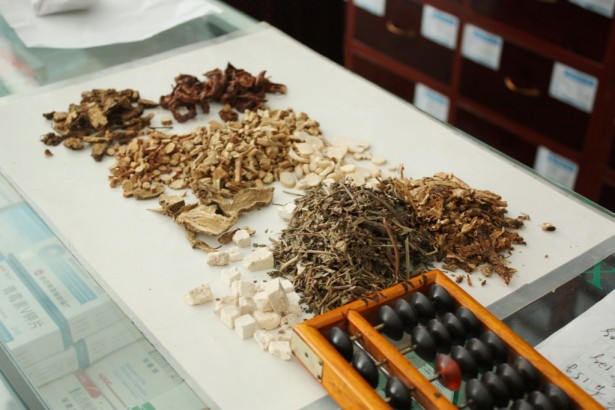
In addition to choosing varieties, sales channels and quality also determine returns. Traditional Chinese medicinal materials have strict quality standards, and only products grown in a standardised way and harvested and processed according to procedures are easy to sell at a good price. The market phenomena of passing off inferior goods as good ones and adulterating or mixing in fakes also remind growers that whether channels are legitimate or not directly affects returns. Connecting in advance with pharmaceutical companies, medicinal material markets or buyers is more reliable than finding buyers after growing the crop.
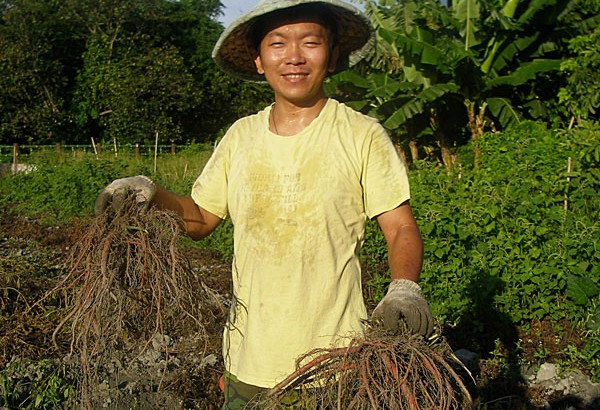
For beginners, it is recommended to first trial-plant on a small area, and only gradually expand the scale after understanding the key technical points and local purchasing conditions. At the same time, attention can be paid to policy trends such as medicine-food homology and standardised cultivation of traditional Chinese medicinal materials, which may bring new market opportunities. Treating hype about huge profits rationally and viewing medicinal herb cultivation as an agricultural project requiring long-term operation and learning is a more reliable way of thinking.
Related reading