Premium Chinese medicinal leech is being faked! Scholar surveys 200 Chinese medicine shops, and 30% of the counterfeit goods resemble Indonesian snacks
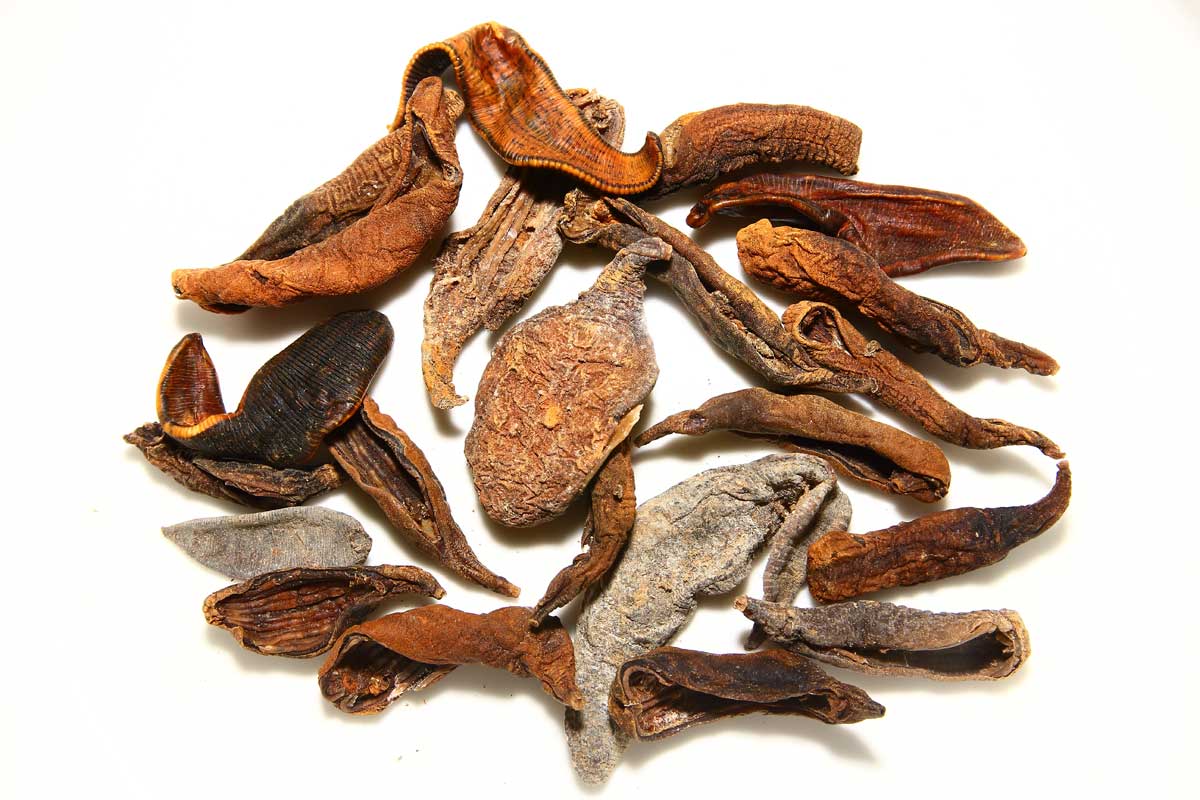
Leeches are an expensive Chinese medicinal material used to invigorate blood and dissolve stasis, and news has broken that counterfeit products have appeared! According to domestic biology PhD Lai Yi-te, who conducted visits around Taiwan and carried out identification in the laboratory, the biological species of the counterfeit products are completely unrelated to leeches. It is unknown whether they possess the therapeutic effects that leeches should have, yet they are circulating in Chinese medicine shops across Taiwan, and some Chinese medicine practitioners have even used them in prescriptions without noticing.
This medicinal material, leeches, costs NT$3,000 to NT$5,000 per jin, or even more. The circulation of counterfeit products may not only affect human health but also involve illegal fraud. Lai Yi-te has gathered complete evidence and called on the competent authorities to immediately and actively investigate.
However, more than a month has passed, and the inspection results from the Department of Chinese Medicine and Pharmacy have still not been released. When a reporter called to ask, specialist Huang Yen-hao replied that the sampled specimens had been sent to the Food and Drug Administration of the Ministry of Health and Welfare for testing, and were "still in line," with no results yet. Huang Yen-hao said the inspection targets included importers and pharmaceutical manufacturers, and it was not possible to disclose which ones. Based on preliminary appearance, only one sample "looked strange," while the rest should all be genuine.
This year's "Chinese Medicinal Material Identification Workshop" will begin on June 26. According to internal information, the Department of Chinese Medicine and Pharmacy has requested that the course content include methods for identifying leeches as an item.
Lai Yi-te believes that since the Department of Chinese Medicine and Pharmacy has made this request, it means they acknowledge the existence of counterfeit leeches. They should complete the sample testing as soon as possible, publish the results, and work with investigative authorities to trace the source of the counterfeit products, and should no longer tolerate illegal manufacturers.
He pointed out that the victims are not only ordinary small Chinese medicine shops but may also include large pharmaceutical manufacturers. Among scientific Chinese medicines, "Didang Tang" and "Dahuang Zhechong Wan" both contain leech powder, and currently there are 13 and 6 licenses respectively. If counterfeit products are mistakenly used, it could damage the reputation of these large pharmaceutical manufacturers.
The government should trace the source of the counterfeit products, and affected businesses can file lawsuits seeking compensation
Identifying counterfeit products with the naked eye is not difficult; they can be identified by the suckers and body segments. Lai Yi-te called on Chinese medicine practitioners who currently have leech medicinal material on hand to quickly check whether their goods are genuine or fake. If they have bought counterfeit products, they should find out who supplied the source and file a lawsuit against the upstream manufacturer seeking compensation.
Chinese medicine practitioner Zheng Hong-zu also believes that the government should strengthen inspections, including overseas inspection and customs, to ensure that what enters the country is genuine, so that physicians can use this medicinal material with confidence. Inspections of ordinary Chinese medicine shops should also be strengthened, so that innocent members of the public do not spend a lot of money only to become unwitting victims.