What Are Zongzi Leaves? Common Types of Zongzi Leaves and How to Choose Them
Zongzi leaves, commonly known as zongye, is the collective term for the leaves used to wrap zongzi, and it does not refer to the leaf of any one fixed plant. Because the leaves come into direct contact with the rice filling, they must withstand long steaming or boiling without easily tearing, and they must also carry a natural fresh fragrance, so the choices vary from region to region.
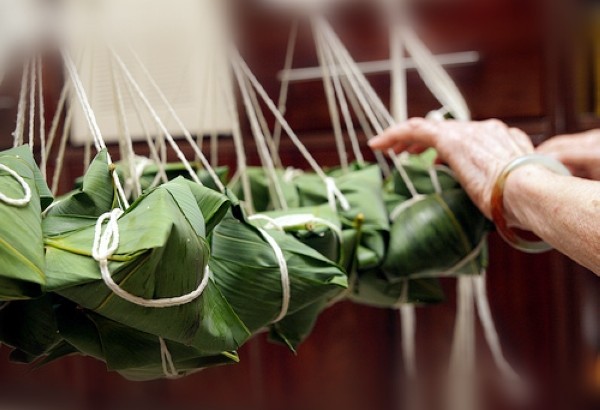
Common zongzi leaves include indocalamus leaves, reed leaves, lotus leaves, banana leaves, corn leaves and leaves (Phrynium leaves). Indocalamus leaves are more often seen in the south; the blades are broad and fairly tough, and the zongzi wrapped with them come out with crisp, distinct edges. Reed leaves are more commonly used in the north; they are long and narrow, and two or three usually need to be overlapped when used. Lotus leaves and banana leaves are large in area and suit big zongzi, while corn leaves are soft in texture and are also used to wrap zongzi in some regions.
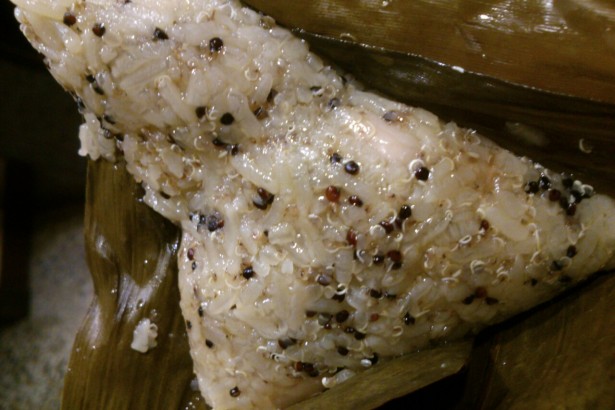
What zongzi leaves share is a plant fresh fragrance; as they steam or boil, the aroma slowly seeps into the glutinous rice, forming the distinctive flavor of zongzi. At the same time, the leaves have a certain toughness and breathability, and they can still stay intact after long boiling, so the zongzi do not fall apart or leak rice.
When choosing zongzi leaves, natural color, no off odor and no damage are best; leaves that are too bright green actually warrant extra caution. Before use, wash them one by one; fresh leaves only need to be softened in boiling water, while dried leaves need to be soaked in advance until they soften again, so they are less likely to split when wrapping.
Some people also worry whether yellowed zongzi leaves mean they have spoiled. In fact, it is normal for dried or stored zongzi leaves to take on a yellowish color, and as long as there is no moldy smell they can be used. When buying ready-made zongzi leaves, smelling the odor and looking at the appearance is the simplest way to judge them.
Related Reading