Traditional Chinese Medicine Herb Cultivation Technology Network Brings Together Practical Growing Knowledge from Seed Selection to Harvest
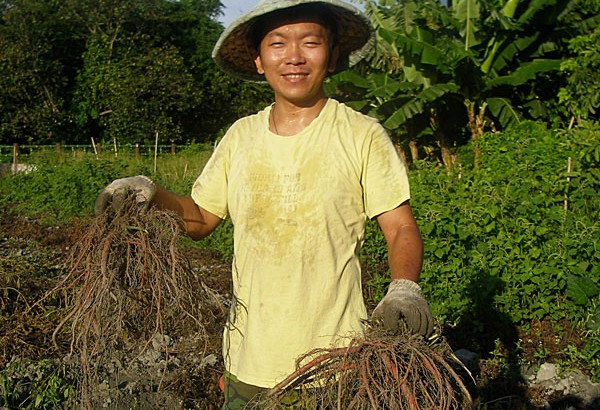
The Traditional Chinese Medicine Herb Cultivation Technology Network is an agricultural information platform focused on the field of medicinal herb cultivation, aimed mainly at herb growers, planting cooperatives and technical staff at agriculture-related enterprises. The site's content revolves around every stage of medicinal herbs, from site selection, breeding and field management to harvesting and processing, helping growers systematically understand the basic requirements of standardized cultivation.
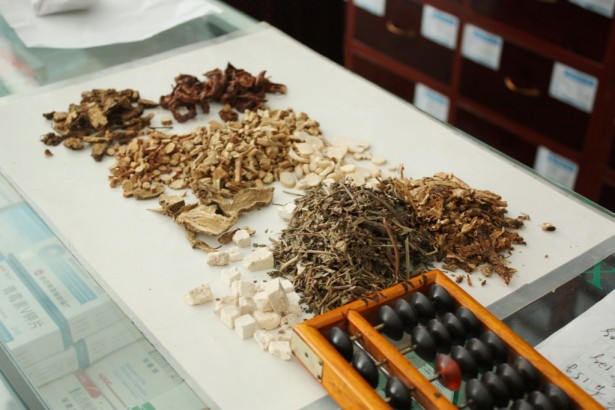
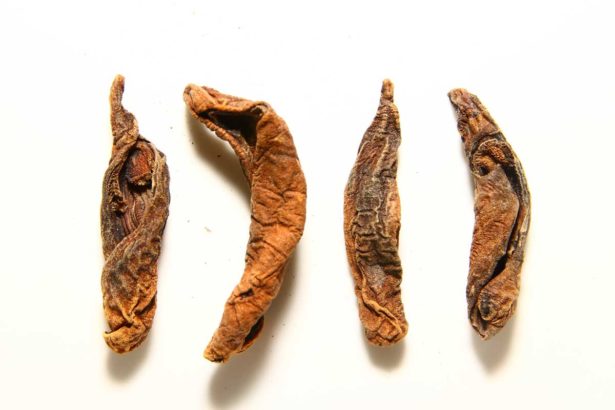
The platform's content usually covers sections such as introductions to common herb varieties, analysis of suitable growing environments, pest and disease control methods, and key points of origin processing. Medicinal herbs such as Gastrodia elata (tianma), Gardenia jasminoides (zhizi) and Platycodon grandiflorus (jiegeng) have high demands regarding altitude, soil and climate conditions, so the site generally combines the actual circumstances of different production areas to offer targeted cultivation advice and reduce losses caused by blindly introducing varieties.
As standardized cultivation of medicinal herbs advances, base construction, quality traceability and standardized production have gradually become key concerns of the industry. By compiling policy developments, industry standards and market information, cultivation technology websites provide growers with references for variety selection and production-sales matching, and also help raise the overall level of herb quality.
It should be noted that medicinal herb cultivation emphasizes regional authenticity, and the same variety can perform quite differently in different production areas. Growers should select varieties according to local natural conditions and verify information with local agricultural technology departments or official information platforms, avoiding credulous belief in exaggerated claims, thereby reducing cultivation risks and achieving stable returns.
Related Reading