What varieties of precious Chinese medicinal herbs are there in our country?
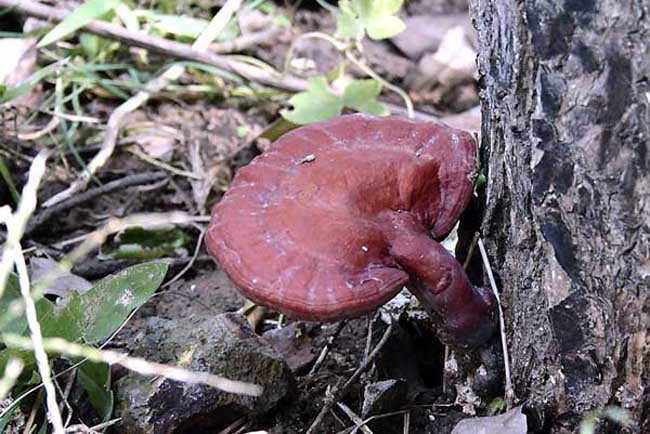
At present, there are mainly 38 common precious Chinese medicinal herbs in our country, namely ginseng, Korean ginseng, American ginseng, codonopsis, astragalus, rhodiola, reishi mushroom, snow lotus, angelica, fleeceflower root, longan aril, polygonatum, dendrobium, goji berry, gastrodia, eucommia, cornus, cordyceps, gecko, human placenta, velvet antler, deer antler glue, donkey-hide gelatin, tortoise shell glue, turtle shell glue, sea dragon, seahorse, dog kidney, bird's nest, Chinese forest frog, notoginseng, saffron, dragon's blood, musk, white-banded snake, antelope horn, cow bezoar, pearl.
Qi-tonifying Chinese medicinal herbs
Qi-tonifying medicines, also called qi-benefiting medicines, are medicines that can treat qi deficiency disorders. They have the effect of tonifying lung qi and benefiting spleen qi, and are suitable for disorders such as lung qi deficiency and spleen qi deficiency. Qi-tonifying medicines are also often used for blood deficiency disorders, because abundant qi can generate blood. Especially in cases of massive blood loss, qi-tonifying medicines must be used, because "tangible blood cannot be rapidly generated; intangible qi should be urgently secured." Therefore, clinically there is the treatment method of "tonifying qi to treat blood collapse."
Commonly used qi-tonifying medicines include ginseng, codonopsis, astragalus, atractylodes, licorice, and so on. In ancient times, to enhance their effects, people usually used these medicines as the main components to form qi-tonifying formulas, among which the representative formulas include Sijunzi Decoction, Shenling Baizhu Powder, Buzhong Yiqi Decoction, Yupingfeng Powder, Shengmai Powder, Renshen Gejie Powder, and so on.
Blood-tonifying Chinese medicinal herbs
Blood-tonifying medicines, also called blood-nourishing medicines, are medicines used to treat blood deficiency disorders. According to the five elements theory of traditional Chinese medicine, the heart is the child of the liver, and the liver is the child of the kidney. According to the principles that a deficiency should be treated by tonifying its mother and that yang generates and yin grows, during treatment, tonifying the heart often also tonifies the liver, and tonifying the liver often also nourishes the kidney. In cases where blood deficiency is relatively severe, medicines that tonify spleen and lung qi are also often added to blood-tonifying formulas.
The principles and methods of traditional Chinese medicine for treating blood deficiency mainly include strengthening the spleen and harmonizing the stomach, benefiting qi to generate blood, tonifying the kidney to generate blood, removing blood stasis to generate blood, and removing toxins to generate blood.
Commonly used blood-tonifying medicines include angelica, prepared rehmannia, white peony root, donkey-hide gelatin, goji berry, longan aril, and so on. In ancient times, people often used these medicines as the main medicines to form blood-tonifying formulas, among which the typical ones include Siwu Decoction, Danggui Buxue Decoction, Guipi Decoction, and so on.
Yin-tonifying Chinese medicinal herbs
Yin-nourishing medicines, also called yin-nurturing medicines or yin-tonifying medicines, are medicines that can treat yin deficiency disorders. They have effects such as nourishing kidney yin, tonifying lung yin, nourishing stomach yin, and benefiting liver yin, and are suitable for disorders such as insufficient kidney yin, weak lung yin, depleted stomach yin, and deficient liver yin.
Commonly used yin-tonifying medicines include dendrobium, cornus, tortoise shell, turtle shell, and so on. In ancient times, to enhance medicinal effects, people often used these medicines as the main medicines and formed them into formulas, among which the representative ones are Liuwei Dihuang Pill, Shihu Yeguang Pill, Bufei Ejiao Decoction, and so on.
Yang-tonifying Chinese medicinal herbs
All medicines that have a yang-tonifying effect and are used mainly to treat yang deficiency syndrome are called yang-tonifying medicines. Commonly used yang-tonifying medicines include cinnamon bark, deer antler glue, and so on. In ancient times, people often used these medicines as the main medicines to form formulas, among which the typical ones include Shenqi Pill, Yougui Pill, and so on.
In summary, according to the principle in traditional Chinese medicine theory that the deficient should be tonified, this section briefly introduces the current use of several precious medicinal herbs for the four major deficiency syndromes, so that consumers can better use these medicinal herbs. Next, let us take a look at what the prospects for Chinese medicinal herb cultivation are really like!
Medicinal and edible Chinese herbal medicines will be increasingly favored
As the human living environment and living standards continue to improve, the trend of returning to nature is growing stronger. The human medical model has gradually shifted from the original treatment-oriented type to a combination of prevention and treatment, and some Chinese herbal medicines with preventive and health-care functions will also gradually become favored. Experts analyze that the development of health foods and natural green foods will become an important component raw material of the golden health industry. Chinese herbal medicines positioned as health-care medicines and the natural Chinese herbal medicines announced by the National Ministry of Health as both medicinal and edible can be appropriately cultivated.
Medicinal and edible Chinese herbal medicines include apricot kernel, goji berry, sea buckthorn, coix seed, gorgon fruit, Chinese yam, poria, hawthorn, cassia seed, houttuynia, fleeceflower root, mulberry, jujube, scallion, garlic, platycodon, kudzu root, sword bean, lily, adzuki bean, fresh (dried) ginger, perilla, papaya, goji berry, lotus seed, Chinese torreya (Torreya grandis), Sichuan pepper, finger citron, ageratum (small), hyacinth bean (white), longan aril (guiyuan), peach kernel, black sesame, star anise, sour jujube seed, gardenia, licorice, bitter orange flower, monk fruit, cinnamon bark, radish seed, dried tangerine peel, amomum fruit, dark plum, nutmeg, angelica dahurica, chrysanthemum, ageratum, sea buckthorn, bush cherry seed, Chinese olive, macrostem onion, mint, clove, galangal, ginkgo, citron, hemp seed, mosla, safflower, perilla, yellow mustard seed, fresh imperata root, purslane, fresh reed root, dandelion, bitter cardamom, lophatherum, boat sterculia seed, honeysuckle, and so on. There are also some Chinese herbal medicines listed by the National Administration of Traditional Chinese Medicine in the recommended development "menu" of precious and scarce Chinese herbal medicines, such as saffron, gastrodia, astragalus, achyranthes, medicinal jujube, asarum, vitex fruit, alisma, dendrobium, belamcanda, dodder seed, bupleurum, lobelia, isatis root, tsaoko, dark plum, Chinese gall, eucommia, magnolia flower, phellodendron, biond magnolia flower, coptis, fritillary, homalomena, ginkgo, and other varieties, which can also be appropriately cultivated.